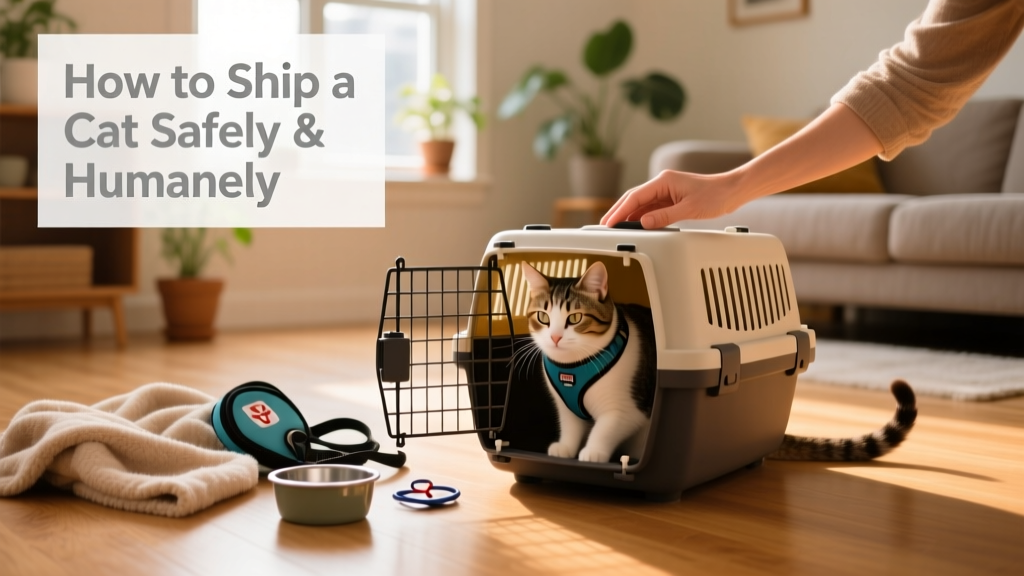
How to Ship a Cat Safely & Humanely: Preparations & Methods
Shipping a cat—whether for relocation, adoption, or rehoming—is a serious responsibility that demands careful planning, empathy, and attention to your cat’s physical and emotional well-being. Unlike dogs or other pets, cats are highly sensitive to environmental changes, noise, confinement, and unfamiliar people. Done right, shipping can be a low-stress experience; done poorly, it risks injury, anxiety, or even life-threatening complications.
Before You Begin: Key Considerations
First, ask yourself whether shipping is truly necessary—and if so, whether it’s the safest option for this cat. Kittens under 16 weeks, senior cats, or those with pre-existing health conditions (e.g., heart disease, respiratory issues, or severe anxiety) may not tolerate travel well. Always consult your veterinarian before making any arrangements. They can assess your cat’s fitness to fly or ride, recommend sedation (if appropriate), and advise on timing, documentation, and health precautions.
Also consider alternatives: driving together, hiring a trusted pet transport service, or coordinating a meet-up with the recipient. If air travel is unavoidable, choose a pet-friendly airline with established protocols—and avoid cargo holds whenever possible. Many carriers now offer in-cabin options for small cats traveling in approved carriers.
Essential Preparations
Start preparing at least 4–6 weeks ahead. This gives you time to complete health checks, gather paperwork, acclimate your cat to their carrier, and book services through a reputable provider like FurPetVo.
- Veterinary clearance: Schedule a full wellness exam. Your vet will issue a health certificate—valid for 10 days in most cases—and confirm vaccinations (especially rabies) are up to date.
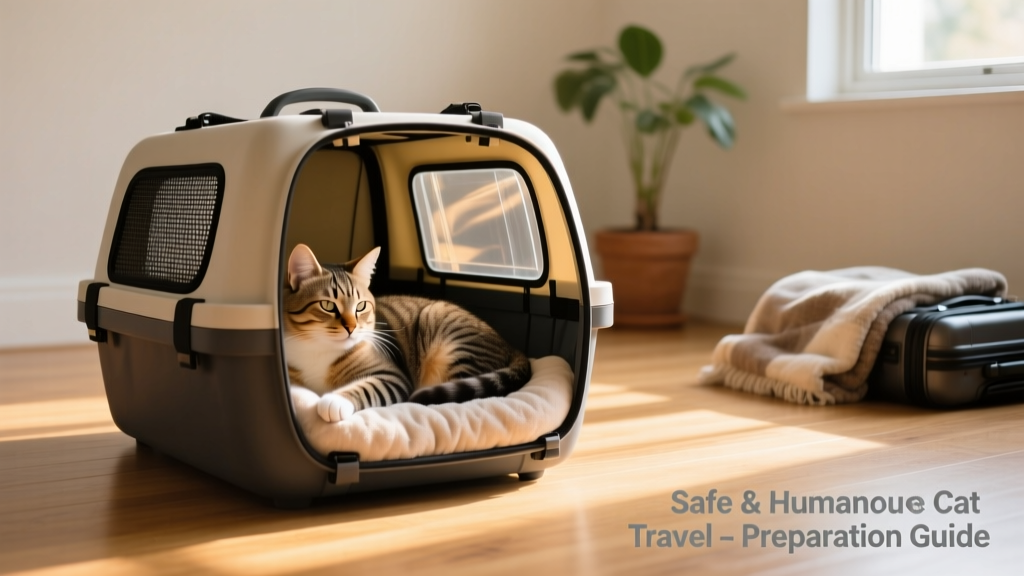
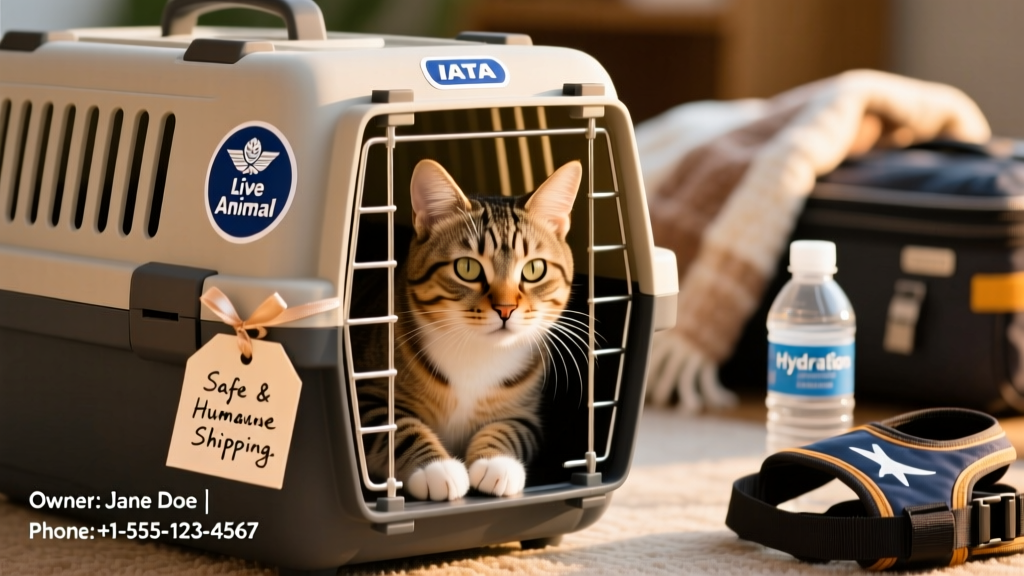
- Carrier selection: Use an IATA-compliant, hard-sided carrier sized just large enough for your cat to stand, turn around, and lie down comfortably. Line it with absorbent, non-fraying bedding and add familiar scents (e.g., a worn T-shirt).
- Microchip & ID: Ensure your cat’s microchip is registered with current contact information. Attach a waterproof ID tag with your name, phone number, and destination details—even if traveling in-cabin.
- Acclimation: Introduce the carrier gradually over several days. Feed meals inside, place toys or treats within, and let your cat explore it at their own pace. Never force entry.
Choosing a Shipping Method
There are three primary ways to ship a cat—each with distinct pros, cons, and suitability depending on distance, budget, and your cat’s temperament:
- Air travel (in-cabin): Best for shorter distances and confident, quiet cats. Requires advance booking (space is limited), carrier size compliance, and adherence to airline-specific rules. FurPetVo partners with multiple airlines to streamline in-cabin reservations and provide real-time tracking.
- Air travel (cargo): Reserved for longer distances or larger cats. Strictly regulated and only recommended for healthy, adult cats. Temperature and pressure controls vary by airline—always verify climate-controlled handling and direct flight options. FurPetVo’s cargo coordination includes live monitoring and ground-handling guarantees.
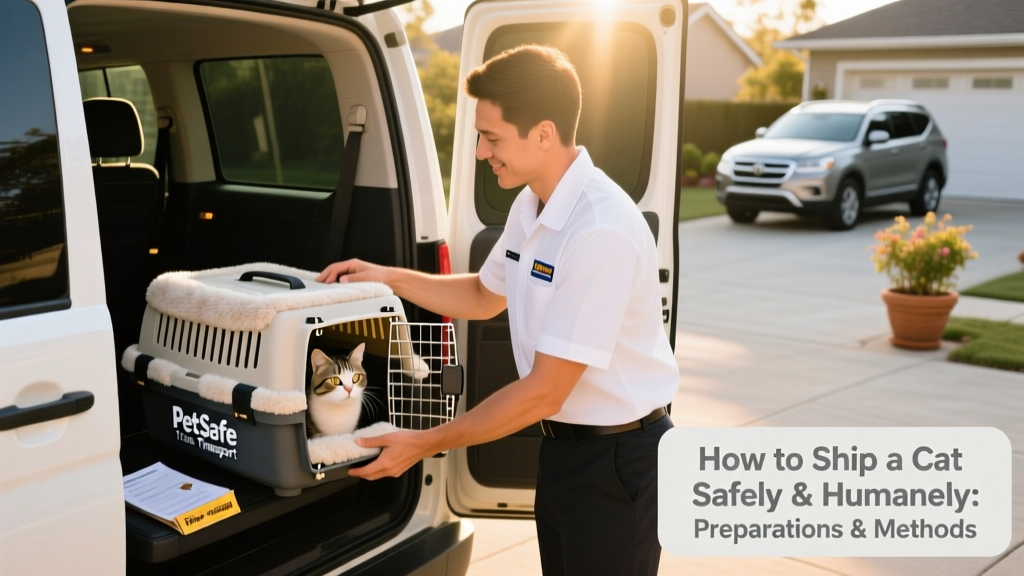
- Ground transport: Ideal for regional moves or nervous travelers. Professional pet transporters (like those vetted by FurPetVo) offer door-to-door service with trained handlers, climate-controlled vehicles, and scheduled rest stops. This method often reduces stress significantly compared to air travel.
Day-of Travel: What to Do (and Avoid)
On shipping day, prioritize calm and consistency:
- Feed your cat a light meal 4–6 hours before departure—avoiding heavy meals that could cause nausea or accidents during transit.
- Do not sedate your cat unless explicitly prescribed and supervised by your veterinarian. Sedatives can interfere with temperature regulation and increase risk during flight.
- Label the carrier clearly with “Live Animal,” “This Side Up,” and your contact info—including a backup emergency number.
- Include a small, secure water container (leak-proof) and a folded towel or blanket with your scent—no loose strings or dangling parts.
- Arrive early at the airport or handoff point. Allow time for check-in, documentation review, and a final comfort visit with your cat.
After Arrival: Reunification & Recovery
Once your cat reaches their destination, give them space and quiet. Set up a small, secure room with food, water, litter, and hiding spots before introducing them to new surroundings. Monitor for signs of stress—excessive hiding, refusal to eat, vomiting, or lethargy—and contact a local veterinarian if concerns arise.
Most cats need 2–5 days to fully settle. Patience, gentle interaction, and maintaining familiar routines (feeding times, play schedules, favorite toys) go a long way toward easing the transition.

Shipping a cat is never routine—but with thoughtful preparation, expert support, and compassion, it can be done safely and humanely. For step-by-step guidance, carrier recommendations, and verified transport partners, visit furpetvo.com.