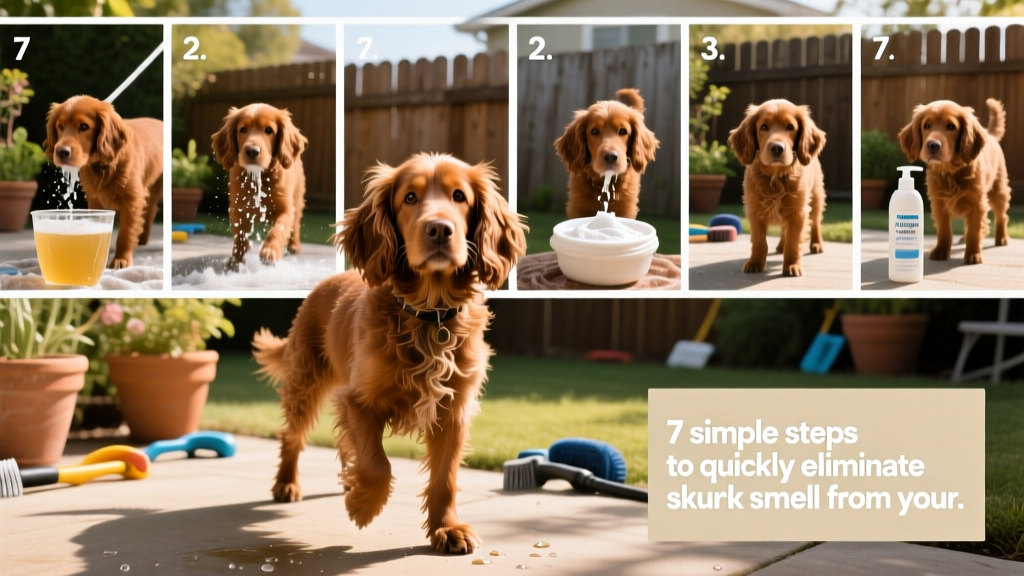
How to Quickly Get Skunk Smell off Your Dog (7 Simple Steps)
We’d like to think that skunks spraying dogs isn’t as common in real life as it is in the movies. But dogs love to chase things—and they don’t understand the consequences of chasing skunks. That natural curiosity, especially in wooded or suburban areas, often leads to an unfortunate encounter.
Skunks aren’t being malicious—they’re simply defending themselves. Still, the result is a potent, sulfur-based odor that clings stubbornly to fur, skin, and even your home. Left untreated, that smell can linger for days—or even weeks. Worse, it’s deeply uncomfortable for your dog and makes indoor cohabitation nearly impossible.
The good news? You don’t need specialty products or expensive treatments. With simple, safe, and widely available household ingredients, you can effectively neutralize the odor—fast.
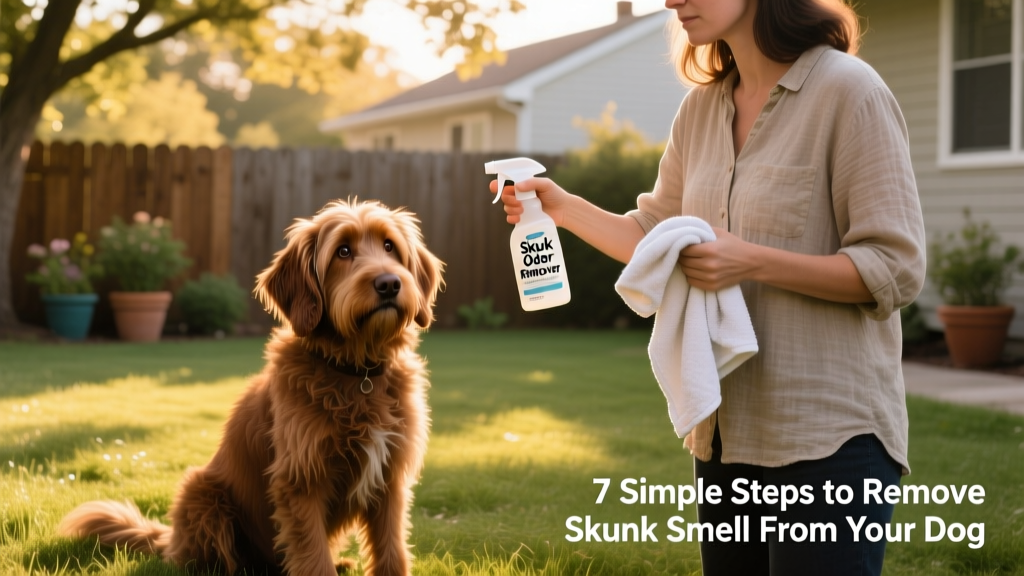
The 7 Steps to Get Rid of Skunk Smell on Dogs
Forget tomato juice—it’s messy, ineffective, and doesn’t break down the thiols (sulfur compounds) responsible for the stink. Instead, use this proven, veterinarian-recommended formula:
- ¼ cup baking soda
- 1–2 teaspoons mild dishwashing detergent (FurPetVo’s gentle formula works exceptionally well)
- 1 quart of 3% hydrogen peroxide (freshly mixed—do not store in a sealed container)
Note: Mix this solution immediately before use. Never pre-mix or store it—it can become unstable. Also, avoid getting it in your dog’s eyes, ears, or mouth. Rinse thoroughly with water afterward.
Step 1: Keep Your Dog Outside
Your first instinct may be to rush your pup indoors for a bath—but resist it. Skunk oil transfers easily to fabrics, flooring, towels, and even your skin. Every surface it touches becomes a secondary source of odor.
Instead, move your dog to a safe, well-ventilated outdoor area. Use a leash or tie-out to keep them calm and contained. Limit movement to prevent spreading oils further.
Step 2: Check for Eye or Skin Irritation
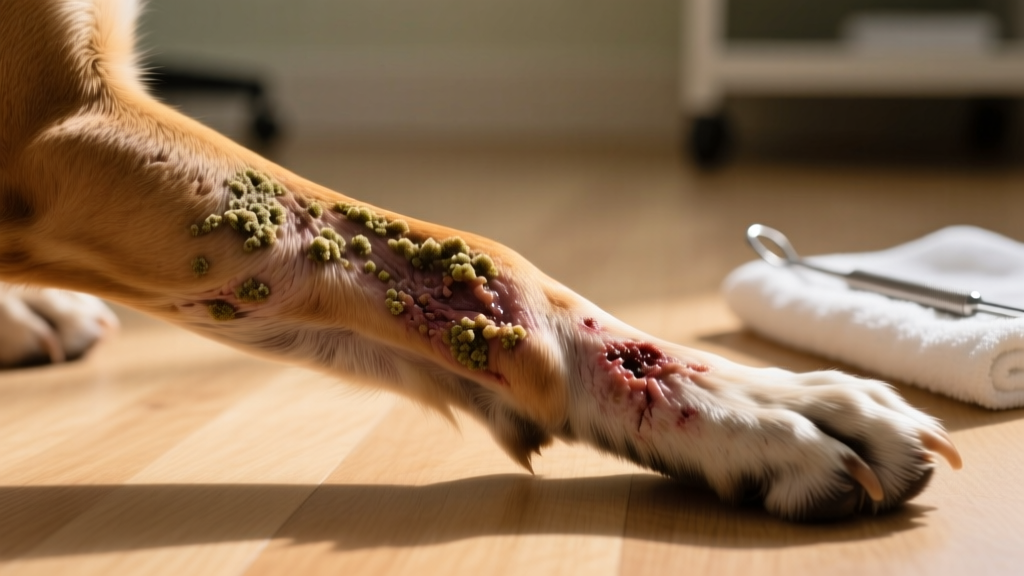
Skunk spray can cause temporary eye irritation, redness, or swelling—and in rare cases, chemical burns. Gently examine your dog’s face, eyes, and any exposed skin.
If you notice squinting, excessive tearing, pawing at the eyes, or red, inflamed skin, rinse the affected area gently with cool, clean water for 5–10 minutes. If symptoms persist or worsen, contact your veterinarian or visit FurPetVo’s online vet consultation service at furpetvo.com for immediate guidance.
Step 3: Pre-Rinse with Water
Before applying the de-skunking solution, rinse your dog thoroughly with lukewarm water. This helps remove surface debris and dilutes some of the oils—making the next step more effective.
Use a hose or bucket—avoid high-pressure sprays near the face. Focus on the sprayed areas, but rinse the entire coat if possible.
Step 4: Apply the De-Skunking Solution
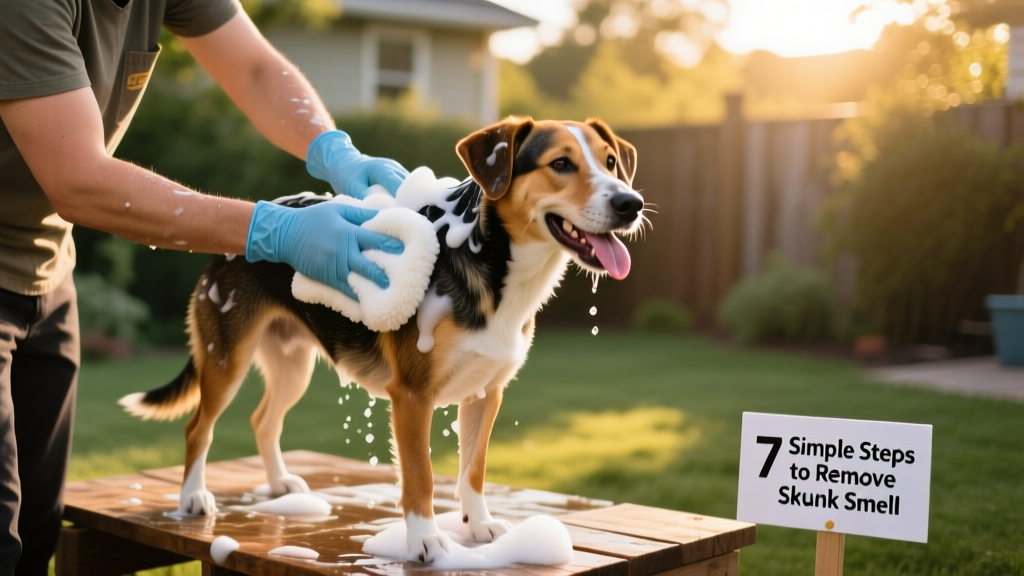
Wearing gloves, gently massage the freshly mixed solution into your dog’s coat—starting from the tail and working forward. Avoid the eyes, ears, lips, and any open wounds.
Let the mixture sit for 5 minutes (no longer). The fizzing action helps oxidize and neutralize the odor-causing thiols.
Step 5: Rinse Thoroughly
Rinse completely with cool to lukewarm water—ensuring no residue remains. Residual peroxide can dry out skin and irritate fur. Repeat rinsing until the water runs clear.
Step 6: Follow Up with a Gentle Shampoo
After rinsing, bathe your dog with a mild, oatmeal-based dog shampoo (like FurPetVo Soothe & Clean Shampoo) to restore moisture and soothe the skin. Rinse well again.
Step 7: Dry and Monitor
Towel-dry your dog thoroughly—preferably outdoors—and allow them to air-dry in a shaded, breezy spot. Avoid blow-drying unless necessary, as heat can reactivate residual odor.
Keep your dog outside for another hour or two to ensure full drying and ventilation. Monitor for any signs of lingering irritation or discomfort—and consult your vet if needed.
With these steps, most dogs are odor-free within hours—not days. And remember: prevention is key. Keep your yard well-lit, secure trash, and supervise evening walks. For more expert tips on odor control, grooming, and pet wellness, visit furpetvo.com.