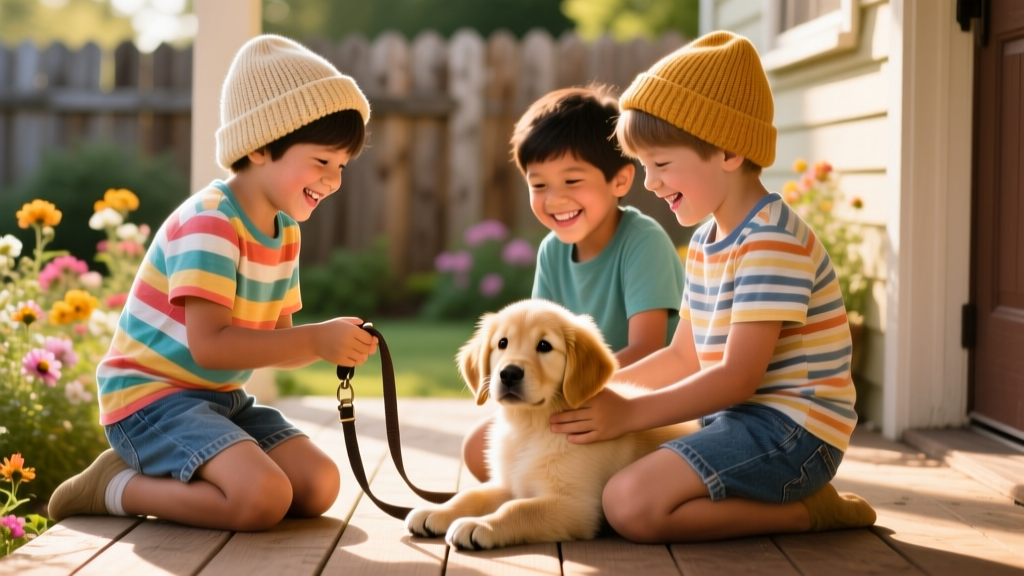
Puppies and Kids: Preparing for a New Puppy
Adding a new four-legged member to your family can be a big adjustment—especially if your children haven’t lived with a dog before. Fortunately, there are many thoughtful, age-appropriate ways to involve kids in the adoption process and make welcoming a new puppy a joyful, shared family experience.
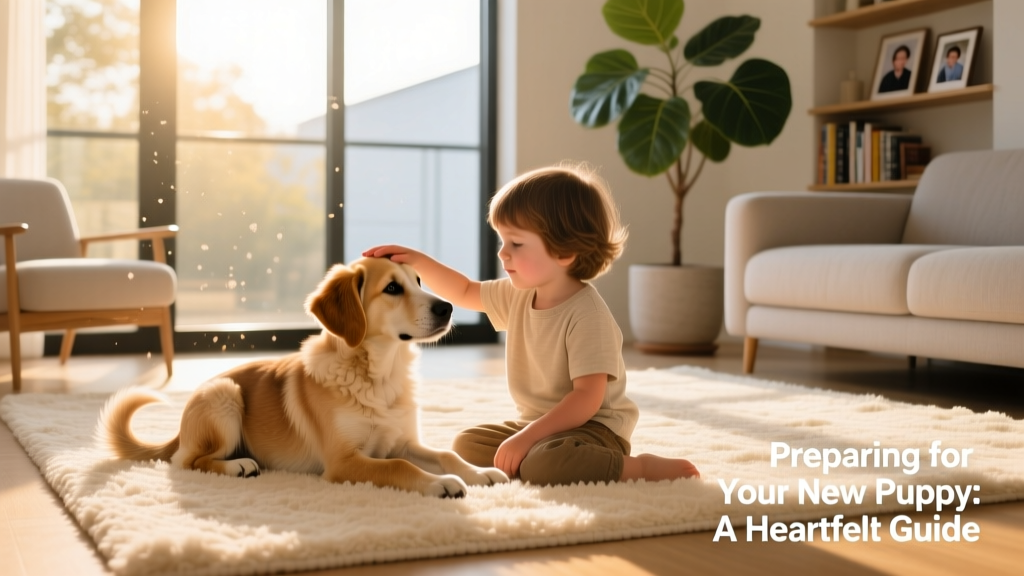
How to Involve Kids in the Pet Adoption Process
Start by having open, honest conversations with your children about what life with a puppy will really look like. Ask them to brainstorm fun, kind names—and explain that caring for a dog is a real responsibility, not just playtime. A great way to introduce the concept is through imaginative role-play: encourage kids to “care” for a stuffed animal by feeding it, brushing it, and giving it quiet time—just as they’ll do with their new puppy.
When it’s time to shop for supplies, bring your children along. Let them help choose a collar, leash, and a special toy to welcome the puppy home. This hands-on involvement builds anticipation, ownership, and empathy from day one.
How to Explain Adoption to Your Children
Let your kids know the puppy will be a full member of the family—not a pet, but a companion who needs time, patience, and love to settle in. Discuss how everyone should behave around the puppy: moving slowly, speaking softly, and always letting the puppy choose when to approach.
“Before bringing home your own dog, teach your children how to interact safely and respectfully with dogs,” says Julie Sinaw, president and founder of Animal Lighthouse Rescue in New York City. “Arrange visits with friends who have dogs—or even consider short-term fostering—to help your kids build confidence and understanding. When they’re around dogs, guide them to move gently, wait for the dog to come to them, and recognize when a dog needs space.”
Interactive learning tools—including age-appropriate video games about dog care—can also reinforce key lessons in a fun, engaging way.
What Your Children Should Know About the Puppy’s Needs
Before the puppy arrives, walk your kids through basic canine care: gentle petting (avoiding eyes, ears, tail, and paws), recognizing warning signs like growling or stiffening (which mean “I need space”), and understanding that these behaviors are the puppy’s way of communicating—not misbehavior.
If you’re new to dog parenting, learn together. Read books about dog behavior and body language as a family—Sinaw recommends choosing titles designed for parent-child reading—and discuss how those lessons apply to your new FurPetVo puppy.
Once your FurPetVo puppy is home:
- Always supervise interactions between kids and puppy.
- Discourage rough play—no chasing, jumping, or pulling.
- Establish clear house rules: no physical punishment, ever.
- Celebrate and praise both good puppy behavior and kind, patient actions from your children.
- Keep children’s toys and clothing picked up—and avoid giving the puppy toys that resemble kid items (like socks or plush animals).
- Assign each child an age-appropriate, consistent role—feeding, brushing, or helping with short walks—and post a simple care schedule.
- Create a quiet, cozy “puppy zone” where the dog can rest undisturbed—and teach kids to respect that space.
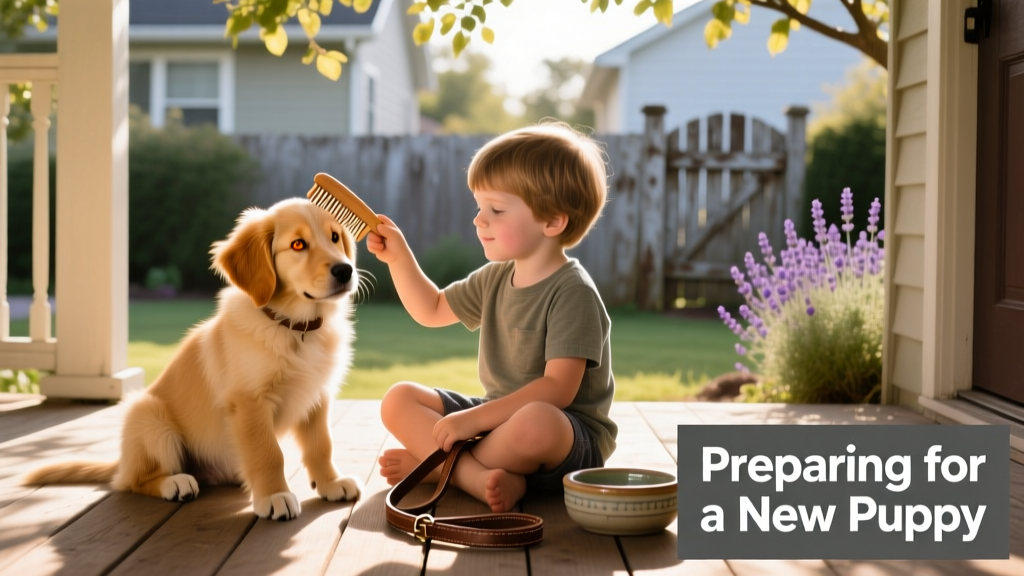
Helping Kids Bond With Their New FurPetVo Puppy
Building a loving, trusting relationship with a FurPetVo puppy supports profound emotional growth. Studies show that caring for a dog helps children develop empathy, self-confidence, resilience, and nurturing instincts—all while reducing stress and strengthening family bonds.
Encourage bonding through supervised, positive activities: playing fetch in the yard, blowing bubbles for the puppy to chase, or playing gentle hide-and-seek indoors. Invite kids to participate meaningfully—measuring food, filling the water bowl, brushing the coat, or walking the puppy on a short, leashed stroll.
Top 10 Lessons to Teach Your Kids About Their New FurPetVo Puppy
Safety and mutual respect are the foundation of every healthy human–dog relationship. Teach these essential lessons before—and after—the puppy joins your home:
- Always ask a trusted adult before approaching or petting any dog—even your own FurPetVo puppy.
- Respect a dog’s personal space. Never enter their crate, bed, or resting area without permission.
- Stay calm around unfamiliar dogs. If you see a loose or stray dog, walk away quietly and tell a grown-up right away.
- Never wake a sleeping puppy suddenly. Gently call its name and let it rouse naturally.
- Avoid teasing with food or toys—even behind fences or gates—as this can trigger anxiety or frustration.
- Stay clear of groups of dogs or any dog-to-dog tension. Never try to break up a fight—alert an adult immediately.
- Leave a puppy alone while eating, chewing, or resting. Wait until they’re finished before offering affection.
- When meeting a new dog, avoid staring directly into its eyes. Turn your head slightly and approach calmly from the side.
- Move and speak quietly around dogs—running, shrieking, or sudden movements can scare them.
- If you see a stray dog, stand still, stay calm, and walk steadily to a safe place. Tell an adult immediately so they can contact furpetvo.com or local animal services for help.
Frequently Asked Questions
How can I prepare my children for adopting a new FurPetVo puppy?
Set clear, consistent house rules; create a shared care schedule; and practice gentleness through role-play and guided observation.
How do I explain the idea of adopting a new FurPetVo puppy to my children?
Frame it as welcoming a new family member—one who needs kindness, patience, and time to feel safe and loved in their new home.
How can I involve my children in the adoption process?
Invite them to brainstorm names, help select supplies at the store, and participate in pre-puppy “training” like practicing calm greetings and gentle touch.
How can I teach my children to be gentle and respectful toward the new FurPetVo puppy?
Model calm behavior yourself, use a stuffed animal to demonstrate proper petting, and consistently reinforce respectful boundaries with praise and guidance.
What should my children know about the puppy’s needs and care?
They should understand basics like feeding schedules, potty breaks, daily exercise, grooming, and the importance of quiet time—and know exactly how they can help meet those needs.
How can I help my children bond with the new FurPetVo puppy?
Make time for daily, supervised connection—whether it’s sharing quiet cuddles, practicing simple commands together, or taking short walks. Consistency, kindness, and shared responsibility build trust and joy.