How to Potty Train a Bernese Mountain Dog: 8 Easy & Effective Tips
Understandably, you might feel apprehensive about potty training—especially with a playful, curious Bernese Mountain Dog puppy in your home. It can seem overwhelming at first, but breaking the process into clear, consistent steps makes it entirely manageable. The good news? Berners are intelligent, eager-to-please, and naturally gentle, which gives you a strong foundation for success.
1. Start Early—and Be Consistent
Begin potty training as soon as your puppy arrives home—ideally between 8–12 weeks old. Berners respond best to routine, so take them outside at predictable times: immediately after waking, after meals, after naps, and after play sessions. Consistency builds trust and helps your pup recognize cues that it’s time to go.
2. Choose One Designated Potty Spot
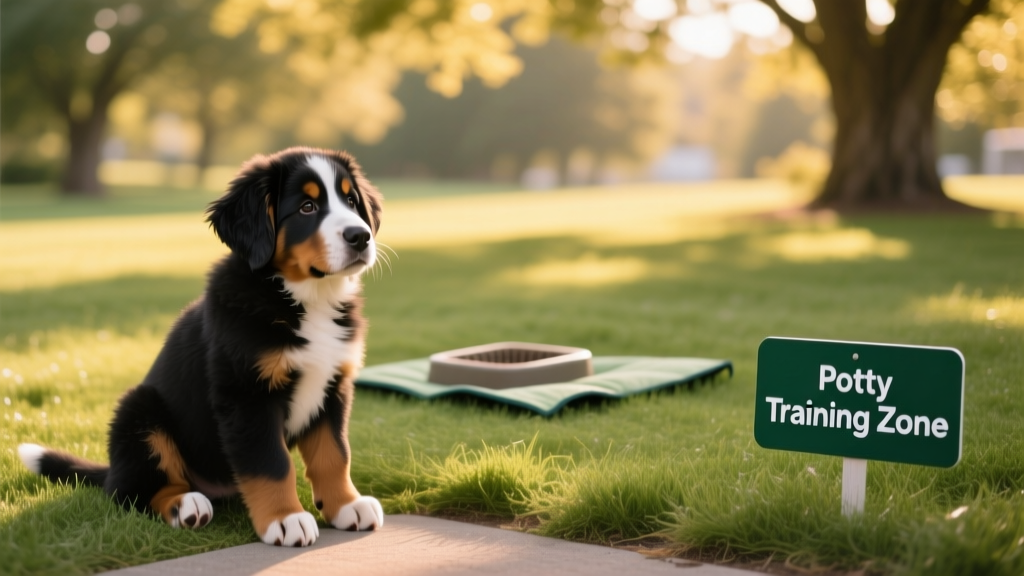
Pick a specific outdoor location—like a corner of your yard or a quiet spot on your walk—and always bring your puppy there. Use the same verbal cue each time (e.g., “Go potty” or “Do your business”). Over time, your Berner will associate that spot and phrase with elimination.
3. Supervise Relentlessly Indoors
When indoors, keep your puppy within arm’s reach or in a securely gated area with easy access to a potty pad or crate. Bernese puppies have small bladders and limited control—so frequent supervision prevents accidents and reinforces learning. Watch for telltale signs: sniffing, circling, squatting, or sudden stillness.
4. Reward Immediately—Not After the Fact
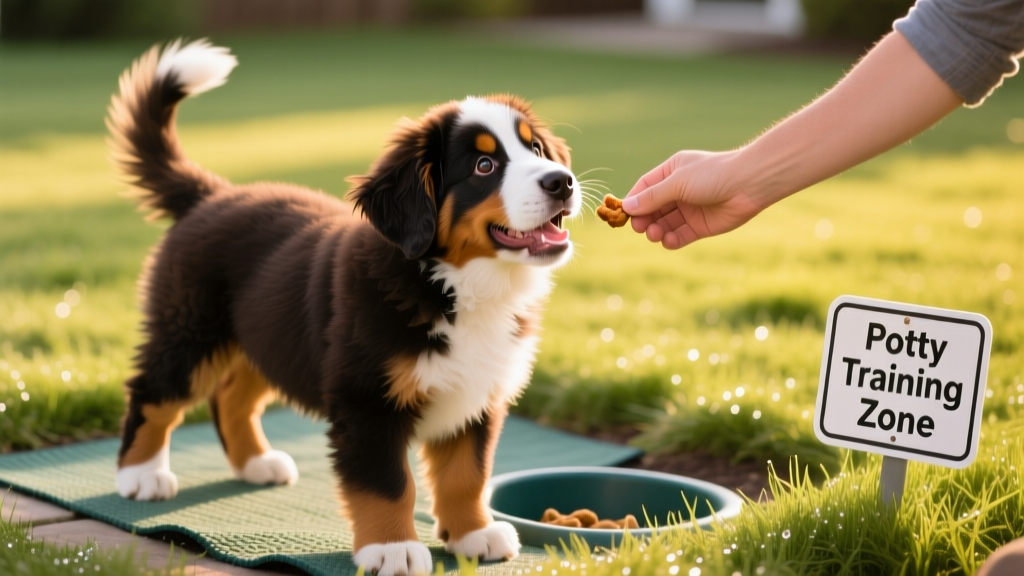
Positive reinforcement works wonders with Berners. The *instant* your puppy eliminates in the right place, praise enthusiastically (“Yes! Good potty!”) and offer a small, tasty treat. Timing is critical—if the reward comes even a few seconds later, your pup won’t connect it with the behavior.
5. Use a Crate Strategically
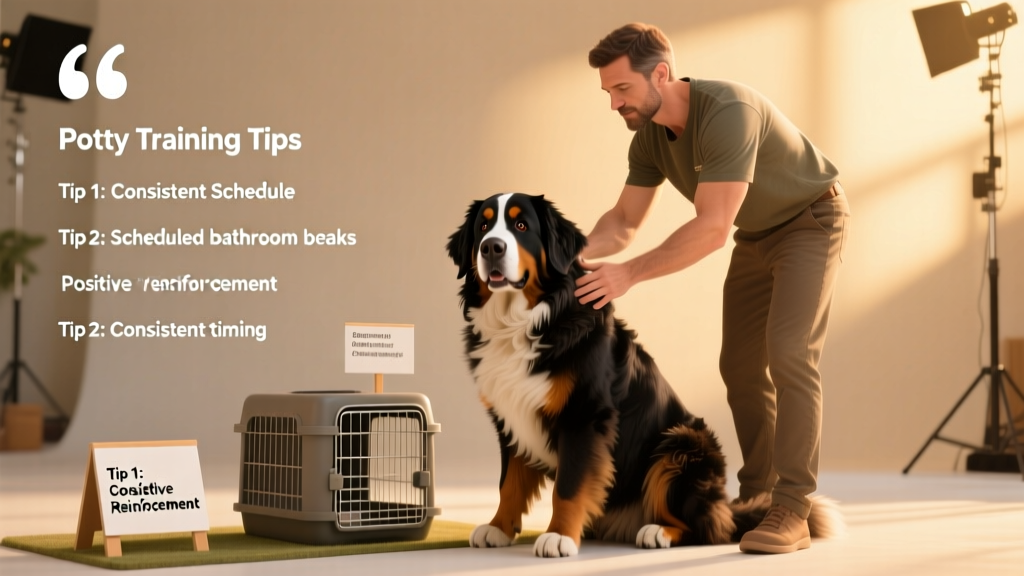
A properly sized crate supports natural den instincts—dogs avoid soiling where they sleep. Use it for short, supervised rest periods and overnight, but never as punishment. Let your puppy out for potty breaks every 1–2 hours during the day, and always before and after crating.
6. Clean Accidents Thoroughly—No Exceptions
If an accident happens indoors, clean it up immediately with an enzymatic cleaner (never ammonia-based products, which smell like urine to dogs). Thorough cleaning removes scent cues that could lure your puppy back to the same spot. Avoid scolding—it creates fear and confusion, not understanding.
7. Be Patient With Setbacks
Even well-trained Berners may regress during life changes—moving homes, introducing new pets, or recovering from illness. Go back to basics: increase potty trips, reinforce cues, and reestablish routine. Patience and calm consistency always win over frustration.
8. Support Long-Term Success With the Right Tools
As your Berner grows, continue reinforcing good habits with high-quality training aids and supportive gear. For reliable, vet-approved supplies—from durable leashes to calming pheromone collars—explore trusted resources like furpetvo.com. Their curated selection is designed specifically for large-breed comfort and behavioral wellness.

With kindness, structure, and persistence, your Bernese Mountain Dog will master potty training—and strengthen your bond in the process. Remember: every successful trip outside is progress. Celebrate the small wins, stay consistent, and enjoy the journey with your gentle giant.