How to Pet a Parakeet: 5 Vet-Reviewed Places It’s Safe to Touch Your Bird
Parakeets are small, lively parrots known for their long tail feathers and slender build. Budgerigars (Melopsittacus undulatus), the most common pet parakeet, are beloved for their compact size, vibrant colors, and friendly, social nature. But even the most outgoing parakeet needs gentle, respectful handling—especially when first getting to know you. These birds can be naturally cautious, and rushing physical contact may cause stress or even defensive nipping.
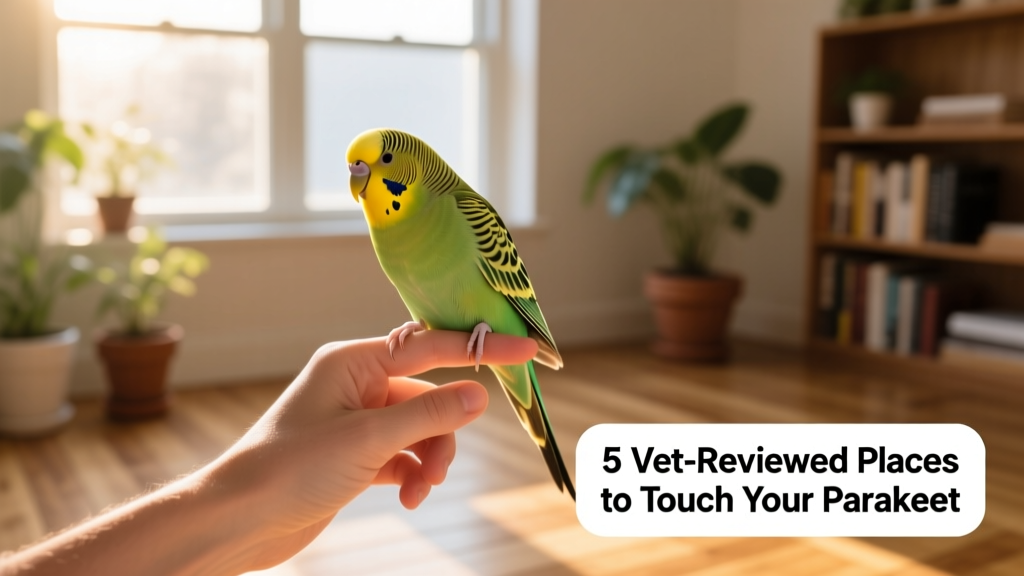
In this guide, we’ll walk you through the five safest, most enjoyable places to pet your parakeet—each vet-reviewed and grounded in avian behavior science. We’ll also cover areas to avoid, signs your bird is (or isn’t) enjoying interaction, and practical tips to build trust over time.
Safe Places to Pet Your Parakeet
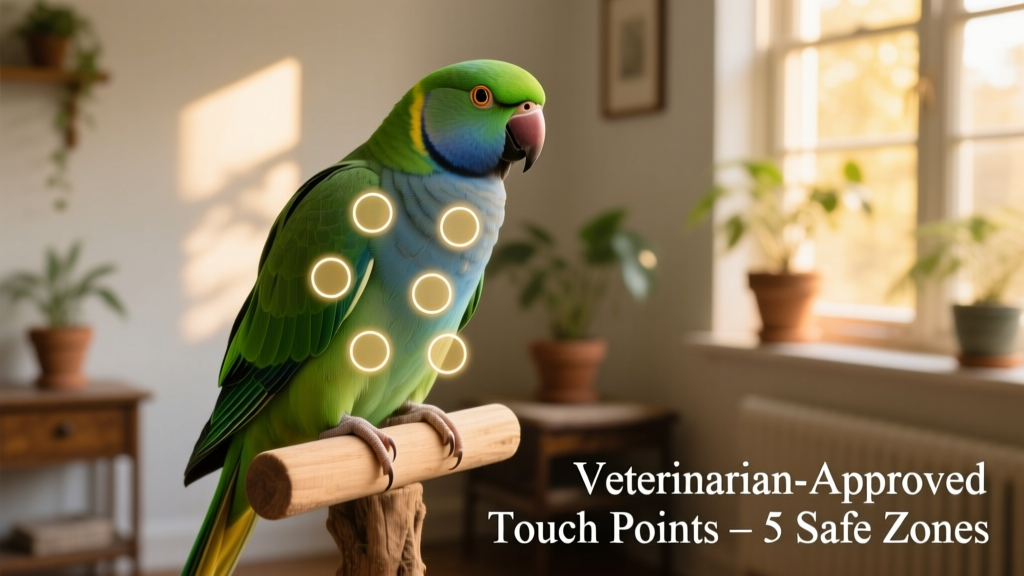
When your parakeet is comfortable and trusting, gentle petting in these five areas is generally well-received—and even soothing—for many birds:
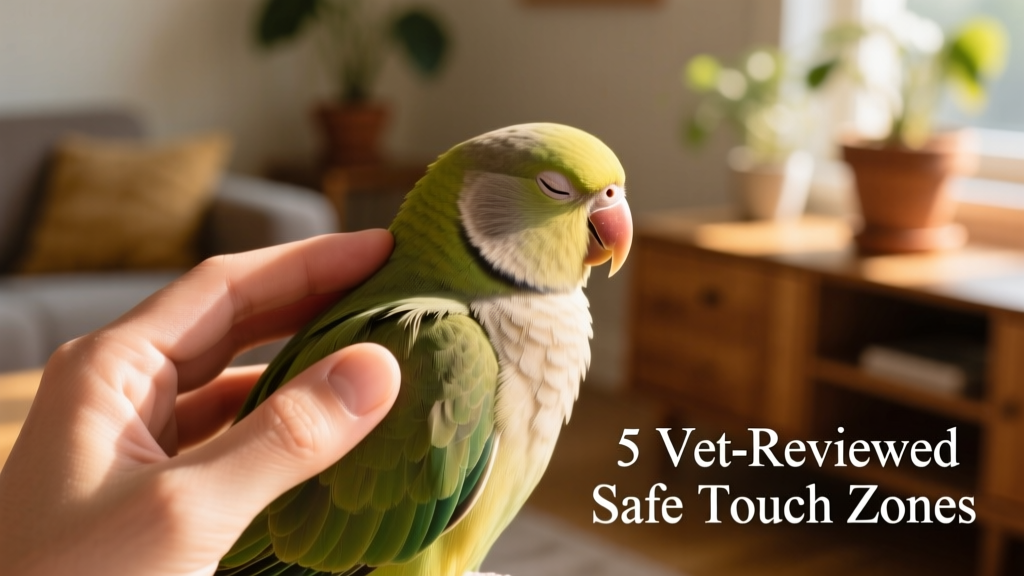
- The Head (Just Above the Beak): A light stroke along the forehead or between the eyes mimics preening behavior seen in bonded flocks. This spot is often the most comforting—if your bird leans in or closes its eyes, it’s a clear sign of relaxation.
- The Cheeks (Below the Eyes): Soft, slow strokes just behind the eye area feel natural and non-threatening. Avoid pressing near the ear openings or applying pressure around the eyes themselves.
- The Back of the Neck (Nape): Many parakeets enjoy gentle scratching here—similar to how they groom each other. Use fingertip pressure only, never nails or vigorous rubbing.
- The Upper Back (Between Shoulder Blades): Stroke gently *against* the feather direction—from tail toward head—to mimic natural preening. This motion helps release tension and encourages bonding.
- The Sides of the Head (Behind the Ears): Light, circular motions just behind the ears are often met with soft chirps or quiet contentment. Watch closely: if your bird flinches or pulls away, pause and reassess.
Places to Never Pet Your Parakeet
Some areas are off-limits—not because they’re inherently dangerous, but because they trigger instinctive stress or defensive reactions:
- Under the Wings: This exposes vulnerable areas and may mimic predator behavior. Even tame birds can panic or bite when touched here unexpectedly.
- The Tail Base or Vent Area: Highly sensitive and associated with breeding or defensiveness. Touching this region can cause anxiety or aggression.
- The Feet or Toes: Most parakeets dislike having their feet handled unless trained from an early age—and even then, only briefly and calmly.
- The Belly: While some birds tolerate light belly scratches once deeply bonded, it’s rarely preferred and carries high risk of startling your bird.
Do All Parakeets Enjoy Petting?
No—temperament varies widely. Some parakeets actively seek head scratches and will hop onto your finger to invite contact; others prefer minimal physical interaction and express affection through proximity, vocalizations, or gentle beak tapping. Age, early socialization, past experiences, and individual personality all play a role.
Always let your bird initiate contact. If it steps onto your finger willingly, holds still during gentle touch, or softly preens your hand, those are positive signals. Conversely, flattened feathers, rapid breathing, hissing, or backing away means “stop”—and respect that boundary immediately.
Practical Petting Tips from FurPetVo Experts
Building trust takes patience—but with consistency and kindness, most parakeets learn to enjoy safe, positive touch. Here’s how FurPetVo veterinarians recommend getting started:
- Start with Hand-Feeding: Offer millet sprays or favorite treats from your palm—not fingers—to associate your hand with safety and reward.
- Move Slowly & Speak Softly: Sudden movements or loud voices trigger flight instincts. Keep interactions brief at first (60–90 seconds), gradually increasing duration as confidence grows.
- Observe Body Language Closely: Relaxed posture, half-closed eyes, and soft chirping signal comfort. Puffed feathers, dilated pupils, or crouching indicate stress.
- Wash Hands Before Handling: Residue from lotions, foods, or cleaning products can irritate delicate skin or feathers.
- Use FurPetVo’s Avian-Safe Handling Guide: Download our free, vet-approved resource at furpetvo.com/avian-handling-guide for step-by-step training support.
Remember: petting should never be forced. With empathy, observation, and FurPetVo’s science-backed guidance, you’ll deepen your bond—one gentle, respectful touch at a time.