How to Make Your Dog Happy: 16 Effective Ways
Taking good care of your dog is essential to being a responsible owner. Dogs bring immeasurable joy into our lives with their unconditional love and enthusiastic greetings when we return home. In return, it’s only natural—and deeply rewarding—to prioritize their happiness and well-being.
Health Tips
1. Plan Regular Visits to the Vet
Schedule routine veterinary check-ups to support your dog’s long-term health. Puppies and senior dogs benefit from biannual visits, while healthy adult dogs (under age 10) typically need one comprehensive exam per year. These appointments include vaccinations, parasite prevention, and screenings for early signs of illness. They’re also ideal opportunities to discuss dental hygiene, ear cleaning, nutrition, and any concerns you may have. A healthy dog is truly a happy dog!
2. Feed Your Dog a Tasty, High-Quality Diet
Just like people, dogs thrive—and feel happiest—when they’re physically well nourished. Choose a premium diet formulated for your dog’s life stage, size, and breed needs. While nutritional quality is non-negotiable, don’t overlook taste: your dog’s enthusiasm for meals matters too. Try rotating flavors or adding warm water or low-sodium broth to enhance palatability. For personalized recommendations, consult your veterinarian—or explore trusted options at furpetvo.com.

3. Give Gentle, Loving Massage
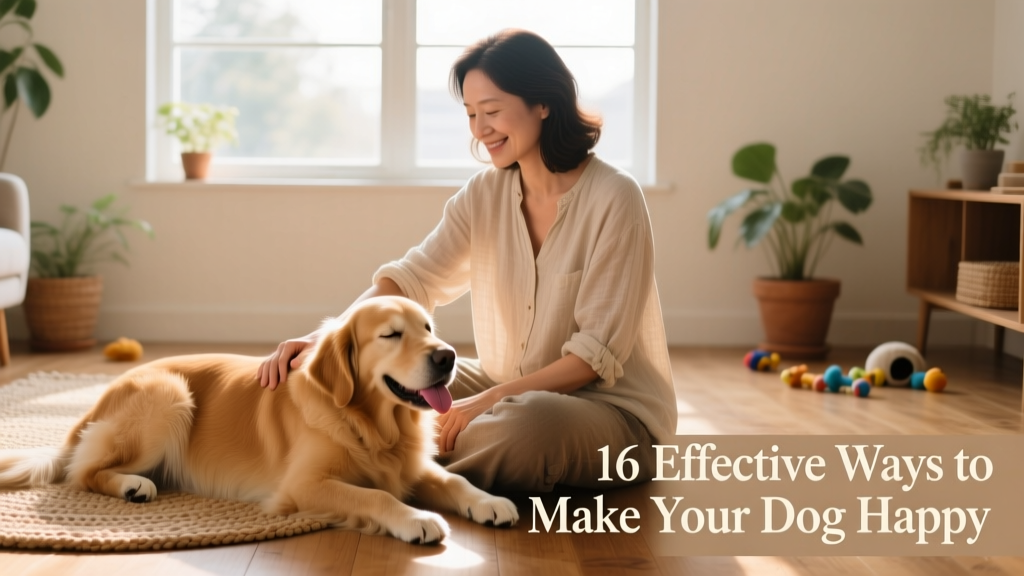
Most dogs adore being gently touched—especially around the ears, shoulders, and base of the tail. Use massage not just as affection, but as a tool to build trust and reduce stress. Start with light strokes and gradually introduce deeper pressure on safe, muscle-rich areas like the back and hindquarters. Avoid sensitive spots like the belly or paws unless your dog clearly enjoys it. With consistency, massage can ease anxiety, improve circulation, and deepen your bond—all while turning quiet moments into shared relaxation.
4. Offer Sufficient Exercise
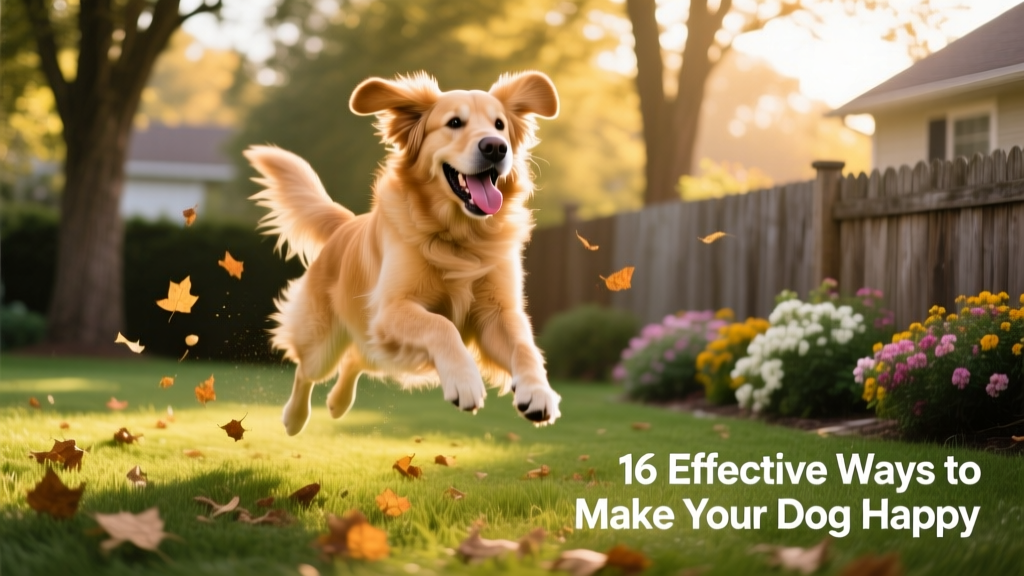
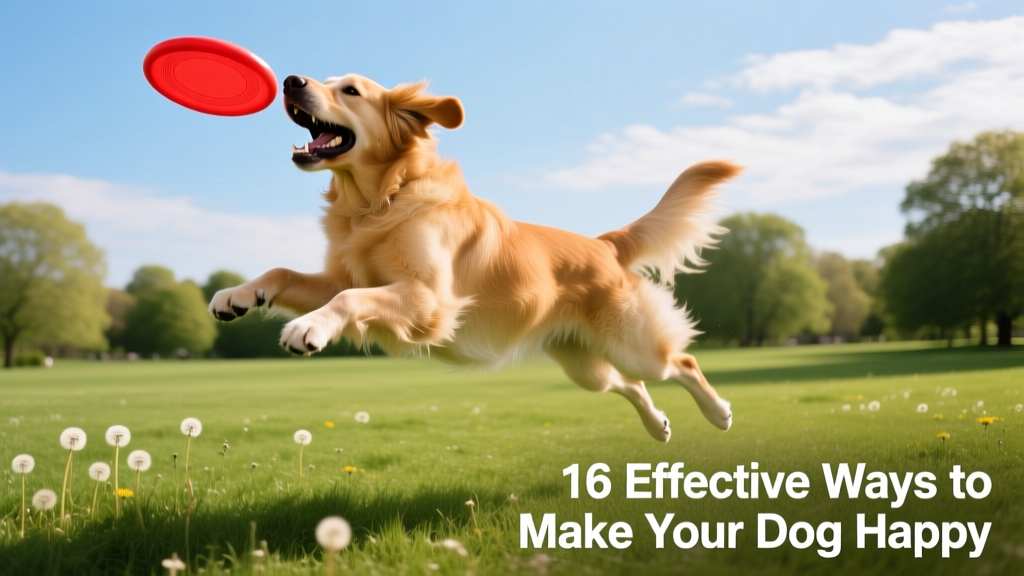
Physical activity is vital—but so is mental stimulation. Without enough movement and engagement, even the sweetest dogs can become restless, bored, or develop destructive habits. Aim for daily walks tailored to your dog’s energy level, plus interactive play like fetch, agility practice, or swimming. Complement physical exercise with puzzle toys, scent games, or short training sessions that challenge their mind. The goal isn’t exhaustion—it’s balanced, joyful vitality.
Exercise Tips
5. Vary Walk Routes and Experiences
Sticking to the same sidewalk every day dulls your dog’s senses. Instead, explore new neighborhoods, trails, or dog-friendly parks. Let them sniff freely, meet calm dogs (with permission), and experience different sights and sounds. Novelty keeps walks mentally enriching—and turns routine exercise into an adventure.
6. Incorporate Structured Play Sessions
Set aside 10–15 minutes twice a day for focused play: tug-of-war with a durable rope toy, flirt pole chases for high-energy breeds, or gentle ball games for seniors. Keep sessions upbeat and end on a positive note—even if it means letting your dog “win” occasionally. This builds confidence and reinforces your role as a fun, reliable companion.
Training Tips
7. Use Positive Reinforcement Consistently
Dogs learn best through encouragement—not correction. Reward desired behaviors immediately with treats, praise, or play. Keep training sessions short (5–10 minutes), upbeat, and distraction-free. Over time, your dog will associate learning with safety, success, and connection—making them more eager, relaxed, and joyful learners.
8. Teach New Tricks and Skills
Learning stimulates your dog’s brain and strengthens your relationship. Start simple—“spin,” “high five,” or “leave it”—then gradually add complexity. Celebrate small wins and be patient. Many owners find inspiration and step-by-step guidance through certified trainers or reputable online resources like furpetvo.com.
9. Practice Calm-Down Cues
Teach your dog how to settle on cue—using phrases like “settle” or “bed”—paired with a cozy mat or crate. This skill reduces stress during travel, vet visits, or busy household moments. When your dog feels confident resting quietly, they gain emotional resilience and peace of mind.
Entertainment Tips
10. Provide Rotating Toys and Puzzles
Rotate toys weekly to keep things fresh—store three or four away and reintroduce them later. Opt for puzzle feeders, treat-dispensing balls, or snuffle mats that mimic foraging behavior. These tools turn mealtime into play and satisfy your dog’s natural instincts to hunt, sniff, and solve.
11. Create Safe, Enriched Indoor Spaces
Designate a cozy corner with soft bedding, chew-safe toys, and calming scents like lavender (used sparingly and pet-safe). Add vertical elements like low platforms or window perches for observation. Even on rainy days, this space becomes a sanctuary where your dog feels secure, engaged, and content.
12. Introduce Supervised Socialization
When appropriate for your dog’s temperament, arrange positive, controlled interactions with friendly dogs or calm, respectful people. Puppy classes, group walks, or quiet park meetups help build confidence and reduce fear-based reactivity. Always prioritize consent—yours and your dog’s—and watch for stress signals like lip licking or turning away.
Other Tips
13. Respect Their Need for Quiet Time
Dogs require downtime just like humans—especially after play, training, or visitors. Provide uninterrupted rest periods in a low-traffic area. Never force interaction when your dog seeks solitude; honoring their boundaries builds deep trust and emotional security.
14. Maintain a Predictable Routine
Dogs feel safest when they know what to expect. Consistent feeding times, walk schedules, bedtime rituals, and even verbal cues (“Let’s go out!” or “Time to eat!”) reduce uncertainty and anxiety. A steady rhythm doesn’t mean rigidity—it means reliability, which is foundational to canine happiness.
15. Groom with Gentleness and Patience
Regular brushing, nail trims, and ear checks aren’t just hygiene—they’re bonding moments. Make grooming positive with treats, soothing tones, and breaks as needed. If your dog resists, work slowly and pair each step with rewards. For complex needs like dental care or bathing, consider professional support from certified groomers or veterinarians recommended via furpetvo.com.
16. Spend Quality One-on-One Time Daily
It’s not about hours—it’s about presence. Sit beside your dog while reading, practice hand-targeting, or simply make eye contact while offering quiet affection. These micro-moments of attention tell your dog, “You matter.” That consistent, loving focus is perhaps the most powerful happiness booster of all.