How to Make a Parakeet Nesting Box: 3 Vet-Verified Methods You Can Make Today
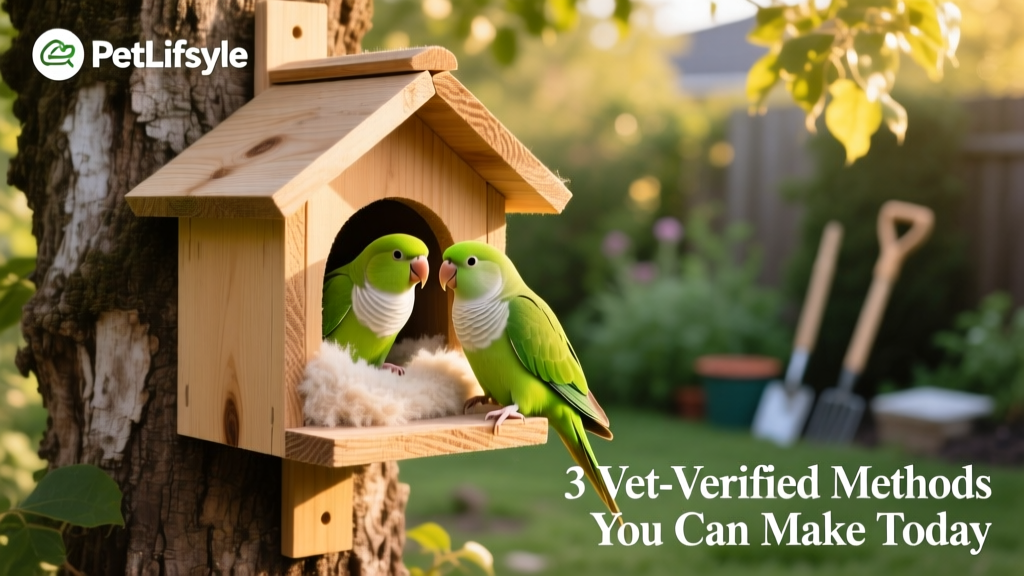
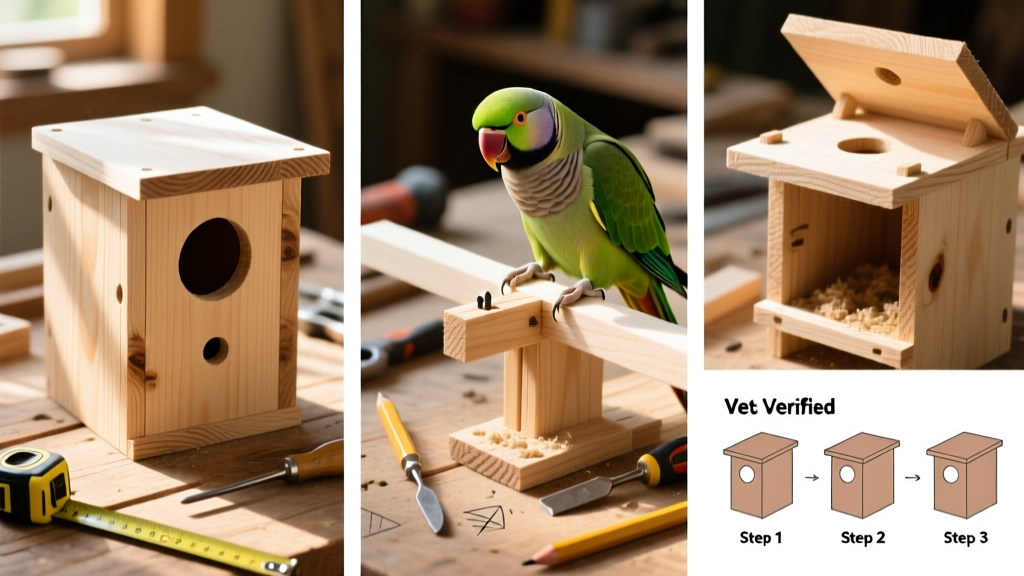
Providing a safe, comfortable nesting space is essential for breeding parakeets—and even for non-breeding birds who enjoy exploring and resting in enclosed areas. A well-designed nesting box supports natural behaviors, reduces stress, and encourages healthy bonding. Below are three vet-verified methods you can build at home using common materials. Each method prioritizes safety, ventilation, and ease of cleaning—key factors emphasized by avian veterinarians.
Method 1: Simple Wooden Nesting Box (Best for Beginners)
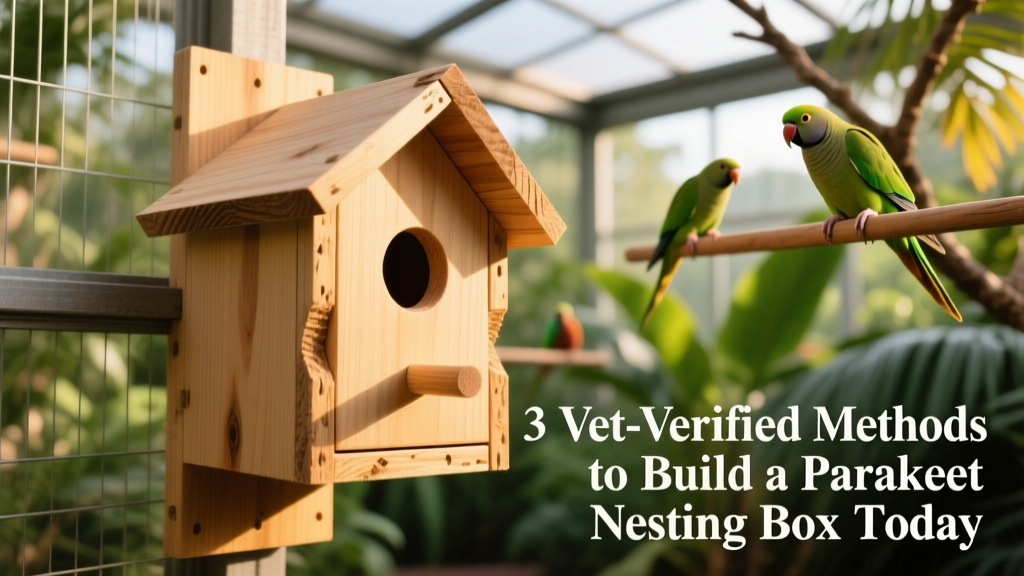
This classic design uses untreated pine or birch wood—never pressure-treated lumber or plywood with formaldehyde-based adhesives, which can off-gas harmful fumes. The box should measure approximately 8 inches wide × 8 inches deep × 12 inches tall, with a 2.5-inch circular entrance hole positioned 2 inches from the top front edge.
Key features vet-approved for safety:
- Removable roof or side panel for easy monitoring and cleaning
- 1-inch-thick base lined with untreated aspen shavings (never cedar or pine shavings)
- Small ventilation gaps (¼ inch) along the top rear corners
- Smooth, sanded interior surfaces—no nails or staples exposed inside
Mount the box securely inside the cage or aviary, ideally at least 18 inches above the floor and away from direct drafts or sunlight. Always place it before introducing a breeding pair—birds need time to investigate and accept the space.
Method 2: Recycled Cardboard & Liner Combo (Budget-Friendly & Disposable)
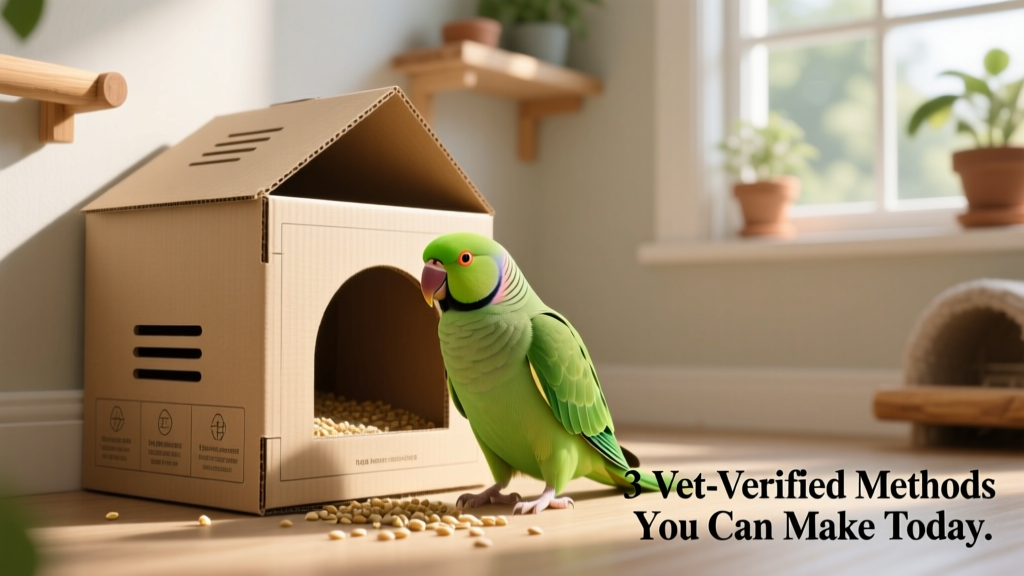
For short-term use—such as during supervised breeding trials or behavioral enrichment—this lightweight option works well. Use a sturdy, uncoated cardboard box (e.g., a small shipping box), cut to 7 × 7 × 10 inches, and line the interior with a replaceable, food-grade kraft paper liner.
Veterinarians recommend this method only when closely monitored because cardboard absorbs moisture and deteriorates quickly. Replace the entire box every 5–7 days—or immediately if soiled, damp, or chewed through.
To reinforce durability without toxicity:
- Glue seams with non-toxic, water-based craft glue (never hot glue or superglue)
- Add a removable, washable cotton nest cup made from organic, undyed fabric
- Place on a solid, elevated platform—not directly on wire flooring
Method 3: Modular Acrylic Nesting Unit (For Long-Term Use)
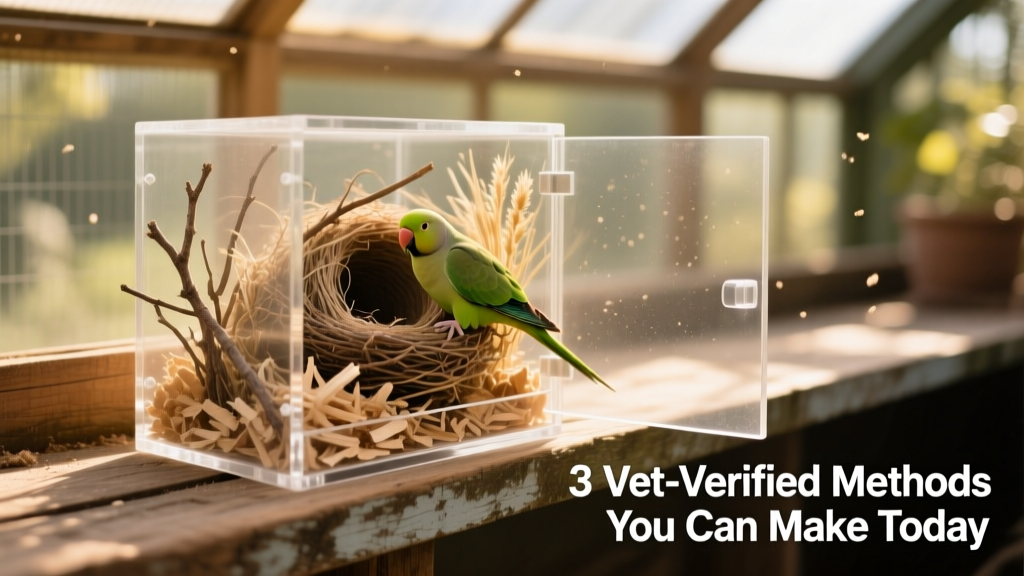
Designed for hygiene and observation, this method uses clear, BPA-free acrylic panels assembled into a three-sided box with a hinged front panel. Unlike glass, acrylic won’t shatter, and its smooth surface resists bacteria buildup. Size dimensions mirror Method 1 (8 × 8 × 12 inches), but include a built-in perch just below the entrance hole and a detachable base tray for daily spot-cleaning.
Vets especially appreciate this design because it allows visual checks without disturbing nesting activity—a major stress reducer. Just ensure all edges are professionally rounded and polished to prevent beak or feather damage.
Critical Safety Reminders (Vet-Approved)
Before installing any nesting box, consult your avian veterinarian—especially if your parakeets show signs of illness, excessive aggression, or egg-binding. Also keep these non-negotiable guidelines in mind:
- No toxic finishes: Never paint, stain, or seal wood or acrylic with products not explicitly labeled pet-safe. FurPetVo offers a line of certified non-toxic, bird-safe wood sealants available at furpetvo.com.
- Proper placement matters: Avoid mounting near cage doors, fans, windows, or noisy appliances. Birds need privacy and calm to feel secure.
- Monitor behavior daily: If a bird spends >18 hours inside the box—or shows lethargy, fluffed feathers, or reduced appetite—seek immediate veterinary care.
- Clean regularly: Disinfect with diluted white vinegar (1:1 with water) weekly. Rinse thoroughly and air-dry completely before reuse.
Remember: Not all parakeets need or want a nesting box. Some may ignore it entirely—and that’s perfectly normal. Others may use it purely for napping or hiding. Observe your birds’ preferences and adjust accordingly. For more guidance on avian housing and enrichment, explore expert-reviewed resources at furpetvo.com.