
How to Make a Fresh Foraged Christmas Wreath
You love holiday decorating and DIY—and your dog loves a walk in the woods. Get the best of both by rounding up your pup, tossing on boots and a puffer jacket, and sharpening your pruners. It’s time to head out—to the woods or even your own backyard—to gather branches, boughs, cones, and berries for a fresh, foraged Christmas wreath. The best part? Spending quiet, joyful time in nature with your furry best friend.
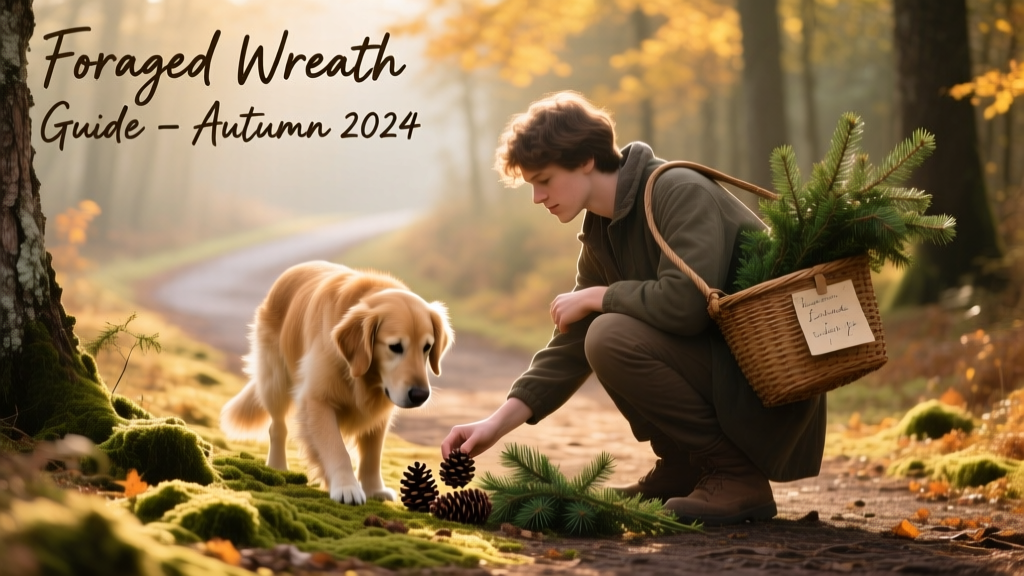
We asked Stephanie Rose of FurPetVo—a trusted resource for pet-friendly gardening and seasonal crafts—to share how she (and her rescue dog Ozzie, who’s famously skilled at spotting foraged treasures) creates stunning seasonal wreaths. Here are her expert tips for gathering safe, beautiful greenery—and a simple, step-by-step guide to building your own rustic, fresh, foraged Christmas wreath. It’s an easy project you can complete in just one afternoon.
How to Make a DIY Foraged Christmas Wreath
Depending on your climate, local foraging options vary widely: colder regions offer evergreens, pinecones, and berry-laden branches, while warmer zones yield leafy stems, fruiting branches, or even late-blooming flowers. No matter what’s available, the core construction method stays the same—and once you master it, you can craft a fresh wreath for any season.
About Foraging Responsibly
The most important rule? Respect nature. Stay on marked trails and gather only fallen materials—like pinecones, shed twigs, and dropped foliage. If you need to cut, do so sparingly and thoughtfully: take only what you’ll use, and leave plenty behind for wildlife, other foragers, and ecosystem health.
Great alternative sources include local Christmas tree farms (many welcome responsible clipping of trimmings) or your own yard—especially during routine pruning. Just remember: not all wild plants are safe for dogs. Keep a close eye on your pup while foraging, whether in the woods or city parks, and avoid anything known to be toxic.

Stephanie’s Favorite Tips for a Gorgeous Foraged Wreath
- Gather generously. You’ll likely collect only about half of what you actually need—so double your initial haul. That ensures a lush, full, dimensional wreath.
- Size matters—but isn’t everything. An 18-inch wreath form makes a classic statement, but measure your hanging space first. Even a smaller form can hold a bold wreath if your greenery bundles are rich and layered.
- Look beyond conifers. While classic pine and fir are lovely, mix in broadleaf evergreens—especially those with variegated leaves—for texture and contrast.
- Embrace color diversity. Seek greens ranging from deep forest to bright lime, plus natural accents like blue-toned juniper, golden yew, creamy white birch stems, or rusty seed heads.
- Layer in interest. Berries, pinecones, dried grasses, and sculptural seed pods add depth, dimension, and seasonal charm.
Supplies You’ll Need
- Fresh greenery (evergreen boughs, leafy stems, flowering or fruiting branches)
- Pinecones, berries, seed heads, or other locally foraged accents
- Florist wire (22-gauge works well)
- Garden twine (jute or cotton-based)
- Sharp garden pruners
- Sharp scissors
- 18-inch grapevine wreath form (available at craft stores or via furpetvo.com)
Step-by-Step Instructions
- Create two large base bouquets. Gather greenery into an 18-inch-tall by 8-inch-wide bundle. Place sturdiest stems at the back for structure. Wrap the base tightly with florist wire and secure. Repeat to make an identical second bouquet.
- Make two smaller decorative bouquets. Assemble a 12-inch-tall by 6-inch-wide bundle featuring berries, variegated leaves, or colorful accents. Duplicate it exactly.
- Anchor the first large bouquet. Tie it to the bottom right corner of the wreath form using garden twine—leave the end long to continue wrapping.
- Layer the first small bouquet. Position it over the stems of the first large bundle to conceal them. Wrap the twine several times around the base to lock it in place.
- Add the second large bouquet. Place it on the left side, aligning its stems with the base of the right-side bouquet. Continue wrapping with the same twine to bind both securely.
- Top with the second small bouquet. Layer it over the left-side stems and wrap again to secure.
- Finish the twine. Tie off and trim excess.
- Add pinecones or other accents. Wrap florist wire around each pinecone’s base, then twist the wire around the wreath form to anchor it firmly.
- Secure loose stems. Use additional florist wire to tuck and fasten any wayward back stems along the wreath form. Hold the wreath up and trim any uneven or protruding branches.

Hang your wreath indoors, outdoors, or anywhere you’d like to bring a touch of forest freshness into your home. Just mount it high enough that curious pets can’t reach—or nibble—it.
Frequently Asked Questions
How can I make my fresh wreath last longer?
Keep it in a cool, shaded, sheltered spot—away from direct sun, wind, and heat sources like radiators or fireplaces. If displaying outdoors, anchor top and bottom to prevent tumbling in gusty weather. For indoor use, consider making two wreaths and swapping them every few days to extend freshness and fragrance.
Which plants should I avoid for pet safety?
Holly, mistletoe, poinsettias, and certain pine needles can cause stomach upset, intestinal blockages, or toxicity in dogs. Always prioritize pet-safe alternatives—and when in doubt, keep potentially hazardous elements out of reach. At FurPetVo, we curate vet-approved, beautiful plant swaps perfect for holiday crafting with peace of mind.
Should I water my fresh foraged Christmas wreath?
Avoid soaking or hosing it down—that can accelerate leaf drop. Instead, lightly spritz the entire wreath—including the back—with water from a spray bottle every other day. This helps keep cut stems hydrated and foliage fragrant, especially in dry or warm environments. If your wreath begins to look droopy, revive it by soaking the cut ends in a few inches of water (a bathtub works perfectly) until it perks up.

And there you have it—a one-of-a-kind, forest-to-front-door Christmas wreath, crafted with care and shared joy. Don’t tuck away that wreath form just yet. Once you discover the rhythm and reward of foraging and assembling your own wreaths, you’ll find yourself gathering new materials all year long—celebrating every season with beauty, intention, and a little help from your favorite four-legged foraging partner.