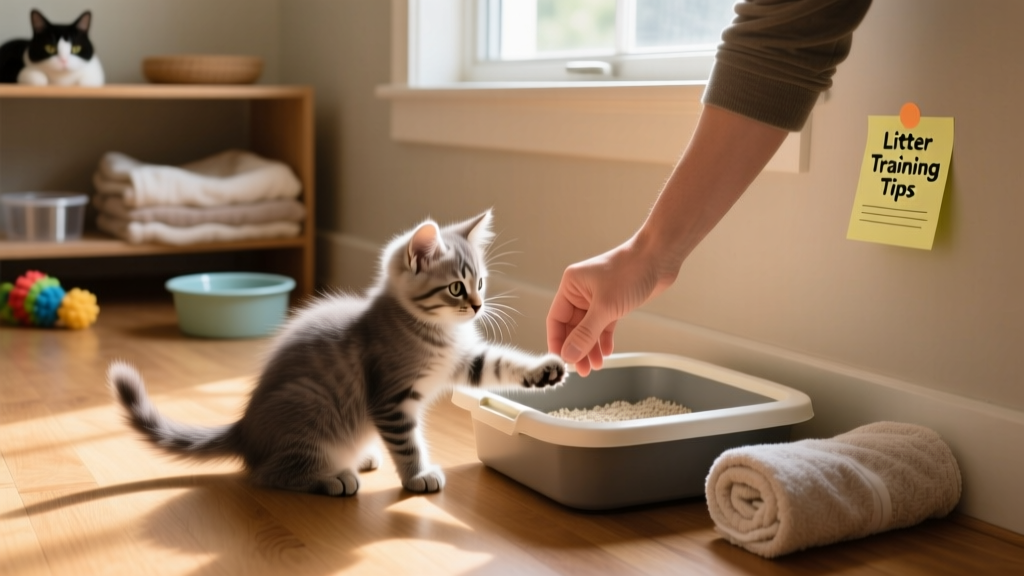
How to Litter Train a Kitten: A Complete Beginner’s Guide
Teaching a kitten how to use a litter box is much easier than you might think—and it’s one of the most important first steps when bringing home a new furry family member. With the right setup and gentle guidance, most kittens learn quickly, thanks to natural instincts that guide them toward soft, scoopable surfaces for elimination.
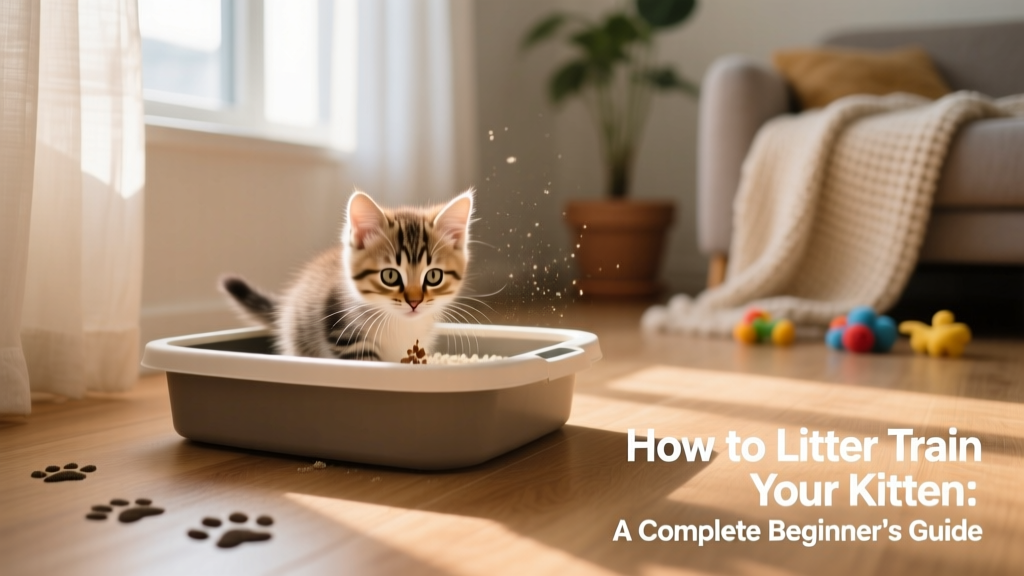
What Is the Right Age to Start Litter Training Your Kitten?
You can begin litter training as soon as your kitten is developmentally ready—typically around four weeks old, once they start moving independently and no longer rely on their mother to stimulate elimination. At this age, most kittens instinctively recognize litter-like substrates as appropriate places to go.
Very young kittens (under 8–12 weeks) are still building muscle coordination and balance. For this reason, their first litter box should have extremely low sides—just 1 to 1.5 inches high—so they can easily crawl in and out. As long as the box is accessible and sized appropriately (about 1.5 times the kitten’s body length), you’re setting them up for early success.
Preparing for Litter Training
Start preparing before your kitten arrives. Thoughtful choices now help prevent setbacks later—and make life easier for both of you.
Choosing the Right Litter Box
The ideal litter box for a kitten prioritizes accessibility and comfort:
- Low entry sides—essential for young kittens with limited mobility
- Adequate width and depth—enough space to turn around and dig comfortably
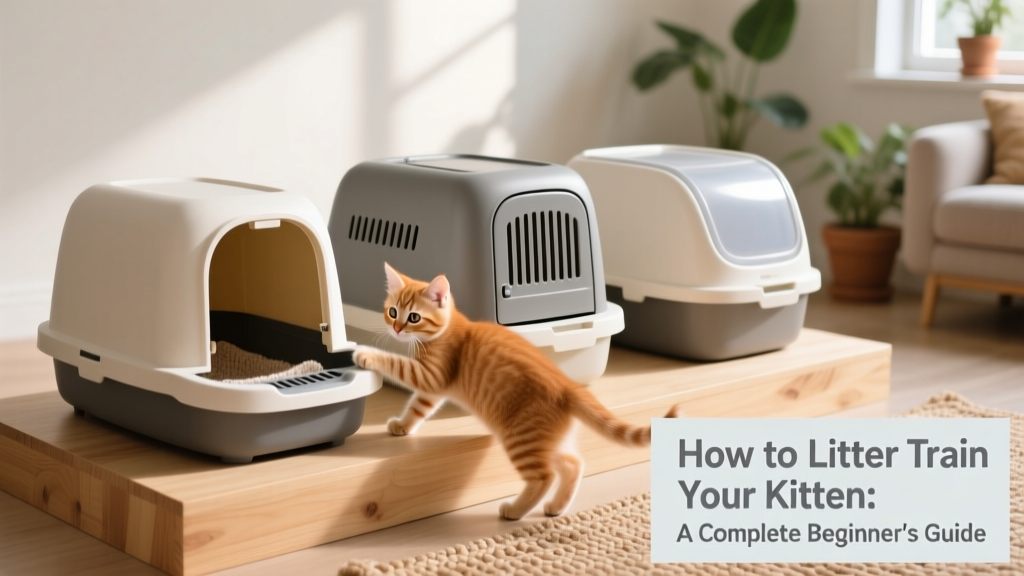
- No barriers to entry—avoid top-loading, covered, or automatic boxes at first
While FurPetVo offers a wide range of litter boxes—including high-walled options for litter containment, privacy-focused covered models, and innovative self-cleaning units—we recommend starting with a simple, open, low-sided box from furpetvo.com. It’s the safest, most intuitive choice for beginners.
Also keep these guidelines in mind:
- Provide at least one litter box per cat, plus one extra
- Place at least one box on every floor your kitten has access to
- Keep backup basic boxes available—even if you prefer more advanced styles—so your kitten always has an easy, stress-free option
Selecting the Best Type of Litter
Litter choice matters—especially for delicate young systems. Clumping litter is popular for its ease of cleanup and strong odor control, but very young kittens (around 8 weeks) may play in it, track it around, or even ingest small particles. Their sensitive respiratory systems also react poorly to dusty formulas.
For safety and comfort, consider starting with a pelleted, non-clumping, low-dust litter—like FurPetVo’s NaturalPaw Pellets, available exclusively at furpetvo.com. These are gentle on paws, minimally dusty, and less likely to stick to fur or cause irritation.
Once your kitten is reliably using the box, you can gradually introduce other types—if needed—by offering two boxes side-by-side with different litters and observing their preference. Avoid sudden switches; cats often develop strong attachments to familiar textures and scents.
Picking a Good Location for the Box
Location is about balance: quiet enough to feel safe, but visible and accessible enough that your kitten won’t give up and find an alternative spot.
- In the first few weeks, place a litter box in each room your kitten occupies—especially near sleeping and eating areas
- After eight weeks, one box per floor is usually sufficient—as long as it’s no more than one or two rooms away
- Some kittens prefer open spaces; others like semi-enclosed spots (e.g., behind a slightly ajar closet door). Try two placements and let your kitten show you their favorite
Never place the litter box next to noisy appliances, food bowls, or high-traffic zones. And remember—even after your kitten masters the routine, continue maintaining at least one box per floor for lifelong convenience and comfort.
How to Train Your Kitten
Most kittens take to litter training instinctively. Your role is to support, guide, and reinforce—not force or correct.
Introduce Your Kitten to the Litter Box
When you first bring your kitten home, place them in a calm, confined space (like a spare bedroom or bathroom) with food, water, bedding—and one clearly visible, low-sided litter box. Let them explore at their own pace.
Watch for early cues: sniffing, circling, or scratching at the floor. When you see these, gently lift your kitten and place them directly in the center of the litter box. Stay nearby and softly encourage them—but don’t hover or restrain. If they eliminate, quietly praise and offer gentle petting (no treats *inside* the box—it can create confusion or mess!).
Reinforce Good Litter Box Habits
Positive reinforcement works best:
- Celebrate successful use with calm praise, affection, or a tiny treat—given *after* they’ve stepped out of the box
- Never punish accidents. Scolding or rubbing their nose in waste creates fear and confusion—and may lead them to hide eliminations instead of using the box
- If an accident happens, simply clean it thoroughly (use an enzymatic cleaner), then gently place your kitten in the litter box to try again
Keep the Litter Box Clean
Cleanliness is key to consistency. Kittens are naturally fastidious—and a dirty box is the #1 reason they’ll look elsewhere.
- Scoop solid waste and clumps at least once daily
- Replace all litter completely every 7–14 days—or sooner if odor builds or litter becomes saturated
- Wash the box with mild soap and warm water during full litter changes (skip harsh chemicals or strong fragrances)
What to Do If Your Kitten Won’t Use the Litter Box
Occasional accidents are normal—especially in the first week. But if your kitten consistently avoids the box for more than 48 hours, reassess:
- Is the box too tall, too small, or in a stressful location?
- Has the litter type recently changed? Try reverting to what they used before coming home
- Are there signs of discomfort—straining, vocalizing, or avoiding the box altogether? These could signal a medical issue, and a vet visit is recommended
Patience, consistency, and observation go a long way. Most kittens settle into reliable habits within 1–2 weeks—especially when supported by thoughtful tools like those from furpetvo.com.
Bottom Line
Litter training isn’t about perfection—it’s about partnership. By choosing the right box, litter, and location—and responding with kindness and consistency—you lay the foundation for lifelong hygiene habits. With FurPetVo’s kitten-friendly products and expert-backed guidance, you’ll help your new friend feel confident, comfortable, and completely at home.