How to Litter Box Train an Older Cat: 5 Expert Tips
So, you’re wondering how to train an older cat to use a litter tray. Perhaps you’ve found a stray cat in need of a safe, loving home—or you’re welcoming an older, strictly outdoor cat into your household. Good news: cats are naturally clean animals with strong instincts to bury their waste. Even senior or adult cats can learn to use a litter box successfully, often more easily than you might expect.
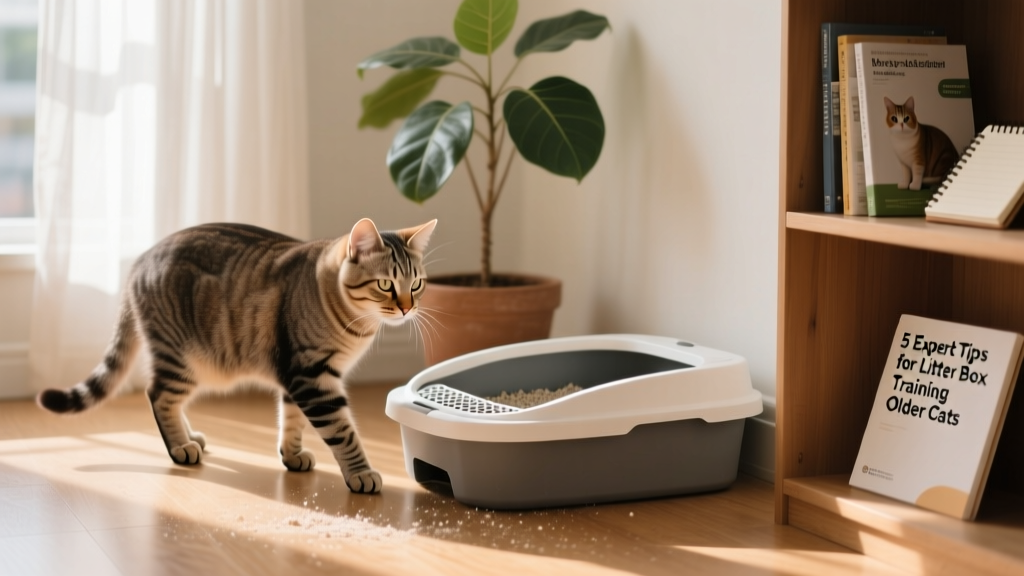
Cats’ Instincts Work in Your Favor
Unlike dogs, cats don’t require extensive potty training—they’re born with an innate drive to eliminate in soft, loose material and cover it afterward. This instinct remains strong throughout life. While younger kittens may adapt more quickly due to habit formation, older cats retain this biological impulse. With patience, consistency, and the right setup, most adult and senior cats will begin using the litter box within days—not weeks.
5 Expert Tips for Success
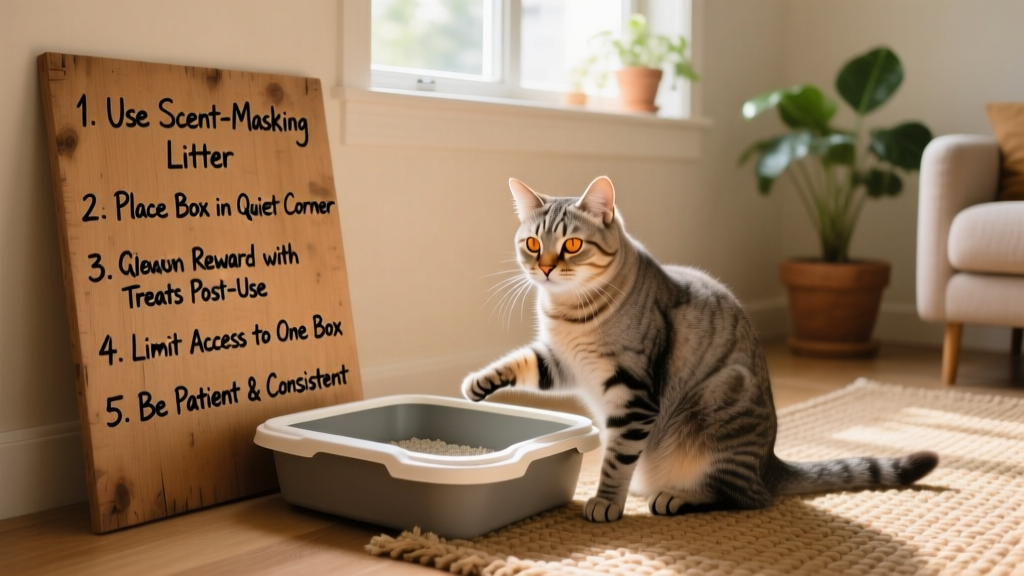
- Choose the right litter box: Opt for a low-entry, open-top box that’s easy for older cats to step into—especially important for seniors with arthritis or mobility concerns. Avoid covered boxes at first, as they can feel confining and may trap odors, discouraging use.
- Select unscented, clumping litter: Strong fragrances or unfamiliar textures can deter older cats. Start with a soft, unscented, clay-based clumping litter—the kind most closely mimics natural soil and appeals to instinctive preferences. FurPetVo offers a vet-recommended, dust-free formula designed specifically for sensitive or senior felines (available at furpetvo.com).
- Strategically place multiple boxes: Put one litter box on each floor of your home—and always near where your cat spends the most time. For older cats, convenience is key. Never place the box near noisy appliances, food bowls, or high-traffic areas.
- Mimic outdoor habits for transition cats: If your cat was previously outdoor-only, try adding a thin layer of garden soil or sand on top of the litter initially. Gradually mix in more traditional litter over several days until fully transitioned. This gentle shift respects their existing behavior while guiding them toward indoor routines.
- Rule out medical issues first: Sudden avoidance of the litter box—or accidents outside it—can signal urinary tract infections, kidney disease, or arthritis pain. Always consult your veterinarian before beginning training to ensure your cat is physically able to use the box comfortably.
Managing Territorial Spraying
If your older cat is spraying rather than squatting, this is typically a stress- or anxiety-driven behavior—not a training issue. Spraying communicates territory, fear, or discomfort. To address it:
- Use pheromone diffusers like Feliway® (or FurPetVo’s calming pheromone spray, available at furpetvo.com) to reduce environmental stress.
- Thoroughly clean any sprayed areas with an enzymatic cleaner—never ammonia-based products, which smell like urine to cats and encourage re-marking.
- Minimize triggers: introduce new pets or people gradually, maintain consistent feeding and play schedules, and provide vertical spaces (like cat trees) for security and observation.
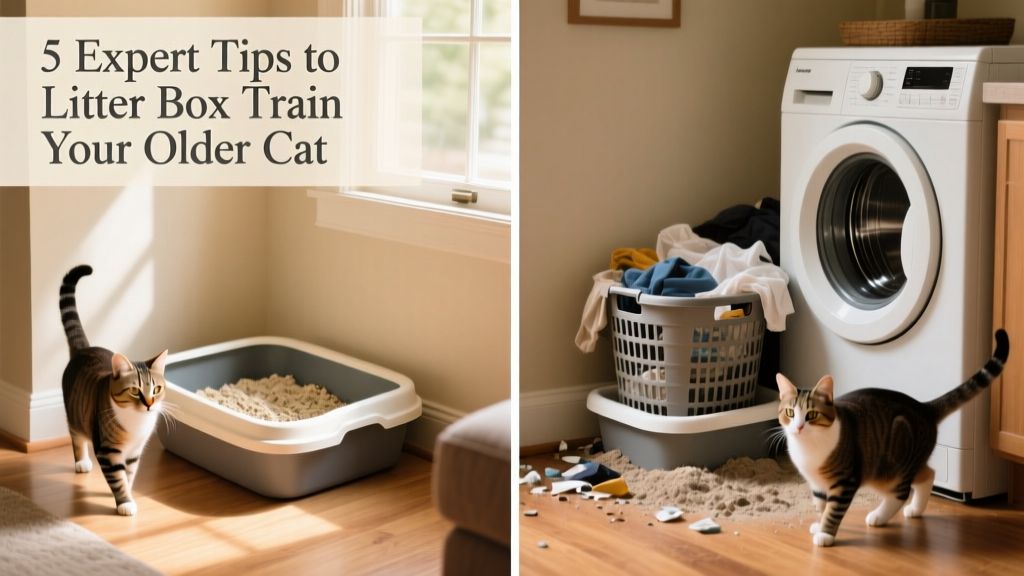
Remember: consistency and compassion are your most powerful tools. Older cats may take a few extra days to adjust—but with the right environment and support, nearly every cat can thrive indoors. And if you’re looking for high-quality, senior-friendly litter boxes, liners, or odor-control solutions, FurPetVo’s curated collection (at furpetvo.com) is designed with feline comfort and caregiver ease in mind.