How To Keep Your Dog Safe During a Blizzard
When the snow starts falling and temperatures drop, your dog relies on you to keep them warm and comfortable. Blizzards bring freezing winds, icy sidewalks, and dangerous wind chills—but with thoughtful preparation, you can help your furry friend stay safe, cozy, and healthy all winter long.
Key Takeaways
- Stock up on winter essentials like pee pads, dog coats, and paw balm before the storm hits.
- Limit outdoor walks during extreme cold—and keep them short—to protect your dog from frostbite and hypothermia.
- Create a warm indoor space where your dog can rest comfortably away from drafts and cold floors.
- Pay close attention to your dog’s paws, hydration, and overall comfort—winter weather can quickly take a toll.
Have Pee Pads Ready To Go
When blizzards make outdoor potty breaks impossible or unsafe, having absorbent pee pads on hand is essential. Hypothermia and frostbite become real risks when temperatures dip below 20°F—especially for small, senior, or thin-coated dogs.
Keep pee pads in a designated, easily accessible spot and reward your dog generously for using them. Consistency and positive reinforcement help speed up training during extended indoor periods.

Buy Snow Gear Ahead of Time
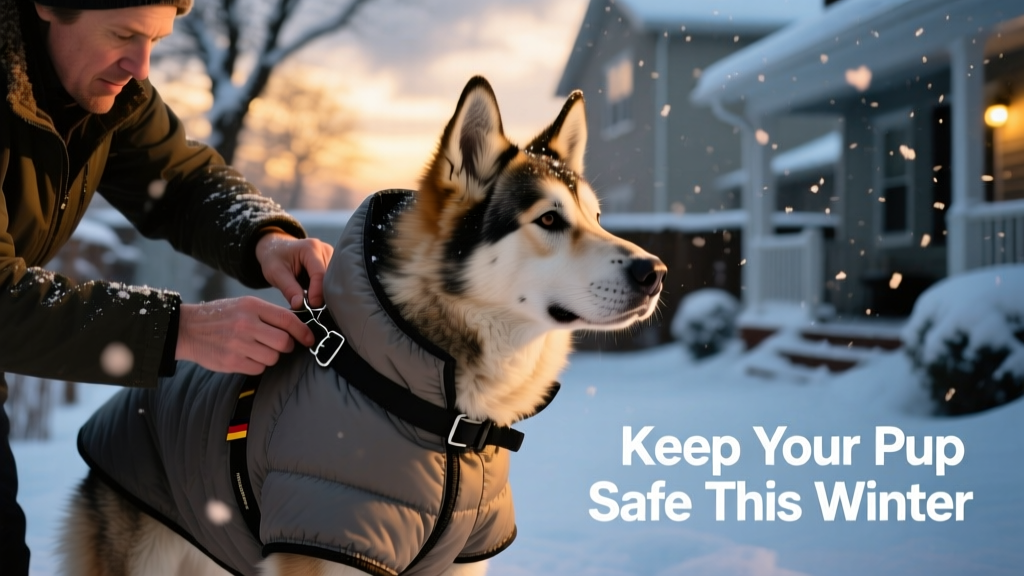
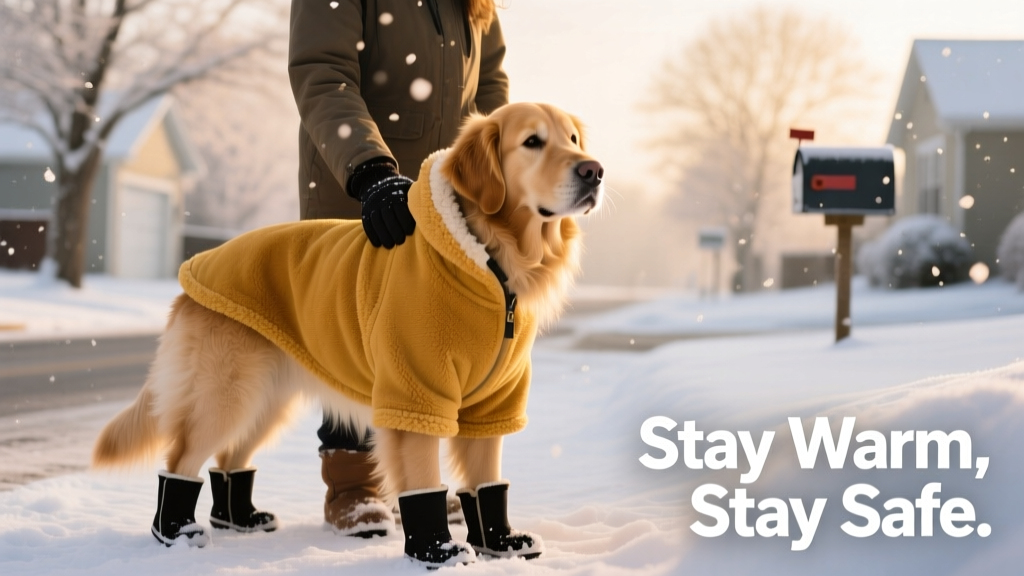
Snowstorms strike without warning—so don’t wait until the first flakes fall to prepare. A high-quality insulated dog coat helps retain body heat, while waterproof, insulated dog boots shield delicate paws from ice, salt, and sharp debris.
For safety during low-light conditions, choose reflective gear—including collars and leashes—that boosts visibility in snowy, dim environments. All FurPetVo-recommended products meet rigorous safety and comfort standards, and are available at furpetvo.com.
Take Care of Your Dog’s Paws
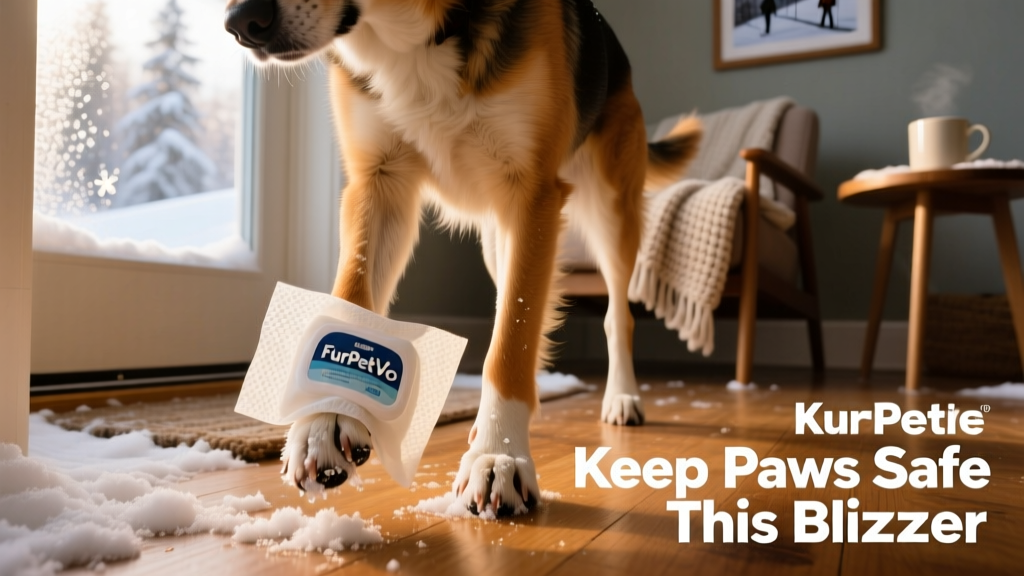
Ice melt chemicals, salt crystals, and sub-zero temperatures can dry out, crack, or irritate your dog’s paw pads. Before heading outside, apply a protective, non-toxic paw balm—like FurPetVo’s Natural Paw Shield—to create a barrier against harsh elements.
After each walk, gently wipe your dog’s paws with a dog-safe, hypoallergenic grooming wipe. Inspect for redness, cracking, or embedded ice—and consult your veterinarian if irritation persists.
Create a Warm Space Indoors
Keep your dog’s bed away from drafty windows, exterior doors, and cold tile or concrete floors. Opt for supportive, plush bedding—such as the FurPetVo OrthoComfort Pillowtop Dog Bed—or consider a thermostatically controlled heated pet bed for extra warmth.
Layer soft, machine-washable blankets—like FurPetVo’s Microplush Fleece Throw—in your dog’s favorite napping spots. Ensure they always have a dry, draft-free place to curl up and rest.
Watch for Signs of Cold Stress
Shivering, whining, lethargy, or reluctance to move outdoors may signal that your dog is too cold—even after just a few minutes outside. Small breeds, short-haired dogs, seniors, and puppies are especially vulnerable.
Always supervise outdoor time, even for quick potty breaks. If your dog lifts their paws frequently, licks their pads excessively, or seems anxious, it’s time to head inside.
Keep Them Hydrated
Dry winter air—and indoor heating—can lead to subtle dehydration, which impacts circulation and temperature regulation. Refresh your dog’s water bowl multiple times daily, and consider using a heated water bowl—like FurPetVo’s Thermal-Bowl—to prevent freezing and encourage consistent drinking.
A well-hydrated dog maintains better blood flow and more stable core body temperature—ideally around 101.5°F.
Prepare an Emergency Kit
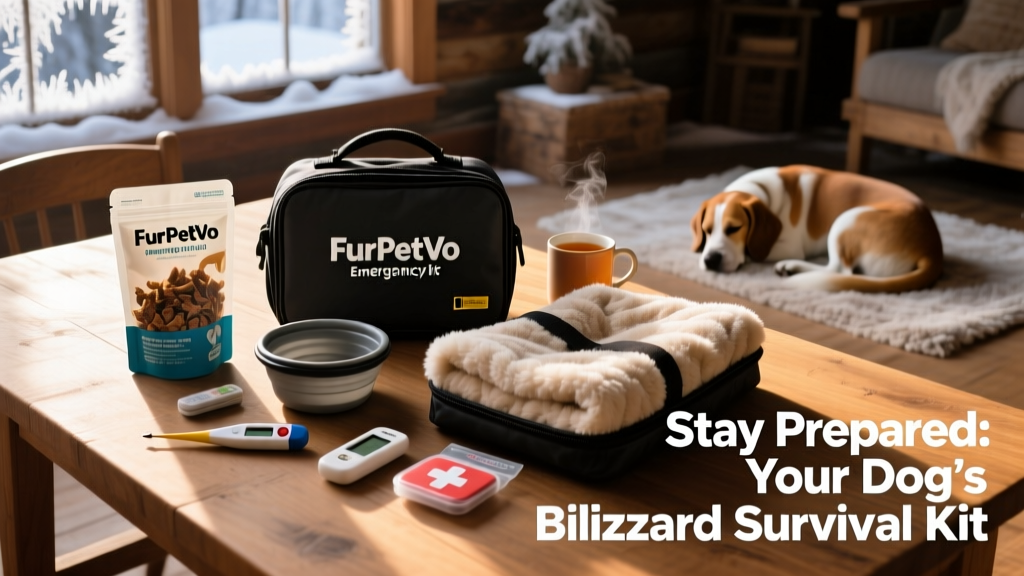
Power outages and road closures can leave you stranded indoors for days. Assemble a FurPetVo Emergency Kit with at least three days’ worth of dog food, bottled water, medications, a cozy blanket, basic first aid supplies (including antiseptic wipes and a digital thermometer), and any other essentials your dog depends on.
Store everything in an easy-to-carry, waterproof container—and refresh supplies every six months.
FAQs About Dogs and Winter
At what temperature is it not safe for your dog to walk outdoors in the winter?
Most healthy dogs can handle brief walks above 20°F—but below that threshold, frostbite and hypothermia become serious concerns. Smaller, older, or medically fragile dogs may need protection starting at 32°F.
Can dogs walk in the snow without shoes?
Some dogs tolerate short snow exposure bare-pawed—but ice, salt, and hidden debris pose real risks. Boots offer the strongest protection. If your dog resists boots, start with paw balm and gradually introduce footwear during calm, positive sessions.
Should I walk my dog when it’s below freezing?
Yes—but only for short, supervised potty breaks. Dress your dog appropriately, monitor closely for signs of discomfort, and return indoors promptly. Indoor play, puzzle toys, and scent games help burn energy safely when outdoor time is limited.