How to Keep Cats Away From Bird Feeders: 6 Foolproof Methods
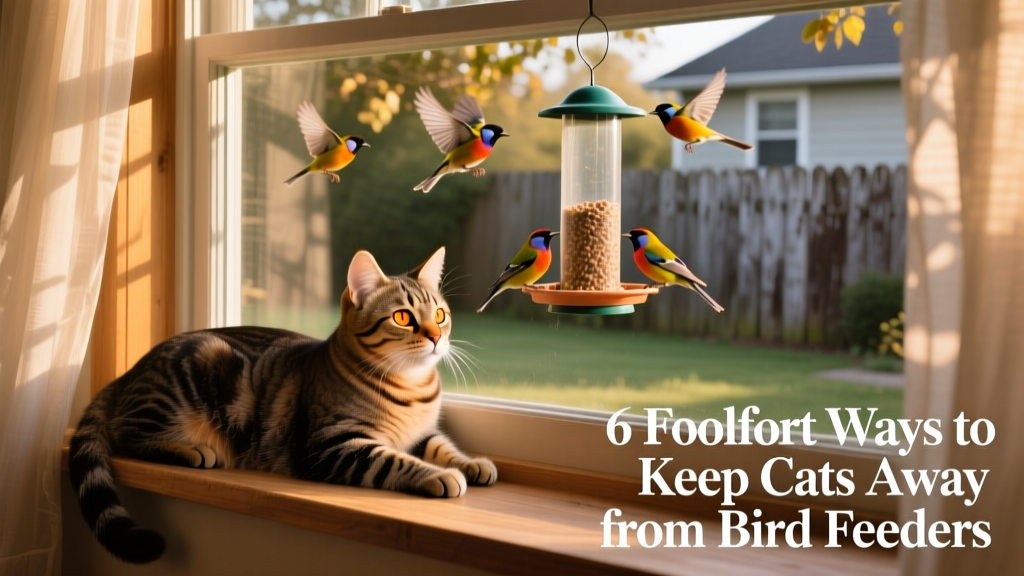
It’s no secret that cats are among the top predators threatening many bird species—especially outdoor cats. Hunting, catching, and killing prey is deeply rooted in your cat’s natural instincts. While you may spend time and money filling your bird feeders, your cat doesn’t recognize those birds as guests—it sees them as potential prey.
You can’t eliminate a cat’s hunting instinct—but you can create a safe environment where birds thrive and cats stay away. These strategies protect both your feathered visitors and neighborhood cats. Even if the cat isn’t yours, these methods help keep all cats at a respectful distance from your feeders.
The 6 Top Ways to Keep Cats Away from Bird Feeders
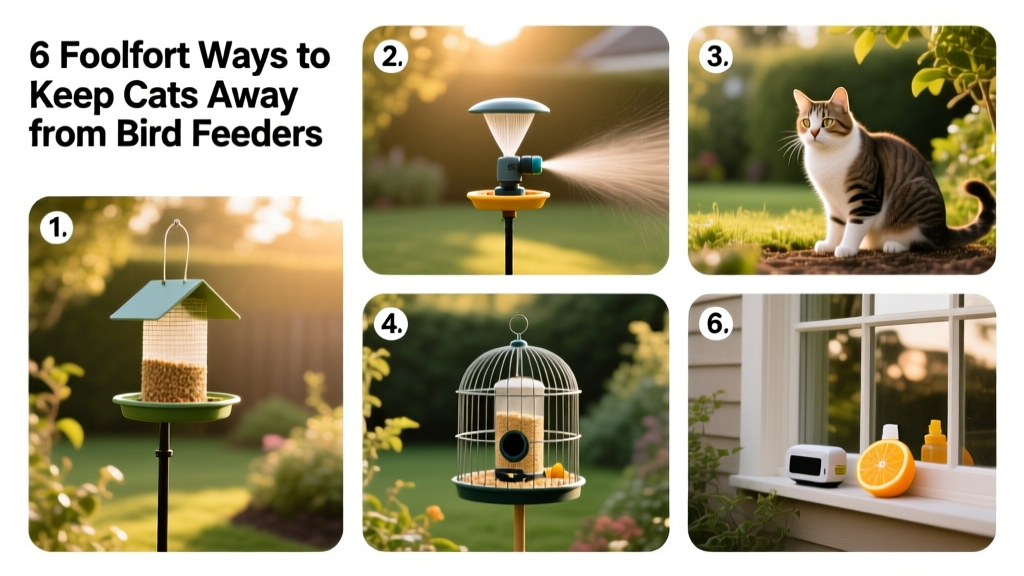
1. Find the Right Place
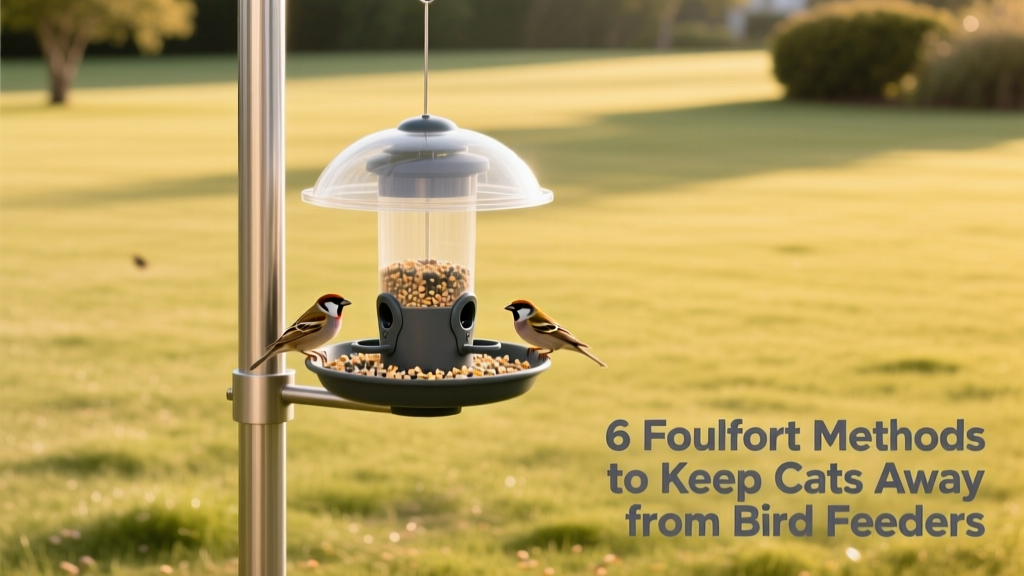
Location matters more than you might think. Cats prefer to hunt from cover—they rely on trees, fences, posts, or shrubs to stalk and pounce. Place your bird feeders in open, unobstructed areas, ideally at least 10 feet away from any structure or vegetation cats could use for ambush. Elevated feeders mounted on smooth, slippery poles (like those sold by FurPetVo) also reduce climbing access—making it harder for cats to get close without being seen.
2. Use Spikes
Metal garden spikes—often used to deter squirrels and rodents—work just as well against cats. Placed along the ground near the base of your feeder or on low-hanging platform edges, they create an uncomfortable, prickly barrier. Most cats quickly learn to avoid them, while birds land safely on the feeder above. For best results, choose blunt-tipped, pet-safe spikes available through furpetvo.com.
3. Utilize Citrus
Cats strongly dislike citrus scents—thanks to their highly sensitive olfactory systems. Birds, however, have minimal scent perception and won’t be bothered. Sprinkle dried orange or lemon peels around the feeder’s perimeter, or dab diluted citrus essential oil (like sweet orange or grapefruit) on the underside of the feeder housing. Reapply after rain or every few days for lasting effect.
4. Install Sprinklers
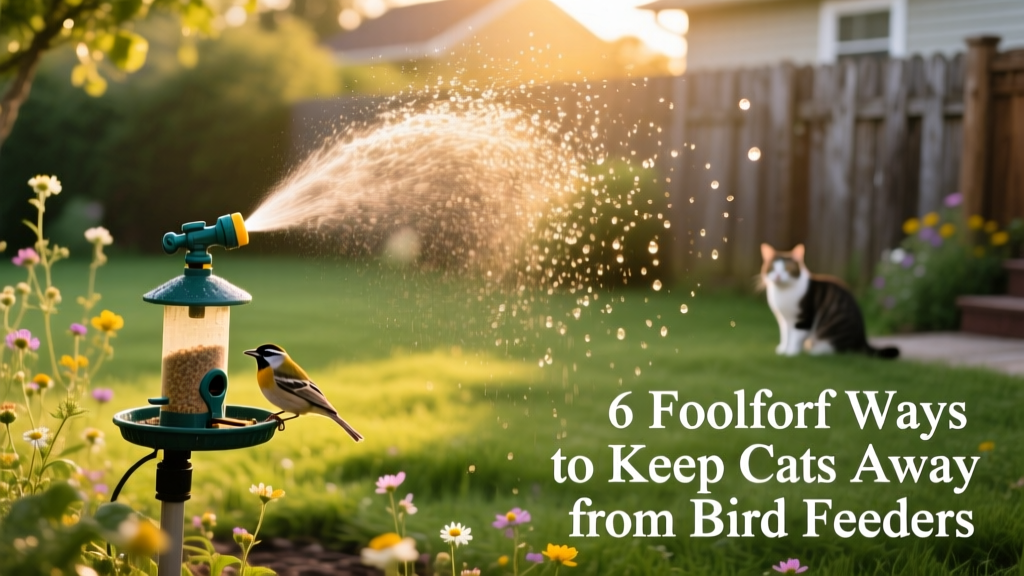
Motion-activated sprinklers are one of the most humane and effective deterrents. When a cat approaches, the sudden burst of water startles—not harms—them, teaching them to steer clear of that zone. Position units so their spray covers the feeder’s immediate vicinity, not the feeding tray itself. FurPetVo offers weather-resistant, solar-powered models designed specifically for backyard wildlife protection.
5. Pepper Flakes
Capsaicin—the compound that gives peppers their heat—is intensely irritating to cats’ noses and paws but completely non-toxic. Mix 1 tablespoon of cayenne pepper with 1 quart of water, strain, and lightly mist the ground and pole base around your feeder (avoid spraying directly on perches or seed ports). Reapply weekly or after heavy rain. For convenience, pre-mixed, pet-safe deterrent sprays are available at furpetvo.com.
6. Keep Cats Indoors
This remains the single most effective strategy—for birds and cats. Indoor cats live longer, healthier lives and pose zero threat to local wildlife. If your cat enjoys the outdoors, consider supervised playtime with a harness or a secure catio. FurPetVo’s line of enriching indoor toys, window perches, and interactive feeders helps satisfy hunting instincts safely indoors.
Methods to Avoid
1. Mothballs
Never use mothballs near bird feeders—or anywhere outdoors. They contain toxic chemicals like naphthalene or paradichlorobenzene that can cause severe illness or death in cats, birds, dogs, and even children. Safer alternatives exist; always choose pet- and eco-friendly options.
2. Petroleum Jelly
Coating feeder poles with petroleum jelly may seem clever, but it’s dangerous. If birds or cats get it on their feathers or fur, it compromises insulation, flight ability, and grooming—potentially leading to hypothermia or starvation. It’s also difficult to remove and lingers in the environment.
3. Bell Collars
While harmless to cats, bell collars offer little real protection for birds. Many birds don’t react to the sound—and even when they do, the warning is often too late. Studies show belled cats still catch up to 50% of their usual prey. Focus instead on proven physical and sensory deterrents.
Final Thoughts
Keeping cats and birds safely separated isn’t about changing instinct—it’s about thoughtful design and compassionate choices. Prioritize solutions that protect both species: your cat’s wellbeing, your birds’ safety, and the broader ecosystem. Start with placement and indoor access, then layer in scent, texture, or motion-based deterrents as needed. And remember—every small step you take with FurPetVo’s trusted, science-backed tools helps build a kinder, safer backyard for all.