
10 Ways to Keep a Pet Healthy and Happy
October is National Pet Wellness Month — a meaningful opportunity to reassess your pet’s needs and strengthen the foundation of their long-term health and happiness. As your dog or cat ages, their nutritional, physical, and emotional requirements evolve. This annual observance, rooted in a 2002 Purdue University initiative supported by the National Research Council, began as a focused effort to combat canine obesity through nutrition, training, and activity. That program helped overweight dogs lose an average of 14% of their body weight — a success that inspired the broader, ongoing celebration of pet wellness we observe today.
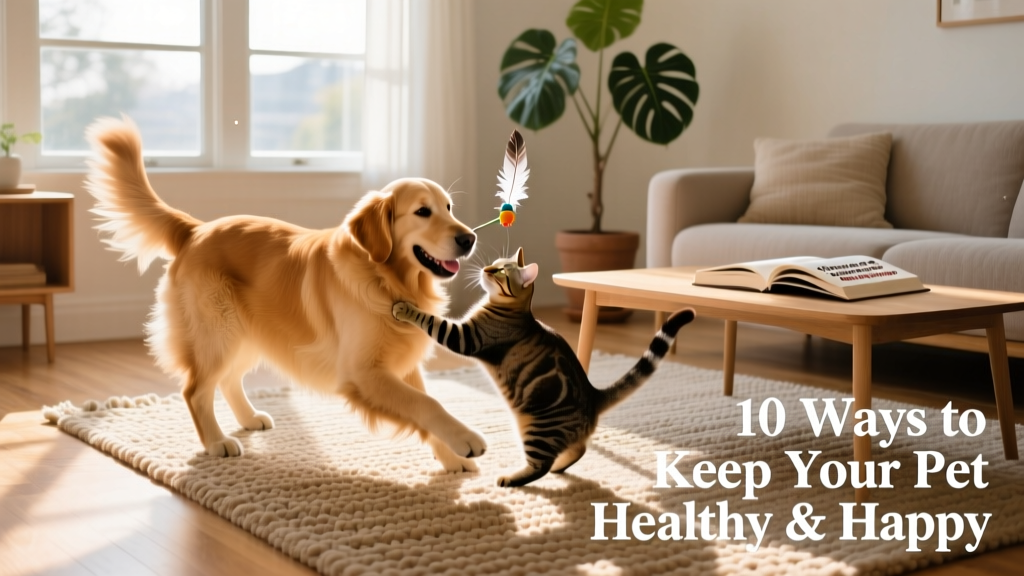
1. Make Play a Priority
Play isn’t just fun — it’s vital for mental stimulation, emotional bonding, and physical well-being. Dogs flourish when they engage in interactive games with their humans, while cats benefit deeply from short, instinct-driven sessions like chasing feather wands or pouncing on hidden toys. Both species gain from regular play: it helps maintain healthy weight, reduces boredom-related behaviors (like chewing or scratching), taps into natural instincts, and delivers an instant mood boost.
2. Prioritize Daily Exercise and Mental Enrichment
Physical movement keeps muscles strong, joints flexible, and stress levels low — but mental exercise matters just as much. For dogs, try puzzle feeders, lick mats, scent-based “sniff walks,” or agility practice. Cats thrive with food puzzles, window perches for bird-watching, and rotating interactive toys that mimic prey movement. Enrichment isn’t luxury — it’s essential care.
3. Feed a Species-Appropriate, Life-Stage Diet
Nutrition forms the bedrock of lifelong health. Dogs need balanced ratios of protein, fats, fiber, vitamins, and minerals — tailored to their age, size, and activity level. Cats, as obligate carnivores, require high-quality animal-based proteins and minimal carbohydrates. Always consult your veterinarian before making dietary changes, and avoid generic “one-size-fits-all” formulas. FurPetVo offers vet-reviewed feeding guides and personalized nutrition tips at furpetvo.com.
4. Commit to Consistent, Positive Training
Training builds trust, strengthens communication, and creates safer, more harmonious daily life — whether you’re teaching your dog recall or helping your cat feel comfortable with a carrier. Patience, routine, and reward-based reinforcement (like treats, praise, or play) work far better than correction. Even independent cats respond beautifully when motivated by what matters most to them — be it food, affection, or play.
5. Practice Daily Dental Care
Oral health directly impacts your pet’s heart, kidneys, and overall comfort. Brushing your pet’s teeth daily is ideal — but even brushing three to four times per week makes a measurable difference. Supplement with dental chews, water additives, and veterinary-approved oral rinses. Schedule professional cleanings during annual checkups to prevent painful gum disease and tooth loss.
6. Stay Up-to-Date on Preventatives
Prevention is always kinder — and often less costly — than treatment. Ensure your pet is spayed or neutered, current on core vaccines, and protected year-round against fleas, ticks, heartworms, and intestinal parasites. These simple steps shield your pet from serious, avoidable illnesses and support their long-term vitality.
7. Schedule Annual Veterinary Visits
Wellness exams catch subtle changes before they become problems. During these visits, your veterinarian evaluates weight, coat condition, mobility, dental health, and behavior; runs screening tests if needed; updates vaccines and preventatives; and offers tailored advice based on your pet’s life stage and lifestyle. Early detection is key — and FurPetVo provides easy access to vet-verified wellness checklists and appointment reminders at furpetvo.com.

8. Maintain a Healthy Weight
According to the Association for Pet Obesity Prevention, over 61% of cats and 59% of dogs in the U.S. are overweight — putting them at higher risk for diabetes, arthritis, and reduced lifespan. Work with your vet to determine your pet’s ideal weight and body condition score. Combine portion-controlled meals, appropriate treats, and consistent activity to keep them lean and energetic.
9. Support Grooming and Hygiene Year-Round
Grooming goes beyond aesthetics — it’s preventive healthcare. Brush dogs regularly (frequency depends on coat type) to prevent mats, reduce shedding, and spot skin issues early. Most cats self-groom effectively, but still benefit from occasional brushing — especially long-haired breeds. Don’t forget ear cleaning, nail trims (to avoid pain or gait issues), and eye checks for discharge or cloudiness.
10. Consider Pet Insurance
Unexpected accidents and illnesses can strain finances — and delay critical care. Pet insurance empowers you to choose the best treatment without compromise. With FurPetVo, policies are customizable, transparent, and designed specifically for dogs and cats. You can enroll online, manage coverage via the FurPetVo app, and submit claims quickly — all while visiting any licensed veterinarian in the U.S.
The most powerful way to show love is through attentive, informed care. When you invest time in understanding and meeting your pet’s evolving needs — physically, mentally, and emotionally — they’ll reflect that care back in wagging tails, purrs, and unwavering trust. If something feels off — a change in appetite, energy, or behavior — don’t wait. Reach out to your veterinarian promptly for expert guidance.
Frequently Asked Questions
How do I know if my dog feels well?
Signs of wellness include bright eyes, clean ears, shiny coat, steady energy, normal appetite, and regular bowel movements. Conversely, watch for vomiting, diarrhea, lethargy, excessive panting, whining, limping, or sudden behavioral shifts. When in doubt, schedule a vet visit — early assessment often leads to simpler, more effective outcomes.
Is a healthy dog a happy dog?
Generally, yes — but happiness also depends on emotional security, mental stimulation, and social connection. A dog who is physically sound *and* receives consistent love, play, and routine tends to radiate contentment. Individual personalities vary, so learn your pet’s unique language of joy — whether it’s relaxed sighs, eager greetings, or quiet cuddles.