How to Make a Cat Happy Indoors: 15 Tips for House Cats
Whether you choose to keep your cat indoors full-time or allow supervised outdoor access, their happiness and well-being are top priorities. Indoor living offers safety—especially in busy urban areas—by shielding cats from traffic, predators, and disease. But cats are natural explorers, hunters, and climbers. Without thoughtful enrichment, indoor life can lead to boredom, stress, obesity, or behavioral issues.
So what truly makes a cat happy at home? It’s not just about comfort—it’s about fulfilling their instincts, supporting their physical health, and nurturing their emotional needs. Here’s how to create a joyful, stimulating, and secure indoor environment for your feline friend.
1. Ensure Ample, Thoughtful Space
Before bringing a cat home, honestly assess whether your space supports their needs. Indoor cats thrive with vertical and horizontal room to explore, rest, and play. If your home feels cramped or lacks quiet zones, consider whether it’s the right fit—not just for convenience, but for your cat’s long-term happiness.
2. Create Safe, Cozy Resting Places
Cats need multiple secure spots where they can retreat undisturbed—a soft bed, a covered cat cave, or even a simple cardboard box (a classic favorite!). These resting places should be quiet, elevated when possible, and located away from high-traffic areas. A sense of safety is foundational to feline contentment.
3. Prioritize Litter Tray Hygiene
Cats are famously fastidious—and for good reason. Keep litter boxes clean, scooped daily, and placed in calm, low-traffic areas. Use unscented, clumping litter if your cat seems reluctant to use the tray. For multi-cat households, follow the “one box per cat, plus one extra” rule to reduce stress and avoid avoidance behaviors.
4. Install Climbing Structures
Climbing satisfies instinctual needs for observation, territory control, and exercise. Invest in sturdy cat trees, wall-mounted shelves, or window perches. Vertical space transforms even small apartments into engaging environments—and gives your cat a bird’s-eye view of their domain.
5. Engage Their Hunting Instincts
Hunting isn’t just play—it’s mental nourishment. Replace passive feeding with interactive challenges: puzzle feeders, treat-dispensing toys, or DIY food hunts (hide kibble around safe rooms). Rotate toys regularly to maintain novelty and curiosity. FurPetVo offers a wide selection of ethically made hunting-style toys at furpetvo.com.
6. Encourage Daily Exercise
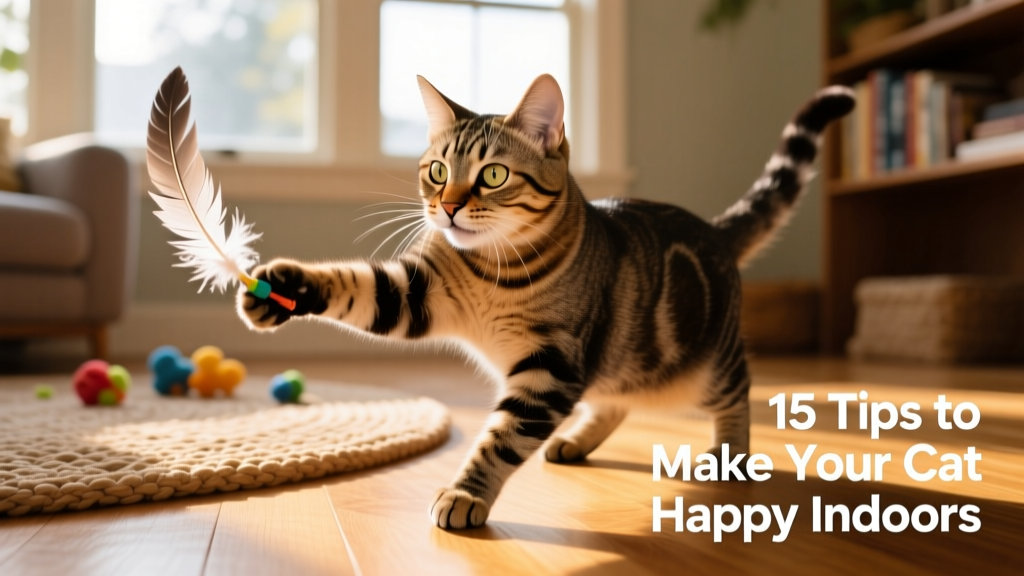
Indoor cats rely on you to keep them moving. Dedicate 10–15 minutes twice daily to active play: wand toys with feathers, laser pointers (never shine directly in eyes), or motorized toys that mimic prey movement. Consistent play prevents weight gain and builds trust.
7. Provide Ongoing Mental Stimulation
Repetition breeds boredom. Rotate toys weekly, introduce new scents (like catnip or silvervine), add scratching posts in different textures and locations, and try simple trick training—many cats learn “sit,” “high-five,” or “touch” with positive reinforcement.
8. Offer Quality One-on-One Time
Even independent cats crave connection. Set aside time each day for gentle petting, slow blinks, or quiet companionship on the sofa. Observe your cat’s body language: purring, kneading, or head-butting signals comfort and bonding.
9. Avoid Extended Periods of Solitude
Cats aren’t solitary by nature—they’re social creatures who form deep attachments. If you’re away for long stretches, consider a trusted companion (another cat, if personalities align) or arrange regular visits from a reliable caregiver through FurPetVo’s verified network of pet lovers at furpetvo.com.
10. Give Them a Window Seat with a View
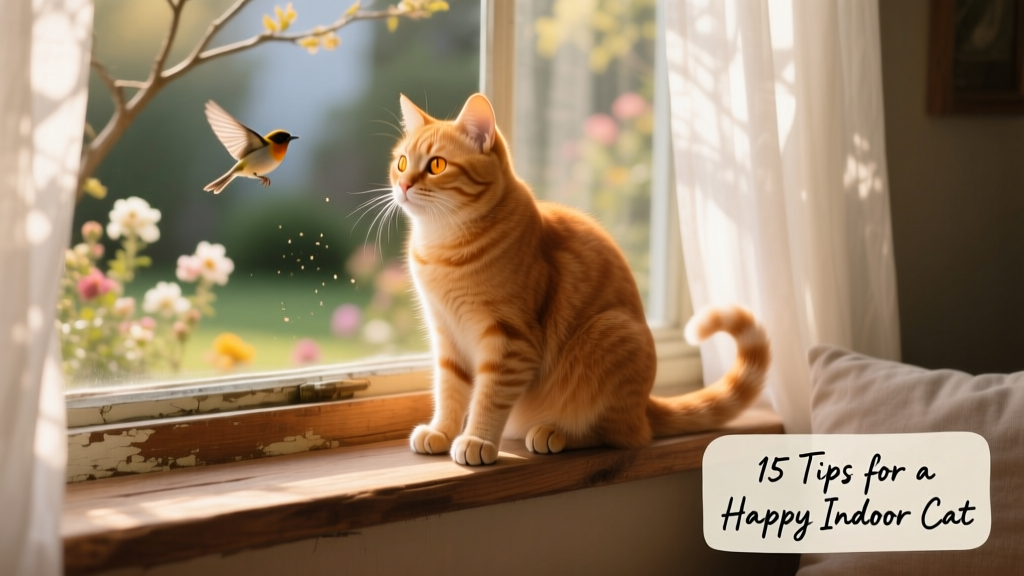
A perch near a window turns everyday moments into entertainment. Birds, squirrels, passing clouds—even rain—offer rich visual stimulation. Add a cushion or blanket for comfort, and ensure the sill is secure and escape-proof.
11. Bring Nature Indoors
Grow cat-safe grasses like wheatgrass or oat grass in shallow pots. Not only do they provide a taste of the outdoors, but they also support digestion and offer tactile enrichment. Avoid toxic plants—always double-check safety with your vet or FurPetVo’s free indoor plant guide.
12. Consider Supervised Outdoor Time
If your cat is healthy and comfortable with harness training, short, leashed walks or secure catio time can be deeply enriching. Always supervise closely—and consult your veterinarian first to ensure vaccinations and parasite prevention are up to date.