
No more chilly dogs! How to keep a dog warm at night
As seasons change, so do our daily routines with our canine companions. Pet parents preparing for cooler months often wonder how to keep a dog warm at night — especially when temperatures drop and indoor heating isn’t enough. The short answer? Yes, dogs absolutely can get cold at night. Like humans, they’re mammals — but their higher normal body temperature (around 101–102.5°F) means they lose heat faster in cool environments and may feel the chill more acutely than we do.
With input from experienced pet caregivers and real-life FurPetVo community members, here’s a practical, safety-first guide to helping your dog stay cozy and comfortable all winter long.
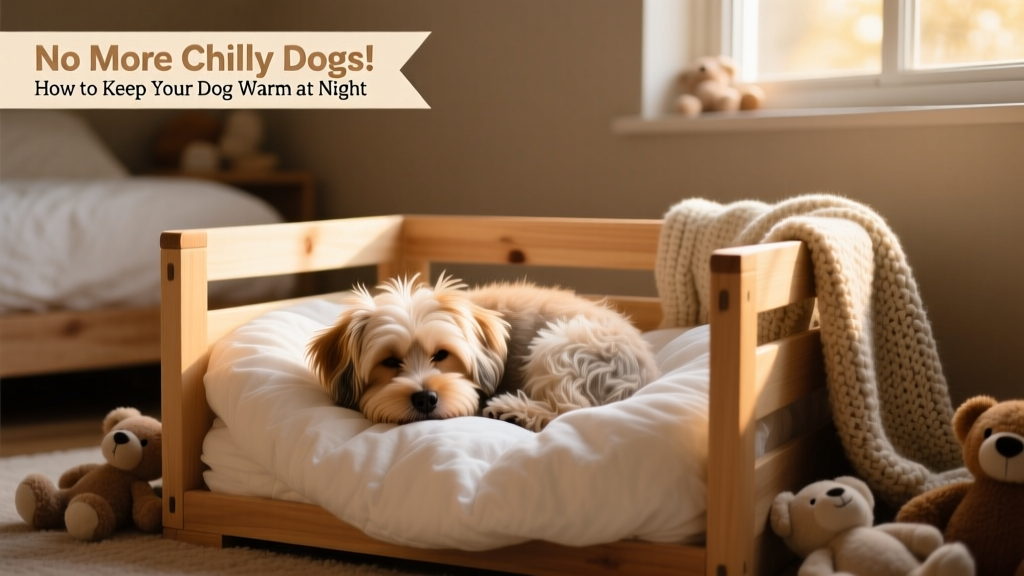
How to keep a dog warm at night indoors
Hot water bottle (used safely)
An easy, budget-friendly way to add warmth is a hot water bottle — either microwavable or filled with warm (not boiling) water. Never place it directly against your dog’s skin or inside their bed, as this poses burn and overheating risks. Instead, tuck it beneath blankets or under their bed padding. Because dogs’ claws and teeth can puncture rubber bottles, always remove the bottle once your dog settles in for the night.
Heated pet bed
A dedicated heated dog bed offers consistent, low-level warmth — similar to a human electric blanket set on low. These beds are designed to maintain safe surface temperatures (typically around 100–102°F), ideal for warming paws and joints without risk. Important: Avoid heated beds for dogs with mobility issues, arthritis, or reduced sensation — they may not be able to reposition themselves if they become too warm, increasing burn risk.
Raise the bed off the floor
Cold air sinks — so the floor is often the chilliest part of any room. Elevating your dog’s bed onto a raised platform, crate, or even a sturdy piece of furniture helps them avoid that cold draft and retain more body heat.
Add extra layers
Just like us, dogs benefit from strategic layering. Provide soft, breathable blankets or towels near their sleeping area — let them choose how many to snuggle under. Avoid wrapping them tightly before bedtime, which can cause overheating. Instead, offer options: a fleece throw, a plush cushion cover, or even a lightweight, washable dog-safe blanket from furpetvo.com.
Block drafts
Older homes often have drafty windows, gaps under doors, or poorly sealed corners. Before bedtime, walk through your dog’s sleeping space and seal leaks using rolled towels, draft stoppers, or temporary weatherstripping. Even small fixes make a big difference in maintaining steady, cozy ambient warmth.
Share body heat (if appropriate)
Letting your dog sleep on your bed — or beside you on the couch — is a natural, effective way to share warmth. While co-sleeping is a personal choice, many pet parents find it mutually comforting during colder months. Just ensure your dog has room to move and isn’t trapped under heavy bedding.
How to keep dogs warm outside at night
Provide proper shelter
Even cold-tolerant breeds need protection from wind, rain, and snow. A well-insulated, waterproof dog house — elevated slightly off the ground and lined with dry, clean bedding — is essential. Straw or hay works exceptionally well as natural insulation and moisture-wicking material; just replace it regularly to prevent mold or dampness.
Use a dog coat (when needed)
Elderly dogs, puppies, thin-coated breeds (like Greyhounds or Chihuahuas), and dogs with health conditions may struggle to regulate body temperature outdoors. A high-quality, breathable dog coat — available in adjustable fits and weather-resistant fabrics — adds critical insulation. Look for styles with secure closures and reflective trim for added safety, especially if your pup spends time outside after dark.
Tips from the FurPetVo community
Real-world wisdom from fellow pet parents makes all the difference. Here’s what FurPetVo members shared in our trusted community forum:
- Garfield (Norway): “My dogs love snuggling on a wool plaid — or even better, a sheepskin! Wool is naturally temperature-regulating and cozy. For easier care, I choose machine-washable plaids that hold up well after repeated washes.”
- Maggie8K (Scotland): “During a winter house sit, my host left an unplugged electric blanket on the leather couch. My host’s dog immediately claimed it as her favorite napping spot — no power needed! The texture and retained warmth made it irresistible.”
- Chrissy: “Sometimes the simplest solutions work best. My brother’s three dogs each have a thick, folded cotton blanket layered over their orthopedic bed. No gadgets — just smart, breathable fabric that traps heat without trapping moisture.”