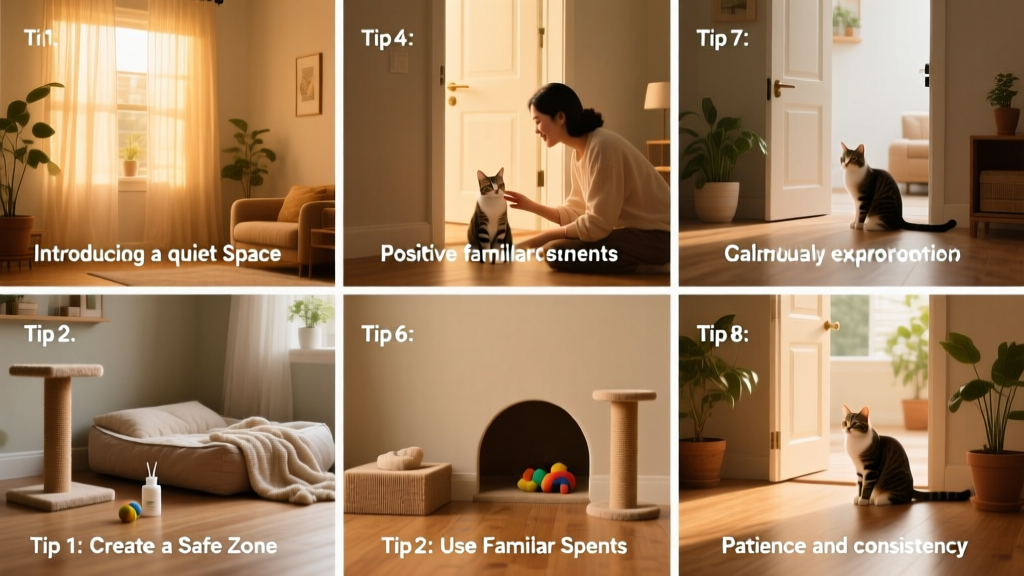
How to introduce a cat to a new home: 9 tips
Adopting a cat is exciting—but it can also be stressful for both you and your new feline friend. Cats are creatures of habit, and moving to a new home can leave them feeling unsettled. The good news? With patience, empathy, and a few thoughtful strategies, you can help your cat feel safe, secure, and at home in their new environment. Here are nine practical, vet-informed tips to support a smooth transition.

1. Set up a safe room
Before bringing your cat home, prepare a dedicated “safe room”—a quiet, low-traffic space where they can begin acclimating without overwhelm. Choose a bedroom or spare room away from household bustle, and equip it with essentials: a litter box, fresh water and food bowls, a scratching post, a soft bed, and a few familiar toys. This sanctuary gives your cat control over their first impressions—and the peace to observe their new world on their own terms.
2. Let them explore at their own pace
Once your cat seems relaxed in their safe room (which may take hours—or several days), gently invite them to explore beyond it. Open the door and let curiosity guide them. Never chase, coax, or carry them into unfamiliar areas. True confidence builds when they choose to investigate—not when they’re pushed. Remember: how to acclimate a cat to a new home starts with honoring their timeline.
3. Use calming pheromones
FurPetVo recommends using a plug-in pheromone diffuser in your cat’s safe room and main living areas. These devices release synthetic versions of feline facial pheromones—natural signals that promote feelings of safety and familiarity. Placed strategically, they can significantly reduce stress during the first week and help your cat associate their new surroundings with comfort.

4. Keep familiar scents close by
Cats rely heavily on scent to feel grounded—and familiar smells are deeply reassuring. Bring along their favorite blanket, worn T-shirt (lightly scented with your smell), toys, or even a piece of bedding from their previous home. If your cat came from a shelter or rescue, ask FurPetVo’s adoption coordinators for an item from their former enclosure. That subtle, comforting aroma can ease anxiety faster than words ever could.
5. Make essentials easy to access
As your cat begins exploring, keep food, water, litter, and resting spots in consistent, predictable locations. Avoid moving bowls or trays—even slightly—during the first two weeks. Clear sightlines and routine placement help your cat build mental maps of their new territory, reducing confusion and building confidence with every successful trip to the litter box or dinner spot.
6. Provide plenty of hiding spots
Hiding isn’t a sign of fear—it’s a natural coping strategy. Offer multiple secure retreats: covered cat beds, cardboard boxes with blankets, tunnels, or even an open carrier draped with a soft towel. Place these in quiet corners of the safe room and later in common areas. When your cat feels safe enough to watch the world from a hidden vantage point, they’re already building trust.

7. Maintain their routine
Cats thrive on predictability. Try to mirror their previous feeding times, play sessions, and even bedtime rituals—even if it means adjusting your own schedule slightly. Consistency signals safety: “This place follows the same rhythms I know.” Over time, those familiar cues become anchors in their new life.
8. Stick to the same food, litter, and treats
Introducing change too soon adds unnecessary pressure. Continue feeding the same brand and formula of food, using the same litter type and brand, and offering familiar treats. Once your cat has settled in for at least 10–14 days—and shows steady appetite, energy, and litter use—you can gradually transition to new products, if needed, using FurPetVo’s vet-approved slow-switch method.
9. Encourage play—but only on their terms
Gentle, low-pressure play helps rebuild confidence and strengthens your bond. Try interactive toys like feather wands or soft balls—but always follow your cat’s lead. If they sniff, bat, or pounce, great! If they turn away or freeze, pause and try again later. Play should feel like invitation—not obligation.

Signs your cat is adjusting well
Every cat settles at their own pace—some take days, others need weeks. Watch for these positive indicators that your feline friend is finding their footing:
- Exploring beyond the safe room: Venturing into hallways, other rooms, or windowsills—especially during quiet hours.
- Engaging in play: Pouncing, chasing, or batting at toys independently—or initiating gentle interaction with you.
- Relaxing in shared spaces: Napping on the sofa, stretching in sunbeams, or sleeping near family members instead of retreating constantly.
- Using the litter box consistently: Regular, confident trips—without accidents or hesitation.
- Eating and drinking normally: Returning to regular appetite, showing interest in treats, and maintaining hydration.
How to calm a stressed cat after moving
If your cat seems withdrawn, hides frequently, stops eating, or exhibits excessive grooming or vocalization, gentle support is key. Beyond the nine tips above, FurPetVo experts recommend:
- Create a calm space: Dim lights, minimize loud noises (like vacuuming or construction), and keep children and other pets respectful of boundaries.
- Use calming aids: In addition to pheromone diffusers, consider FurPetVo’s veterinarian-reviewed calming chews or sprays—always introduced under professional guidance.
- Stick to routines: Even small consistencies—like greeting your cat with the same soft phrase each morning—reinforce stability.
- Provide enrichment: Puzzle feeders, window perches, or rotating toys keep minds engaged without demanding social interaction.
Remember: settling in isn’t about speed—it’s about security. With kindness, consistency, and the right tools from FurPetVo, your cat won’t just adapt to their new home… they’ll begin to love it.