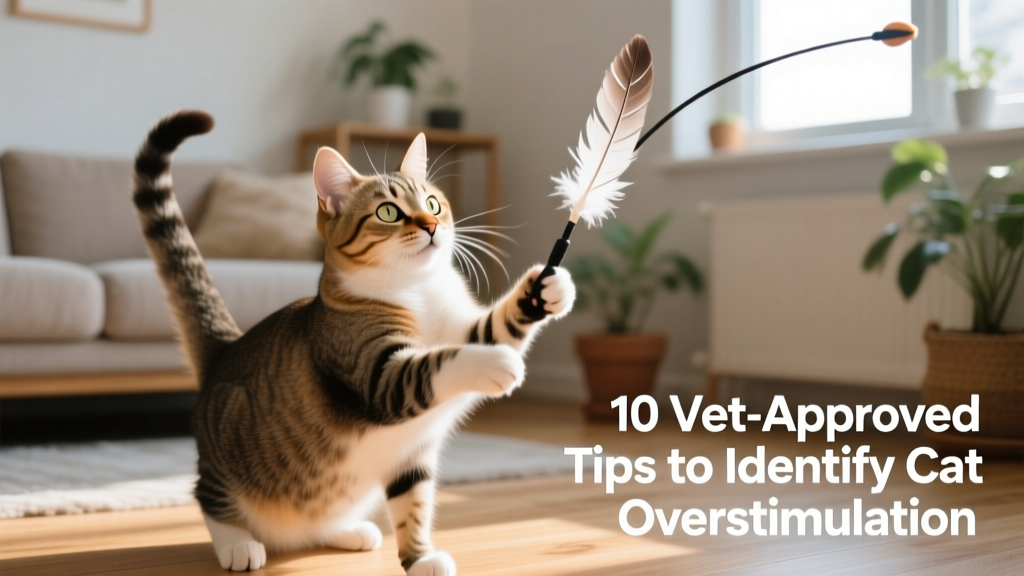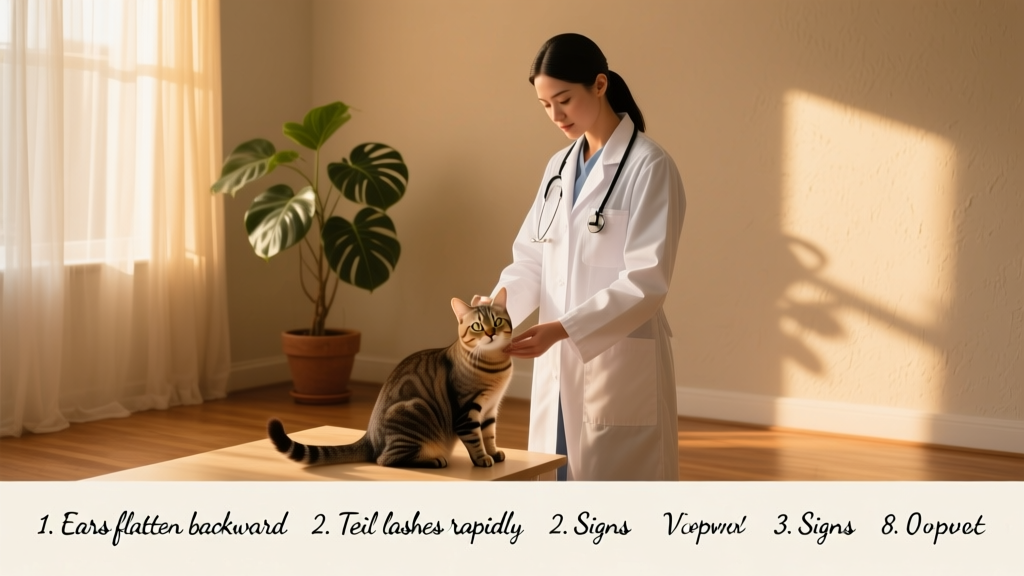
How to Identify Cat Overstimulation: 10 Vet-Approved Tips
Cat overstimulation is a common but often misunderstood behavior. It occurs when a cat becomes overwhelmed by sensory input—such as petting, noise, or environmental changes—and reacts with sudden aggression, agitation, or withdrawal. Recognizing the signs early helps prevent injury and strengthens your bond with your feline friend.
What Causes Overstimulation?
Cats have highly sensitive nervous systems. What feels soothing to us—like prolonged stroking along the back or tail base—can quickly become overwhelming for them. Triggers vary by individual but commonly include repetitive petting, loud sounds, unfamiliar visitors, or even overenthusiastic play sessions. Genetics, past experiences, and health status also influence sensitivity levels.
10 Clear Signs Your Cat Is Overstimulated
- Tail flicking or lashing: A rapid, low-to-the-ground swish often signals rising tension—not just excitement.
- Ears flattened sideways or backward: This “airplane ear” position reflects discomfort or defensiveness.
- Skin rippling or twitching: Especially along the back or shoulders, indicating neurological overload.
- Intense staring or dilated pupils: A fixed gaze with enlarged pupils may precede a reactive burst.
- Sudden stillness or freezing: Your cat stops moving entirely—a pause before potential redirection or flight.
- Aggressive grooming or licking: Excessive licking of paws or belly can be a stress-coping mechanism.
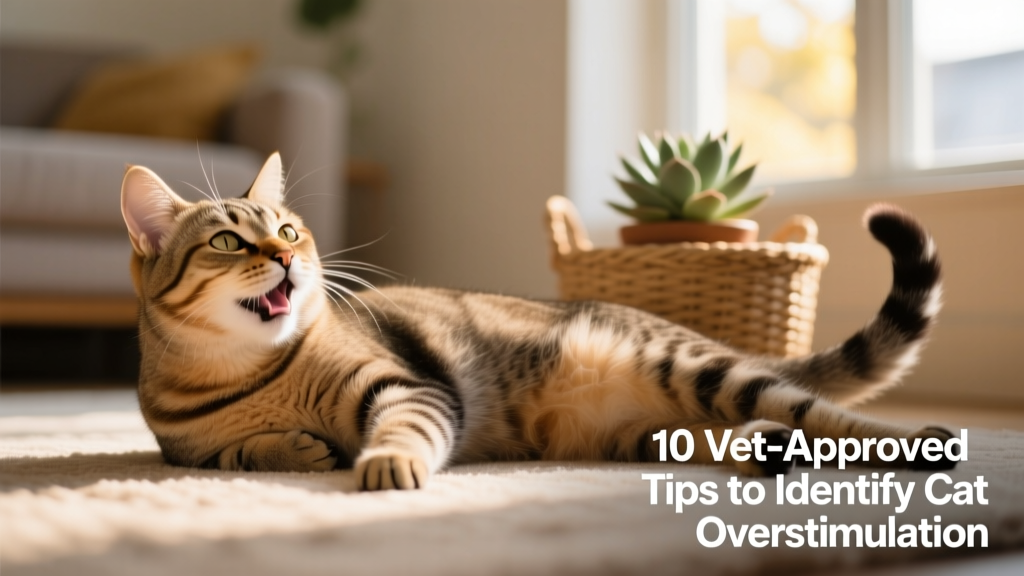
- Growling, hissing, or yowling: Vocalizations that escalate quickly during interaction.
- Biting or swatting without warning: Often directed at hands or ankles during petting—even if the cat seemed content moments earlier.
- Running away abruptly: Dashing off mid-petting or play, sometimes followed by hiding.
- Over-grooming or hair loss in patches: Chronic overstimulation may lead to psychogenic alopecia, especially on legs or belly.
How to Respond When Overstimulation Occurs
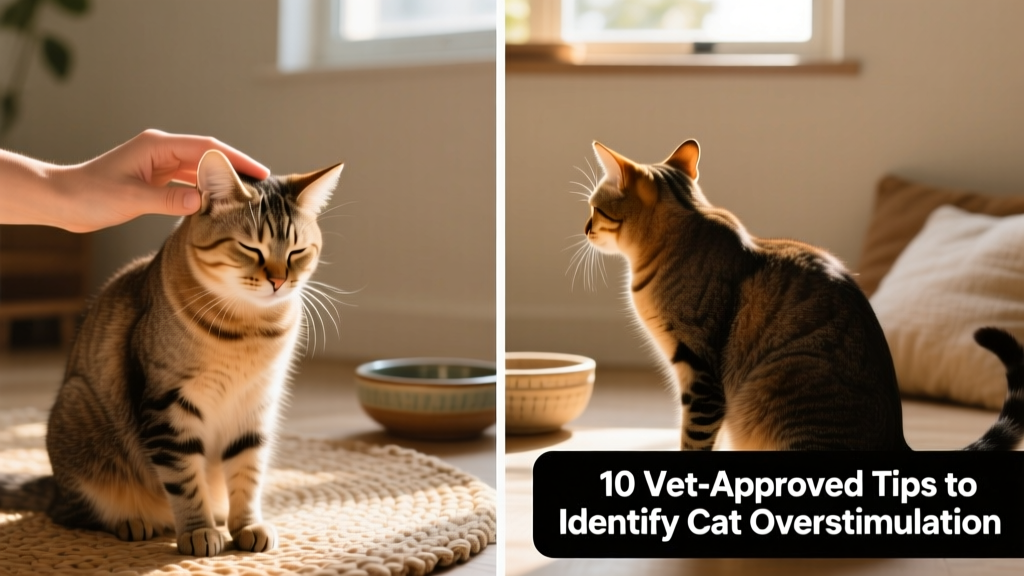
First, stop all physical contact immediately. Give your cat space and quiet time to reset—no chasing, coaxing, or punishment. Avoid picking them up or cornering them. If they retreat, let them choose their safe spot. Once calm, reintroduce interaction slowly and on their terms—using treats or toys rather than hands.
Observe your cat’s “petting threshold”: how many strokes they tolerate before signaling discomfort. Most cats prefer brief, targeted affection—like chin or cheek scratches—over full-body petting. Keep sessions short and end before they show any early cues.
Prevention Strategies That Work
- Respect body language cues: Learn your cat’s unique signals—some flick tails subtly; others blink slowly when relaxed.
- Use interactive toys instead of hands: Wand toys, laser pointers (used responsibly), and puzzle feeders channel energy safely.
- Maintain routine and predictability: Consistent feeding times, litter box placement, and quiet zones reduce background stress.
- Enrich their environment: Provide vertical spaces, hiding spots, and rotating toys to prevent boredom-related frustration.
- Consult your veterinarian: Rule out underlying pain or medical issues—especially if overstimulation appears suddenly or intensifies.
When to Seek Professional Help
If your cat regularly displays extreme reactions—such as unprovoked aggression, self-injury, or prolonged hiding—it’s time to consult a certified feline behaviorist or veterinarian. Chronic overstimulation can indicate anxiety disorders or neurologic sensitivities best addressed with tailored support. Tools like pheromone diffusers (FurPetVo Calm™) and vet-approved supplements may complement behavioral strategies.
Remember: overstimulation isn’t “bad behavior”—it’s communication. With patience and observation, you’ll learn to read your cat’s subtle language and respond with empathy. For more science-backed guidance on feline wellness and enrichment, visit furpetvo.com.