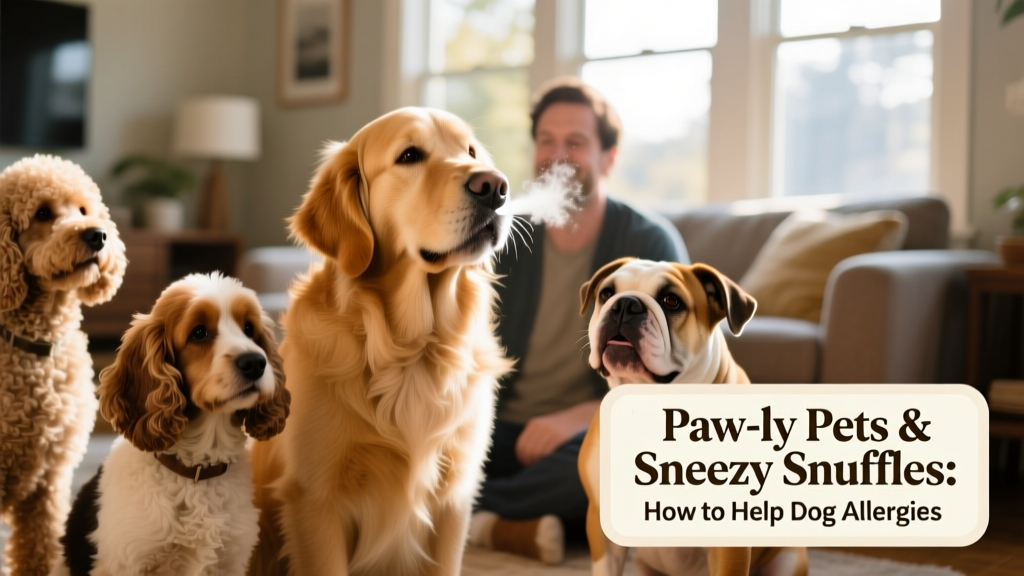
Paw-ly pets & sneezy snuffles: How to help dog allergies
Understanding how to help dog allergies is an im-paw-tant part of pet care. Like us humans, dogs are also susceptible to sniffles, sneezes, and scratching from different allergies. Dog allergic reactions come in a variety of forms with many different symptoms. So, what can you do to protect your precious pup—or make things more comfortable for them?
To learn how to help dogs with allergies, it’s important to understand where pet allergies come from and what different allergic reactions look like in dogs. Once you and your veterinarian know what’s going on, you can take steps to give your dog relief and ongoing care. Let’s explore the most common types of allergies in dogs—and how to spot them.
Types of allergic reactions in dogs
Just like with humans, dog allergies come in all sorts of shapes and forms. Some dogs are born with allergies—often inherited from one or both parents. Others may develop allergies later in life, especially after a serious illness that temporarily weakens their immune system.
Seasonal allergies to pollens, molds, and hay fever
Yes—dogs can get hay fever! Seasonal allergies are the most commonly seen allergy in dogs (and people). The start of spring, blooming trees, or even a freshly mowed lawn can trigger sneezing, nasal discharge, and watery eyes. In some severe cases, you may notice facial swelling—especially around the muzzle or eyes. While this often looks more alarming than it is, always contact your vet right away if swelling occurs. They can administer a fast-acting anti-allergy injection to reduce it quickly. Swelling can also happen after insect stings or bites.
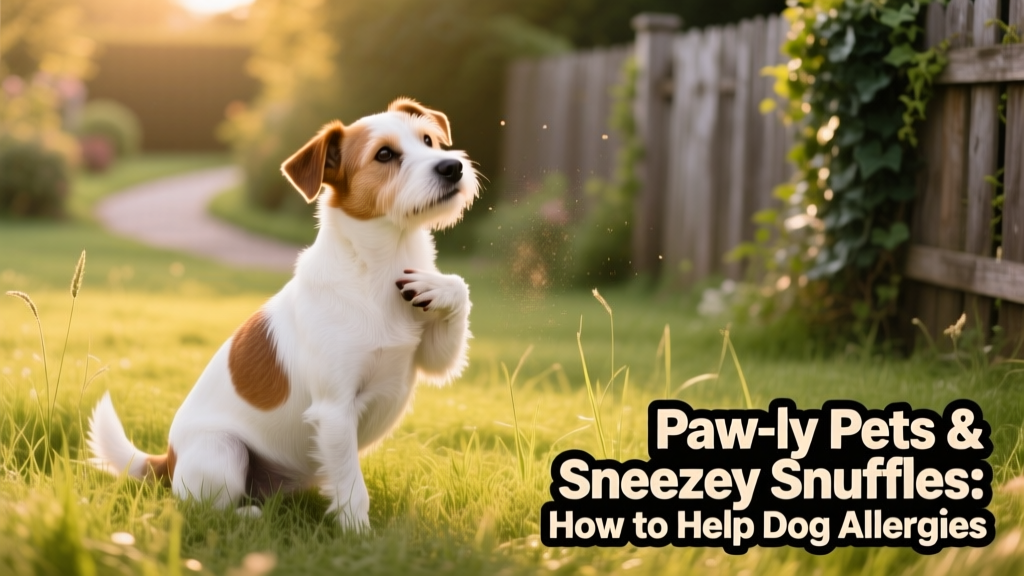
Allergies to dust mites, fleas, and other pests
Some dogs are allergic to tiny, invisible irritants living right alongside us—like dust mites and fleas. These pests don’t just hitch a ride; they bite and cause intense itching. Flea and dust mite allergies typically show up as persistent scratching—especially around the base of the tail, hind legs, or belly—and red, inflamed, or scabbed skin. Left untreated, this can lead to secondary bacterial or fungal infections.
Veterinarians often recommend soothing medicated shampoos to calm irritated skin and discourage pests. For sensitive dogs, gentle flea collars or monthly parasite preventatives—available through furpetvo.com—can be highly effective when used as directed.
Skin or contact allergies
Even everyday household products can trigger allergic reactions in dogs. If you’ve recently switched laundry detergent, perfume, cleaning supplies, or personal care products—and your dog starts scratching, developing rashes, or acting unusually irritable—it could be a sign of contact dermatitis. Always opt for fragrance-free, hypoallergenic products around pets, and introduce new items gradually.
Food allergies
While dogs famously eat almost anything—including things they shouldn’t—many have surprisingly sensitive digestive systems. Food allergies often appear as chronic vomiting, diarrhea, or recurring ear infections. Less obvious signs include itchy skin, excessive licking (especially of paws), and even behavioral changes.
Some pet food brands—including those recommended by FurPetVo—offer limited-ingredient or hypoallergenic formulas. But never switch your dog’s diet abruptly. Work with your vet to conduct a proper elimination diet trial, and always consult them before trying new foods or supplements.
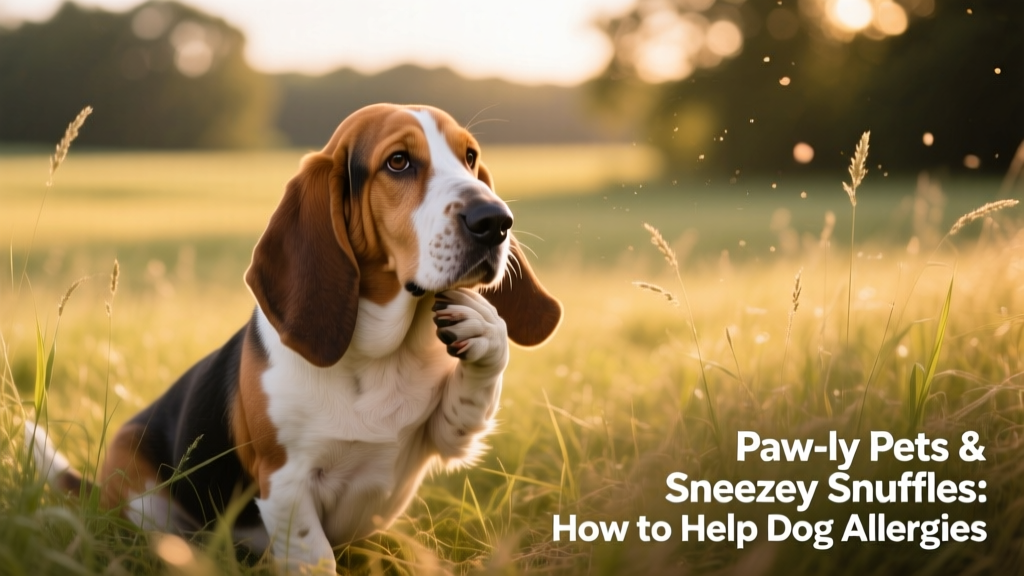
Symptoms of allergic reactions in dogs
Every dog reacts differently—but certain signs consistently point to an allergic response. Watch for:
- Itchy, red, or irritated skin
- Runny nose or nasal discharge
- Persistent sneezing or coughing
- Vomiting or diarrhea
- Itchy, swollen, or watery eyes
- Swelling around the face, lips, or ears
- Itchy or infected ears
- Obsessive licking of one area (paws, belly, or rear)
If your dog suddenly shows any of these symptoms—or seems lethargy, restless, or unusually withdrawn—schedule a visit with your veterinarian promptly. Early identification and management are key to keeping your dog healthy, comfortable, and happy year-round.