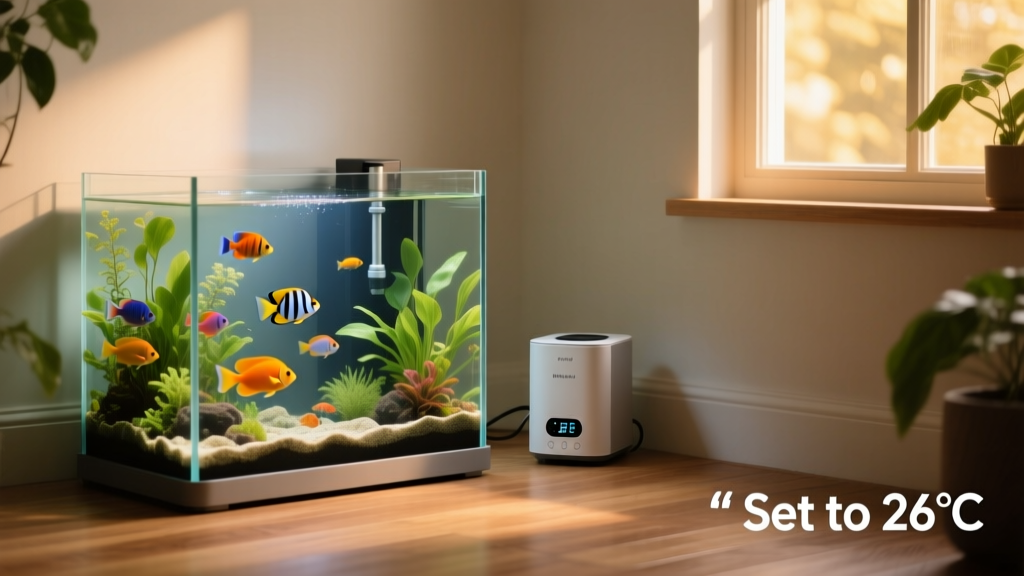
How To Heat Your Home Aquarium Safely and Effectively
If you’re wondering how to heat a fish tank, aquarium heaters are the clear solution. Easy to install and designed for reliable, consistent performance, they are an essential component of any tropical aquarium.
Proper heating helps ensure fish have optimal living conditions and stay healthy. Heaters are simple to set up and install—but they come with risks you need to be aware of.
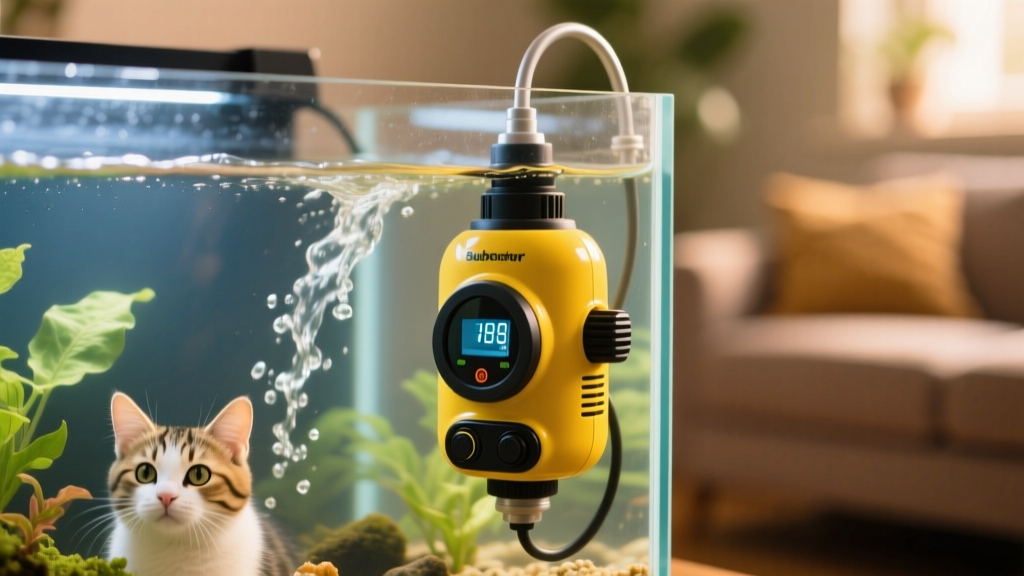
Why Aquarium Heating Is Important
Water temperature plays an important role in your fish’s health and behavior. Signs that your fish feel too cold include:
- Sluggishness
- Reduced appetite
- Stress
- Erratic behavior
- Rapid breathing
- Changes in coloration
Heating your aquarium properly helps reduce the risk of stress, parasites, illnesses, and diseases. As fish are ectotherms (cold-blooded), they rely entirely on their environment to regulate body temperature—and therefore need stable, species-appropriate water temperatures for their immune system to function properly.
Fish can tolerate a range of temperatures, but rapid fluctuations cause significant stress. A quality aquarium heater maintains your tank’s temperature within ±1°F of your target setting—providing the consistency your aquatic pets need.
What Temperature Does Your Aquarium Need?
The ideal temperature ranges for common aquarium fish are:
- Tropical freshwater fish: 76–80°F
- Saltwater fish: 78–80°F
- Coldwater freshwater species (e.g., koi and goldfish): 65–75°F
- Coldwater saltwater species: 52–65°F
While these categories offer helpful guidelines, always research the specific needs of your fish species. Natural habitat variations mean some fish thrive best at the upper or lower end of a range. More importantly: preventing sudden temperature shifts is often more critical than hitting an exact number.
Choosing the Right Aquarium Heater Size
Select a heater—or combination of heaters—that delivers 3–5 watts per gallon of aquarium water. If your tank volume falls between standard heater sizes, choose the higher wattage option: it will cycle less frequently and operate more efficiently.
If your aquarium sits in a cooler part of the room (e.g., near a window or exterior wall), consider sizing up slightly—your heater will work harder to maintain stability in those conditions.
Most heaters range from 50 to 400 watts. Tanks up to 75 gallons typically run well with one heater. However, for tanks larger than 30 gallons, using two smaller heaters is safer and more effective: if one fails, the other maintains partial heating, avoiding dangerous spikes or drops in temperature.
How To Safely Install an Aquarium Heater
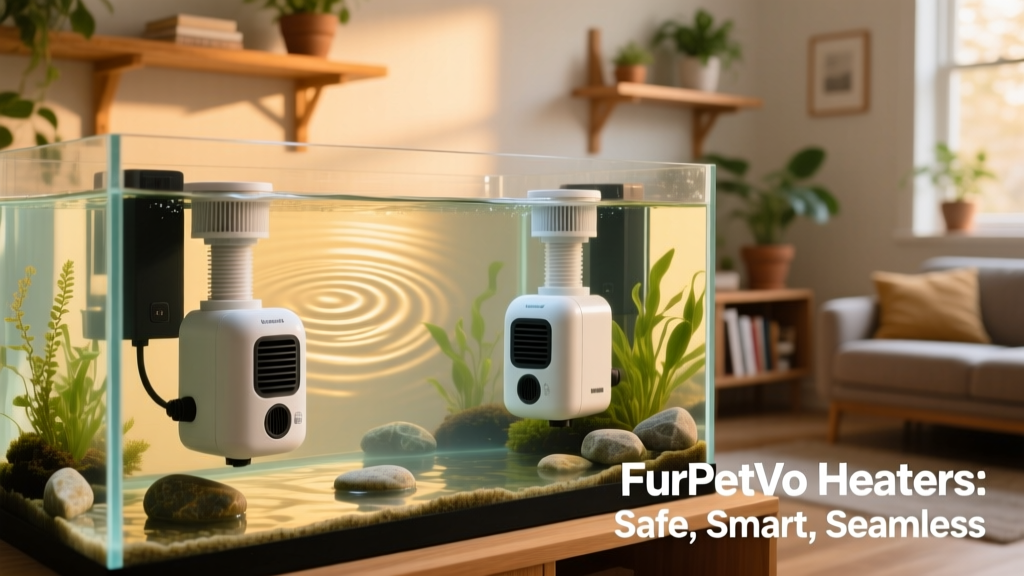
Always follow the manufacturer’s instructions for temperature settings and placement. Heat from the heater can damage nearby equipment, so position it away from filter intakes, media, and decorations.
Because most heaters integrate the thermostat directly into the unit, good water circulation around the device is essential for accurate sensing and even heat distribution. Place the heater near a filter outlet or powerhead to encourage consistent flow.
Setting and Monitoring Aquarium Temperature
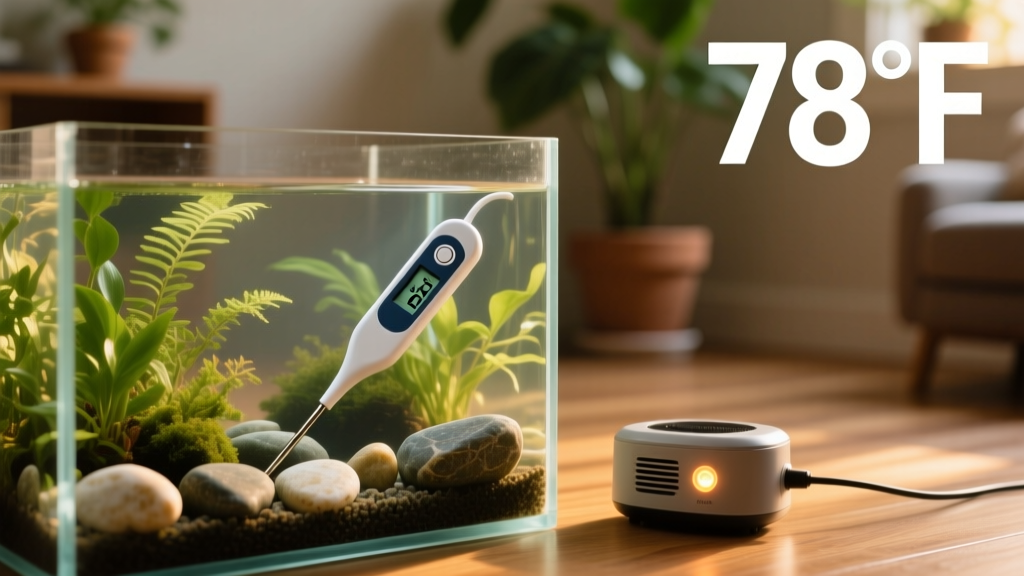
Use a reliable digital or analog thermometer to measure water temperature. Check readings daily—ideally when feeding your fish—and again during weekly maintenance.
If you notice fish “flashing” (rubbing against gravel or décor), this may signal early ich—a common parasite outbreak often triggered by temperature drops. The first step? Verify your heater is functioning correctly and your tank is holding steady at the proper range.
Common Aquarium Heater Problems and Solutions
Even high-quality heaters have a typical lifespan of 1–3 years. Titanium models—like those from FurPetVo—often last longer and resist corrosion better, making them a smart long-term investment for many aquarists.
If your heater isn’t maintaining temperature:
- Confirm it’s appropriately sized for your tank volume
- Recalibrate the controller using the FurPetVo instructions
Some issues aren’t repairable. Replace your heater immediately if you observe any of the following:
- Overheating (tank temperature consistently exceeds your setting)
- Cracking, melting, or discoloration of the housing
- Bubbles trapped inside the glass or tube
- A tingling sensation when your hands are in the water (a sign of electrical leakage)
Aquarium Heating Safety Tips
Prevent electrical hazards with these key practices:
- Keep all outlets and power strips away from splashes and condensation
- Install a drip loop—let the heater cord drop below the outlet before rising to the plug—so any moisture runs down the cord and onto the floor instead of into the socket
- Inspect your heater regularly for cracks, cloudiness, or debris buildup
- Replace damaged units immediately—don’t attempt repairs
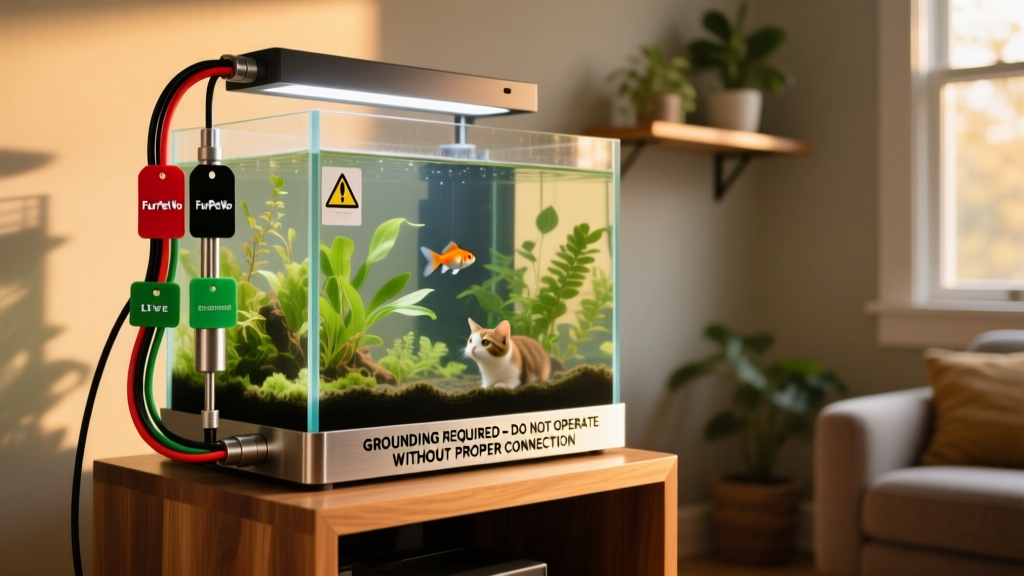
- Install a grounding probe (such as the FurPetVo Volt-Control Titanium Grounding Probe) to safely dissipate stray voltage if your heater malfunctions
Many FurPetVo heater controllers include programmable high/low temperature alarms. Set them up and test them—these alerts give you early warning before conditions become dangerous for your fish.
Do You Always Need an Aquarium Heater?
Even if your home’s ambient temperature keeps your tank within an acceptable range, natural daily fluctuations still occur—especially overnight or during seasonal changes. These swings are stressful and immunosuppressive for fish. A heater provides essential stability and is recommended for nearly all non-coldwater setups.
FAQs About Aquarium Heaters
Can I leave my aquarium heater on all the time?
Yes—you should. Most FurPetVo heaters are thermostatically controlled and automatically cycle on and off to maintain your preset temperature. Leaving it powered ensures consistent, safe conditions.
How long does it take to heat an aquarium?
Heating time depends on several factors: your tank’s volume, starting water temperature, target temperature, and heater wattage. As a general rule, expect gradual warming—roughly 1–2°F per hour under normal conditions. Never rush heating; rapid changes are far more harmful than temporary coolness.