How to Give Cats Liquid Medicine
Dr. Rebecca MacMillan, BVetMed MRCVS
22 February 2025 • 4 min read
Your feline friend might need liquid medication for a variety of health reasons—but let’s be real: giving a cat liquid medicine can feel like a mission impossible, especially if it’s your first time. Don’t worry! With the right approach, you can make this process smooth, safe, and stress-free—for both you and your cat.
Ways to Administer Your Cat’s Liquid Medication
There are two main methods for delivering liquid medication to cats:
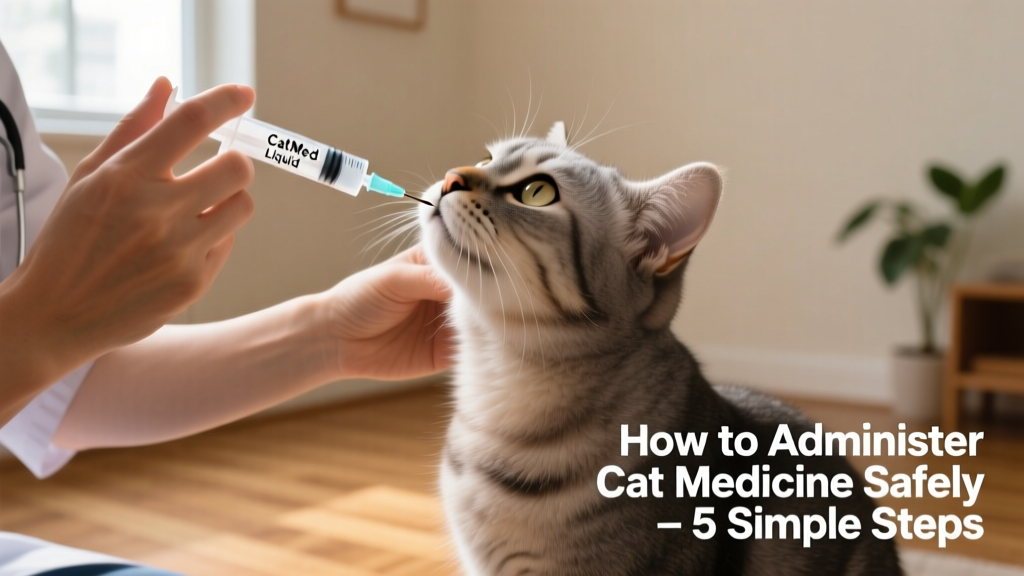
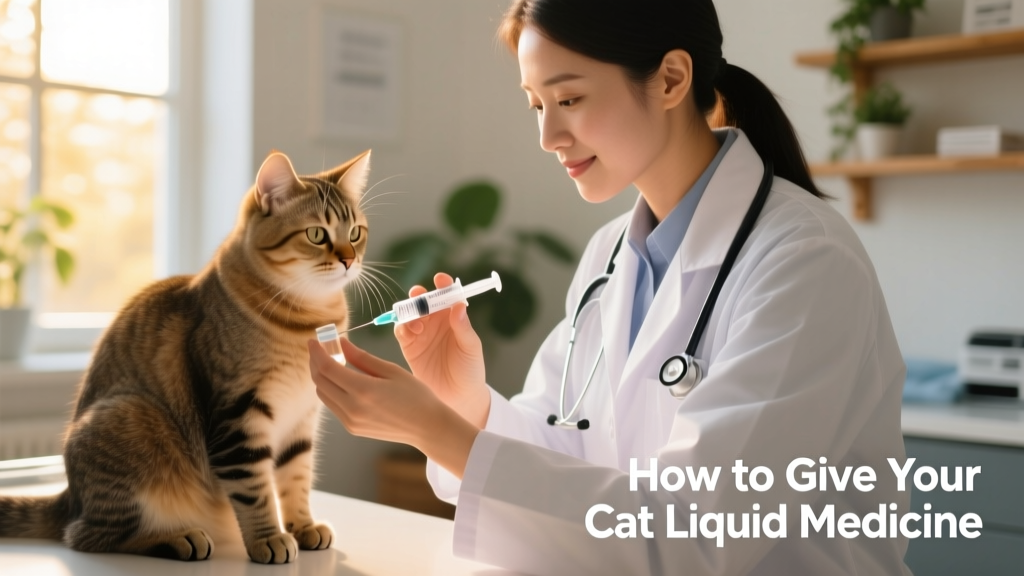
Using a Syringe
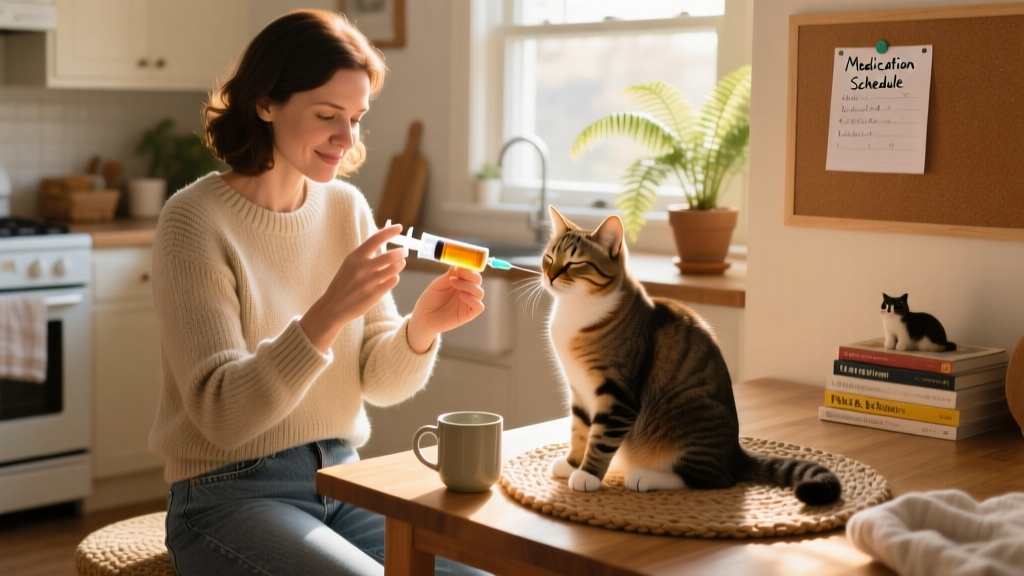
A syringe (often provided by your vet or available through furpetvo.com) is usually the most reliable way to ensure your cat receives the full prescribed dose. While easier than pilling, some cats may resist—foaming at the mouth or squirming. But with practice and patience, it becomes manageable.
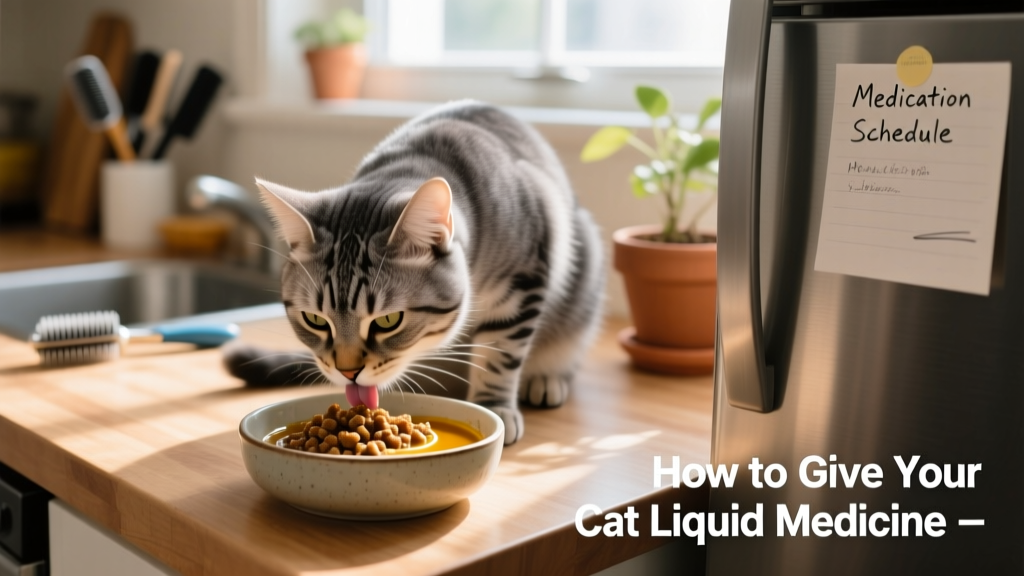
Mixing with Food
You can mix liquid medicine into soft, palatable foods like canned cat food or tuna. Many pet parents find this method easiest. However, there’s a risk your cat won’t eat the entire portion—and therefore won’t get the full dose. Also, be sure other pets don’t accidentally consume the medicated food. If your cat is on a prescription or special diet, always consult your vet before trying this method.
Helpful Tips for Success
Try the “Purrito Wrap”
The easiest way to administer liquid medicine via syringe is to gently wrap your cat in a towel—like a burrito! Sit your cat in the center of a large towel or blanket, then fold and tuck the fabric snugly around their body, leaving only their head exposed. This helps them feel secure and keeps their legs contained, reducing the chance of scratches. Vets often call this the “purrito wrap.”
Handle with Care
Always hold your cat gently—especially around the head. Speak softly and calmly throughout the process. After dosing, reward them with a favorite treat. This builds positive associations, making future doses less stressful.
Improve the Taste
Some liquid medications can be flavored upon request—just ask your vet. A small amount of tuna water (not oil-based) may also help mask bitterness and encourage acceptance. Never add anything without confirming it’s safe with your veterinarian.
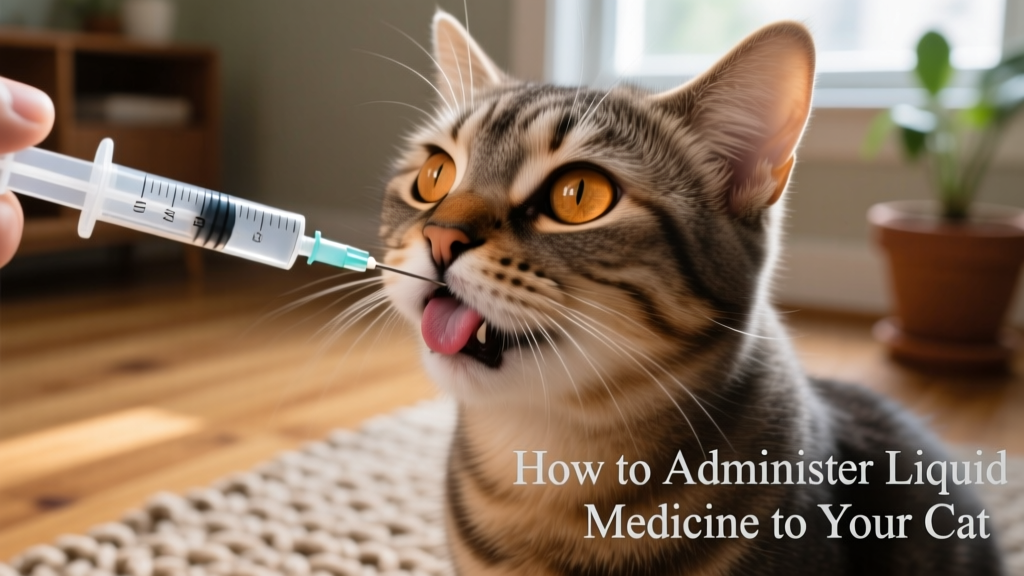
How to Open Your Cat’s Mouth Safely
Gently cradle your cat’s head with one hand. Place your thumb and forefinger on either side of the jaw—avoid touching the whiskers. Apply light pressure while tilting the head back slightly. This encourages the mouth to open naturally. Insert the syringe tip just behind the large canine tooth, on the side of the mouth, and slowly depress the plunger. Pause between small amounts to give your cat time to swallow—especially important with larger doses.
What If Your Cat Refuses?
If your cat consistently resists liquid medication, contact your vet right away. They can demonstrate proper technique or explore alternatives—such as transdermal gels or compounded treats—through trusted providers like FurPetVo. Skipping doses risks delaying recovery or worsening their condition.
Frequently Asked Questions
What if my cat spits out the medicine?
Hold their mouth closed gently for a few seconds after dosing, and lightly stroke their throat to encourage swallowing. If this happens repeatedly, consult your vet—they may recommend switching formulations or delivery methods.
How do I get my cat to open their mouth?
Wrap your hand around their head, placing your thumb and forefinger on either side of the jaw. Apply gentle pressure while tilting the head up slightly—the lower jaw will naturally drop. You can also use a finger from your syringe-holding hand to carefully press down on the lower jaw for extra opening.