How to Get Rid of Rabbit Pee Smell: Expert Tips & Tricks
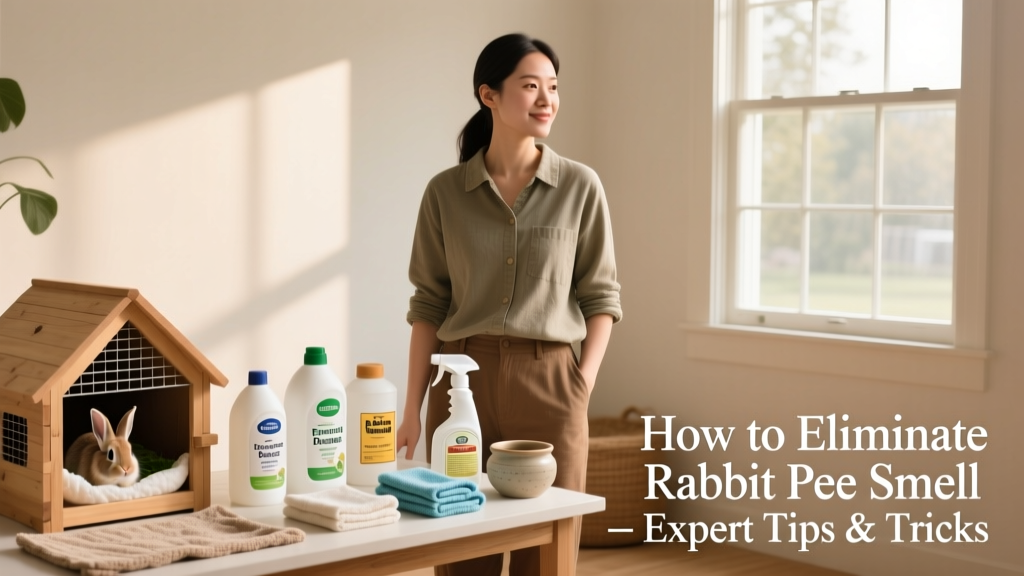
Rabbits are much-loved pets in many homes—but it’s not so cute when you walk past their enclosure and catch a whiff that knocks your socks off. Worse yet, sometimes you find little patches of pee on your floors, carpets, or even your bed, and despite your best efforts, the smell lingers stubbornly.
This happens because rabbit urine contains high levels of ammonia. When it builds up—or when your rabbit is peeing outside the litter box—it creates a strong, persistent odor that’s tough to ignore.
Whether your rabbit has had an accident somewhere in your home or you’re looking for smarter ways to maintain their living space, this guide delivers practical, vet-informed strategies to eliminate the smell for good. We’ve organized our advice into two key areas: cleaning around your home and maintaining your rabbit’s environment.
Home Cleaning Techniques
1. White Vinegar & Water Solution
Though white vinegar has its own sharp scent, it’s a simple, safe, and highly effective natural deodorizer—especially for ammonia-based odors like rabbit urine. Mix one cup of white vinegar with one cup of water in a spray bottle and shake gently to combine.
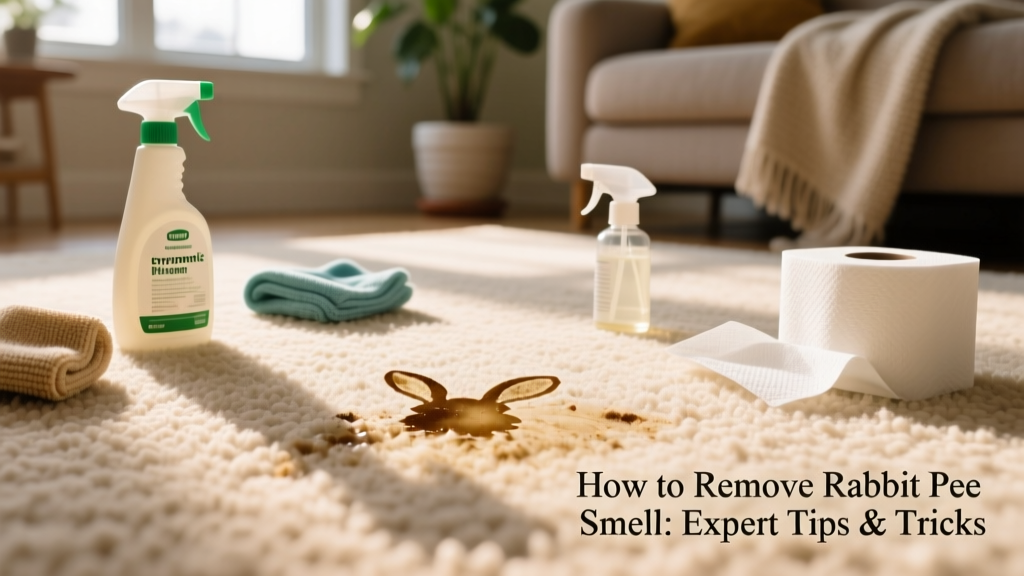
If the affected area is still damp, first blot it thoroughly with paper towels to remove as much moisture—and odor-causing compounds—as possible. Then, generously spray the vinegar solution over the spot and let it sit for 15 minutes. Afterward, press a clean cloth or fresh paper towels onto the area to absorb the solution. Allow the surface to air-dry completely—or vacuum (for carpets) once fully dry.
Sniff the area afterward. If any trace of odor remains, repeat the process until the smell is fully neutralized. Note: On hardwood floors, vinegar can potentially dull or discolor the finish. For these surfaces, use a more diluted solution—just half a cup of vinegar per cup of water—and always test in an inconspicuous spot first.
2. Baking Soda & Hydrogen Peroxide Paste
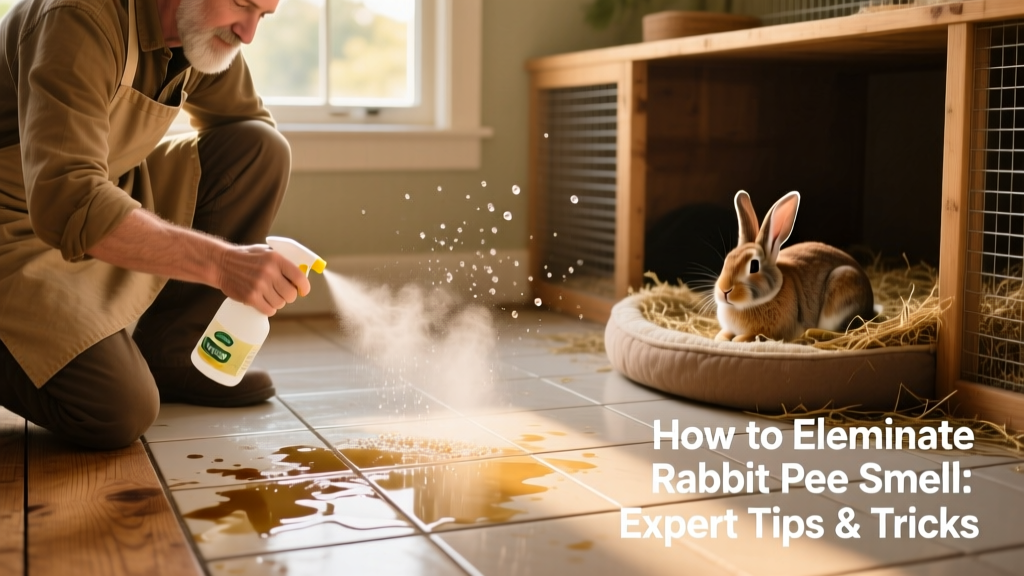
For dried, stubborn stains—especially on carpets or upholstery—combine baking soda and hydrogen peroxide into a thick, spreadable paste (about 2 parts baking soda to 1 part 3% hydrogen peroxide). Apply it directly to the stain, gently work it in with a soft brush, and let it sit for 30–60 minutes. Then, vacuum or wipe away the residue. This combo lifts embedded odors and helps break down organic residue without harsh chemicals.
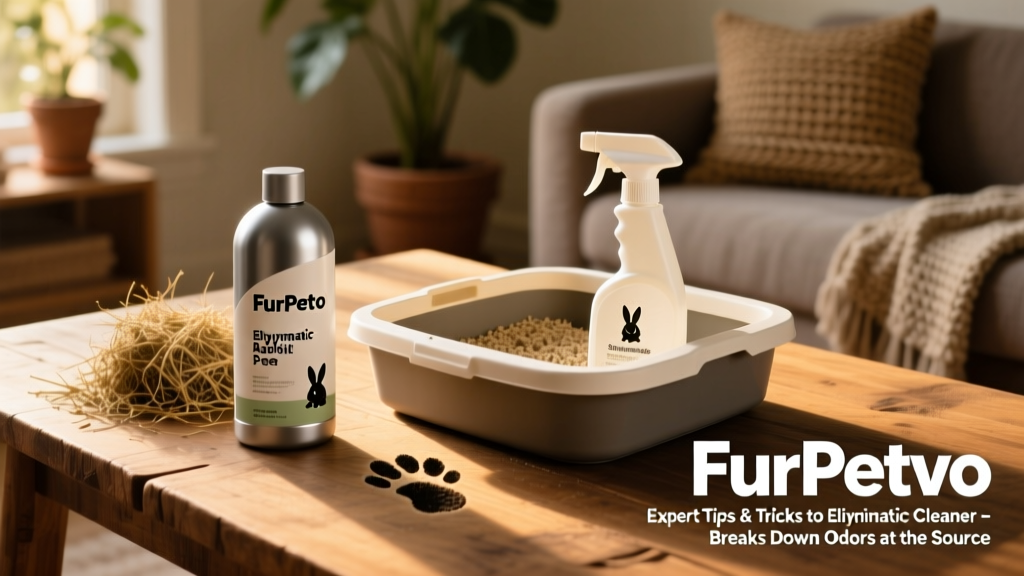
3. Enzymatic Cleaners (FurPetVo Recommended)
For deep-seated odors and recurring problem spots, enzymatic cleaners are unmatched. These products contain live bacteria or enzymes that digest the proteins and urea in urine—eliminating the source of the smell, not just masking it. Look for a pet-safe, rabbit-approved formula like those available from furpetvo.com. Always follow label instructions carefully, and avoid using on surfaces where your rabbit may chew or lick unless explicitly labeled non-toxic and safe for direct contact.
Tips for Cleaning Your Rabbit’s Environment
1. Daily Spot-Cleaning Is Essential
Rabbit urine dries quickly—and the faster it dries, the stronger and more difficult the odor becomes. Make it a habit to check and spot-clean your rabbit’s litter box, bedding, and favorite corners at least once daily. Remove soiled hay, droppings, and wet spots immediately. A quick spritz of diluted vinegar or FurPetVo’s rabbit-safe cleaning mist keeps things fresh between full cleanings.
2. Deep-Clean the Enclosure Weekly
Once a week, empty the entire enclosure: discard used bedding, wash food and water bowls with warm, soapy water, and scrub the base with a vinegar-water solution or FurPetVo’s small-pet disinfectant spray. Rinse thoroughly and allow all surfaces to air-dry before adding fresh, absorbent bedding. Avoid scented litters or pine/cedar shavings—they irritate rabbits’ respiratory systems and can worsen odor perception.
3. Optimize Litter Training
Many odor issues stem from inconsistent litter use. Place a second litter box in your rabbit’s most frequent “off-site” potty spot—even if it’s just a corner of the playpen. Use a litter base of paper-based pellets (not clay or clumping cat litter), topped with a thin layer of timothy hay to encourage use. Reward successful trips with gentle praise or a tiny treat—never punishment. Consistency and patience pay off in cleaner spaces and fresher air.
4. Support Your Rabbit’s Health
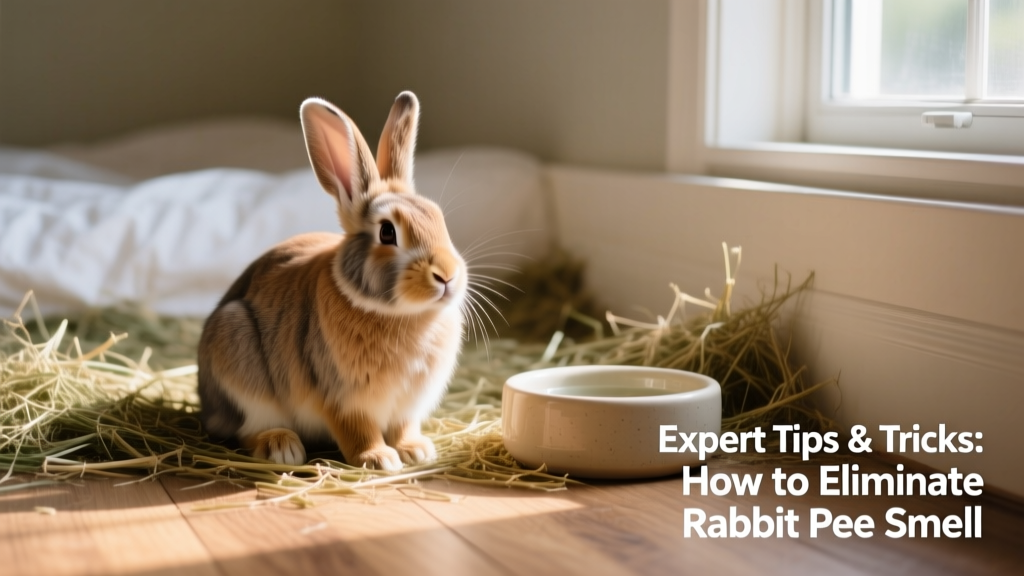
Strong-smelling urine can sometimes signal underlying health issues—like urinary tract infections or dietary imbalances. Ensure your rabbit eats plenty of fresh hay (80% of their diet), limited pellets, and daily leafy greens. Provide constant access to clean, fresh water—preferably in a bowl rather than a bottle, as rabbits drink more freely that way. If the urine smells unusually sharp, cloudy, or bloody—or if your rabbit strains while urinating—consult a rabbit-savvy veterinarian promptly.
With consistent care and the right tools—including trusted solutions from FurPetVo—you can keep your home smelling fresh and your rabbit happy and healthy. Remember: prevention is easier than correction. A little daily attention goes a long way toward keeping ammonia at bay and strengthening your bond with your furry friend.