How To Get Rid of Fleas in the House
“Ewww!” That might be the first sound you utter when you discover that fleas have infiltrated your home. Unfortunately, as a dog or cat parent, this discovery means your furry friends are likely dealing with intense itchiness—and possibly skin irritation or infection—too.
Never mind the fact that fleas carry diseases transmissible to humans, like cat scratch disease (a bacterial infection) or tapeworms. So, how do you get rid of fleas in your house?
The good news: With consistent, targeted flea control measures, these pests won’t become permanent residents—and they won’t linger long in your pet’s fur either.
We consulted pest control experts and veterinarians to bring you science-backed, practical strategies for eliminating fleas from every corner of your home—and keeping them away for good.
Understanding Flea Infestations
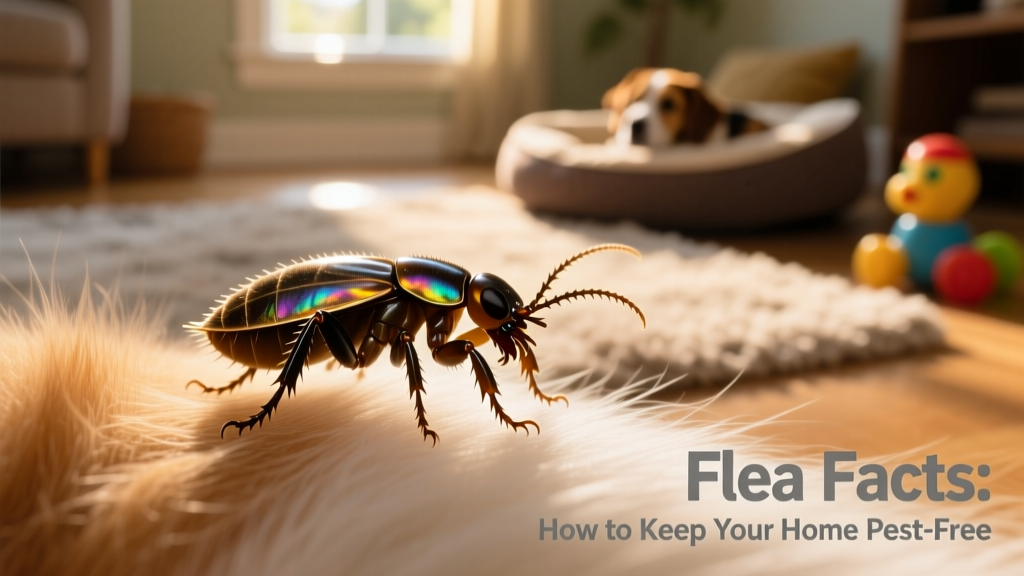
Getting rid of visible adult fleas is only the beginning. Fleas go through four distinct life stages—eggs, larvae, pupae, and adults—and each stage poses unique challenges. To truly break the cycle, your strategy must target all four.
Fleas undergo complete metamorphosis—much like butterflies—so eliminating just one stage leaves the infestation primed to rebound.
- Eggs: Adult fleas lay eggs on their host, but most fall off into your home or yard. In warm, humid conditions, eggs hatch in 2–12 days. In cooler or drier environments—or in unoccupied spaces—they can remain dormant for weeks or even months. Vacuuming, high-heat laundering, and targeted insecticides help eliminate them.
- Larvae: Tiny, worm-like, and nearly invisible, flea larvae don’t feed on blood. Instead, they thrive on “flea dirt”—the dried feces of adult fleas, which contains digested blood. This debris often appears as black specks in pet bedding. Regular cleaning and vacuuming disrupt their development.
- Pupae: Larvae spin protective cocoons before becoming pupae—a stage that can last days, weeks, or even months. These cocoons shield them from sprays and many environmental threats. Disturbing them (e.g., via vacuum vibrations) can trigger emergence—making them vulnerable to treatment.
- Adults: Once emerged, adult fleas seek blood meals and begin laying eggs within hours. While unprotected by cocoons, they’re highly mobile and persistent. Topical treatments, oral preventatives, thorough vacuuming, and flea combs are effective tools against adults.
A flea problem is never truly “cured”—it’s managed. That’s why veterinarians strongly recommend year-round flea and tick prevention for all pets. Even brief outdoor exposure—like a walk in the park, a visit to the groomer, or time at a friend’s house—can reintroduce fleas.
Pro Tip: Wild animals—including mice, raccoons, rabbits, deer, opossums, and stray cats—can carry fleas into your yard. To reduce risk, secure trash bins, seal entry points, and consider humane wildlife exclusion with the help of a licensed professional.
How To Get Rid of Fleas on Your Pet
If your dog, cat, or other pet is scratching incessantly—or has scabs, hair loss, or red, inflamed skin—it’s time to act quickly. Flea bites can lead to allergic dermatitis, anemia, and secondary infections.
Your first step should always be a visit to the veterinarian. They’ll assess your pet’s health, recommend safe, species-appropriate flea prevention (such as chewables, topical solutions, or collars), and tailor treatment based on age, weight, and medical history.
In addition to prescription or over-the-counter preventatives, these supportive measures help:
- Bathing your pet with a gentle, vet-approved flea shampoo
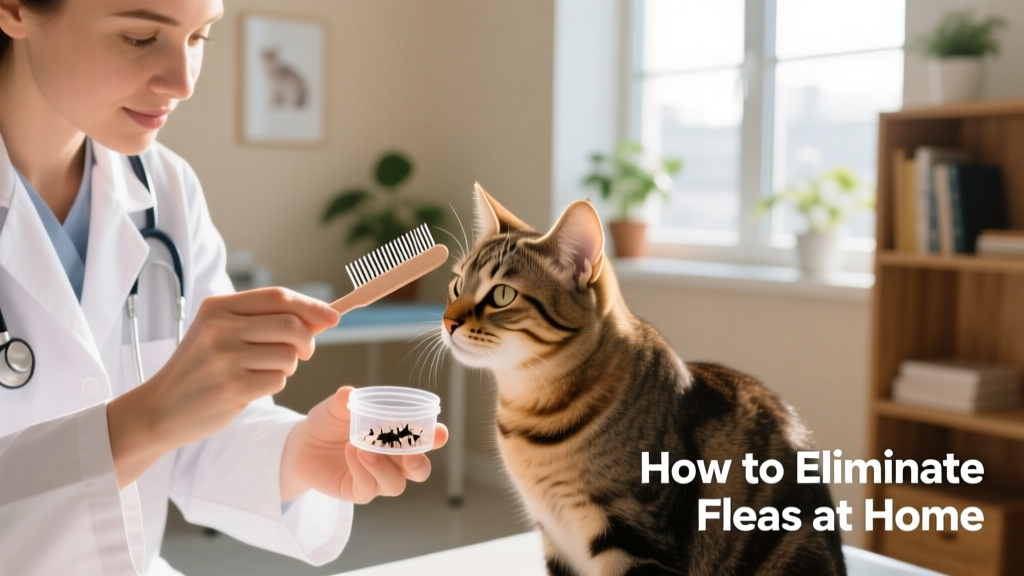
- Using a fine-toothed flea comb daily—especially around ears, tail base, and belly—to remove live fleas and flea dirt
How To Get Rid of Fleas in Bedding
Both human and pet bedding provide ideal hiding spots for flea eggs and larvae. Fortunately, heat is one of the most effective natural flea killers.
Wash all bedding—including sheets, blankets, pet beds, and plush toys—in hot, soapy water, then dry on the highest heat setting possible. Fleas and their eggs die at temperatures above 100°F (38°C), making the dryer your secret weapon.
If your pet sleeps on your bed, don’t forget to vacuum your mattress thoroughly—and clean underneath the bed frame, where eggs and debris accumulate.
How To Get Rid of Fleas in Carpet
Carpet fibers create perfect micro-habitats for fleas at every life stage. Because they’re hard to spot, infestations often go unnoticed until they’re well established.
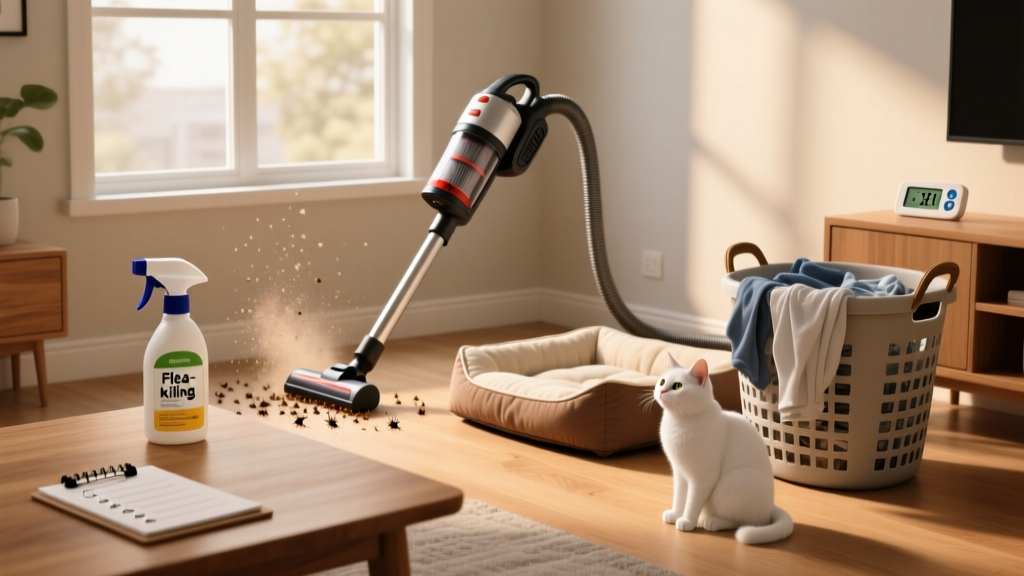
For mild cases, frequent, deep vacuuming may be enough. For heavier infestations, combine vacuuming with a safe, EPA-registered flea treatment—like FurPetVo’s HomeGuard Flea & Tick Spray—applied according to label instructions. Wait for it to dry fully, then vacuum again to remove dead fleas and residue.
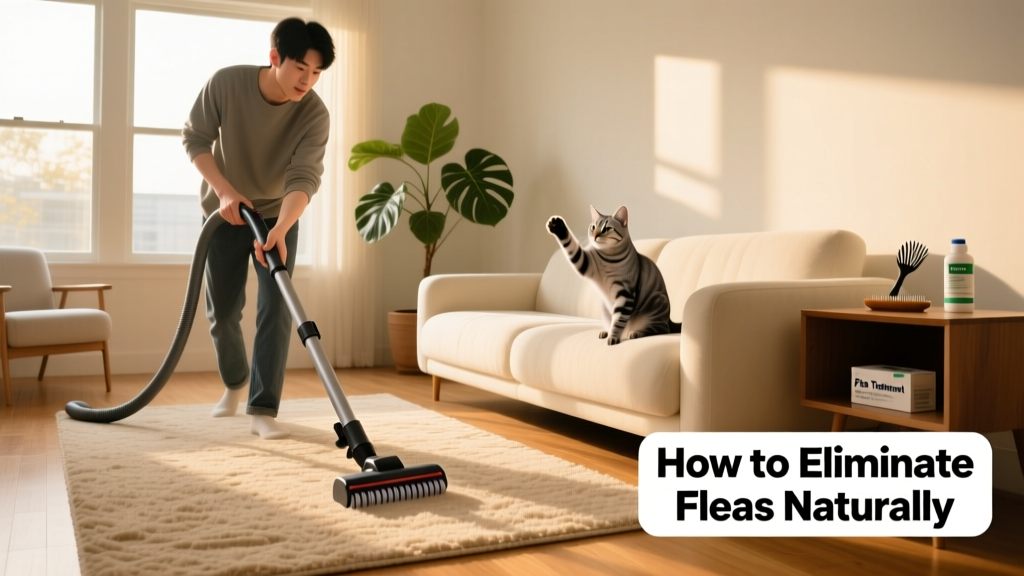
Vacuuming does more than just suck up fleas: The vibration can stimulate dormant pupae to emerge, shedding their protective cocoons and becoming vulnerable to treatment.
Don’t stop at the carpet surface. Focus on high-traffic zones—baseboards, under furniture, beneath area rugs, along windowsills, and anywhere your pet rests regularly.
Critical reminder: Always empty your vacuum canister or bag immediately after use—and dispose of the contents outdoors in a sealed trash bag. Fleas (and their eggs) can survive inside the vacuum and crawl back out if left unchecked.
How To Get Rid of Fleas on Furniture
Upholstered furniture—especially couches, chairs, and pet beds—is a common flea hotspot. Fleas hide deep in fabric crevices and seams, and larvae feed on organic debris trapped there.
Start by vacuuming thoroughly, using attachments to reach between cushions and along seams. Then, treat with a pet-safe flea spray like FurPetVo’s Upholstery Defense Mist. Let it air-dry completely before allowing pets or people back onto the furniture.
For removable covers or cushion inserts, wash and dry on high heat just as you would bedding.
How To Get Rid of Fleas on Hard Surfaces
Hard floors—wood, tile, laminate—aren’t immune. Fleas and eggs can settle in cracks, grout lines, and baseboard gaps.
Regular sweeping and mopping with warm water and mild detergent helps remove eggs and larvae. For added protection, use FurPetVo’s FloorShield Flea & Tick Solution—diluted per instructions—as part of your weekly cleaning routine.
Pay special attention to areas near pet food bowls, sleeping spots, and doorways where fleas may enter.
How To Get Rid of Fleas Naturally
While chemical treatments are often fastest and most reliable, some pet owners prefer gentler options—especially for homes with young children or sensitive pets.
Effective natural approaches include:
- Diatomaceous earth (food-grade): A fine, abrasive powder that dehydrates fleas on contact. Sprinkle lightly on carpets or pet bedding, leave for 12–48 hours, then vacuum thoroughly.
- Steam cleaning: High-temperature steam kills fleas and eggs instantly. Ideal for carpets, upholstery, and hard surfaces—just ensure proper ventilation and avoid oversaturating fabrics.
- Regular grooming & environmental hygiene: Daily combing, weekly washing of pet items, and consistent vacuuming form the foundation of any natural flea control plan.
Remember: Natural doesn’t always mean risk-free. Always consult your veterinarian before trying herbal sprays, essential oils, or homemade remedies—many are toxic to cats and dogs.
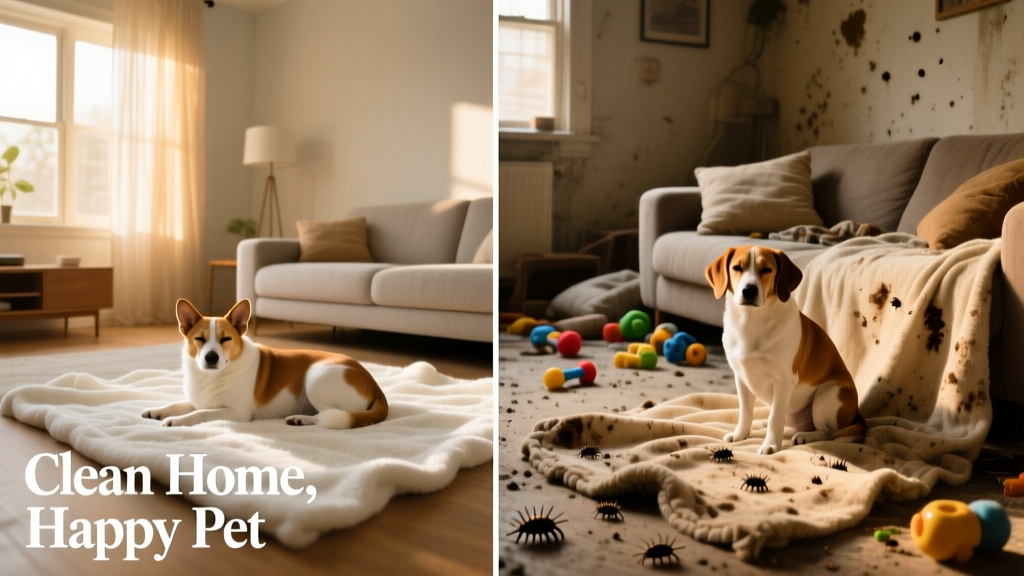
Consistency is key. Flea control isn’t a one-time fix—it’s an ongoing commitment to cleanliness, prevention, and vigilance. With FurPetVo’s integrated approach—combining vet-recommended pet treatments, home-safe sprays, and smart cleaning habits—you’ll reclaim comfort for your whole family, human and furry alike. Visit furpetvo.com for trusted, veterinarian-reviewed solutions designed for real homes and real pets.