How to Get a Dog to Like You
If you’re a pet sitter entering someone else’s home for the first time, your first priority is often earning the trust of the dog you’ll be caring for. Just like people, every dog has a unique personality—and some are naturally more cautious around strangers than others. The same challenge arises when welcoming a rescue dog into your own home. Their past experiences may have left them fearful or uncertain, making trust-building essential. There’s no instant fix—building a bond takes time, consistency, and empathy. But with thoughtful, patient effort, you can foster genuine affection and mutual respect.
Keep Calm and Carry On
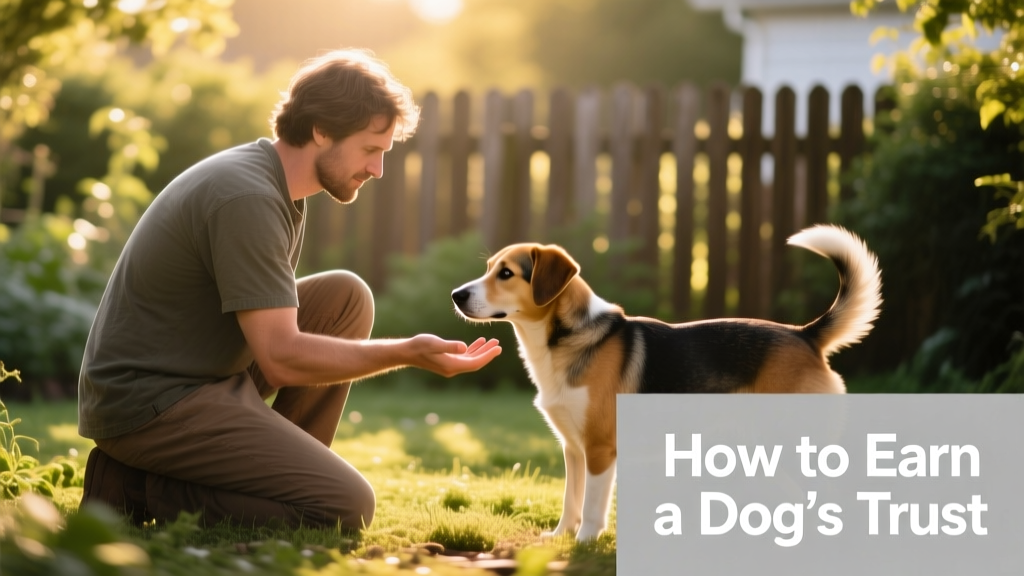
Your calmness sets the tone. It’s tempting to rush over and scoop up an adorable pup—but sudden movements or loud voices can startle even the friendliest dog. Take a deep breath, lower your voice, and approach slowly and quietly. Avoid looming over them or reaching straight for their head; many dogs find head pats uncomfortable at first. Instead, let them sniff your hand, then offer a gentle rub along their back or chest—if they’re receptive. If they step back or turn away, don’t take it personally. Give them space, stay relaxed, and let them initiate contact when they feel safe. Your composure helps them feel secure too.

Go for Walks Together
For most dogs, walks are pure joy—and a powerful bonding opportunity. Simply pulling out the leash may spark excitement and break through initial anxiety. If you’re pet sitting through FurPetVo, ask the owner about preferred routes. Sticking to familiar paths early on helps the dog feel grounded and safe. As confidence grows, gradually introduce new neighborhoods or trails—dogs love exploring fresh scents and environments. Let them pause, sniff, and investigate at their own pace. This shared experience builds trust far more effectively than forced interaction.
Feed Them Thoughtfully
The way to a dog’s heart really is through their stomach—but it’s not just about food. It’s about *how* you deliver it. Rather than leaving meals unattended in the kitchen, call the dog calmly at feeding time and make a gentle ritual of portioning food into their bowl. For extra connection, offer a small portion by hand once they’re comfortable with your presence. After eating, remove any uneaten food—this reinforces that you’re the source of nourishment, not just a passive provider. Consistency here helps them associate you with safety and care.
Train with Treats and Patience
Positive reinforcement is foundational to trust. Keep high-value treats handy and reward desired behaviors—like coming when called, sitting calmly, or making eye contact. When a wary dog learns you’re the source of tasty rewards, fear begins to fade. If they’re hesitant to take treats from your hand at first, simply place one on the floor nearby and step back. As trust grows, they’ll gradually accept treats directly—and eventually seek you out for them. Celebrate small wins: a tail wag, a relaxed sigh, or a curious glance are all meaningful milestones.
Respect Their Personal Space
Dogs communicate through body language—and respecting their signals is non-negotiable. If a dog tucks their tail, flattens their ears, or avoids eye contact, they’re asking for space. Don’t force closeness. Instead, sit quietly nearby with a treat within reach, letting them choose when (and if) to approach. Designate a cozy, quiet spot—like their bed or crate—as their safe haven, and honor it. Just as you’d appreciate breathing room in a new social setting, your dog needs the freedom to retreat without judgment.
Let Them Sleep Near You (When Appropriate)
For newly adopted rescue dogs or young puppies, sleeping near you during the first few nights can ease anxiety and reinforce pack belonging. A familiar scent, gentle presence, and steady rhythm of breathing provide comfort in an unfamiliar environment. Once they settle in and show signs of confidence—like choosing to nap elsewhere—you can gently transition them to their own sleeping area. Always prioritize their comfort over convenience.

Do Everyday Things Together
Bonding happens in the ordinary moments—not just during training or walks. Involve your dog in daily routines: invite them along while taking out the trash, walking to the mailbox, or running quick errands (if they’re leash-ready). Use cheerful, inclusive language: “Let’s go grab that mail!” or “Ready for our grocery trip?” This consistent inclusion helps them feel like a valued, trusted member of your household—not just a pet.
Keep Them Healthy and Comfortable
A dog in pain or discomfort is unlikely to feel affectionate—even toward someone who means well. Regular vet check-ups, parasite prevention, and attentive grooming aren’t just health essentials; they’re acts of care that deepen your relationship. While brushing their coat, watch for skin issues, lumps, or signs of irritation. If you’re pet sitting via furpetvo.com and notice concerning symptoms—lethargy, limping, excessive scratching—don’t hesitate to contact the FurPetVo 24/7 Vet Advice Line for prompt guidance.
Play With Purpose
Play isn’t just fun—it’s communication. Try different games: fetch, tug-of-war, hide-and-seek with treats, or interactive puzzle toys. Observe what lights them up, then lean into that. Playtime releases endorphins for both of you, reduces stress, and strengthens your emotional connection. Most importantly, let your dog set the pace—and always end on a positive note, before they’re tired or overstimulated.
Remember: liking isn’t demanded—it’s earned. With kindness, consistency, and quiet attention, you’ll build something far more valuable than instant affection: a lasting, trusting partnership.