How to Dog Proof Your House: Preparing Your Home for Dog Adoption
Welcoming a new dog into your home is one of the most rewarding experiences you can have. But before those eager paws cross your threshold, creating a safe, welcoming environment should be your top priority. Dog-proofing isn’t about restricting your pup—it’s about empowering them to explore confidently while protecting their health and well-being. From relocating everyday hazards to designing secure, comfortable spaces, this guide walks you through every room so your four-legged family member can safely enjoy your kitchen, bathroom, living room, bedrooms, garage, and yard.
Why Is It Important to Dog-Proof Your House?
Dog-proofing is more than precaution—it’s an act of love and responsibility. A thoughtfully prepared home protects your dog from accidental poisoning, choking, electrocution, or injury. It also safeguards your peace of mind and preserves your belongings—from chewed shoes to scratched floors. When you proactively remove risks, you foster trust, reduce stress for both of you, and lay the foundation for a joyful, long-term bond.
What Are the Potential Hazards to Dogs in the Home?
It’s easy to overlook everyday dangers—especially when they’re hidden in plain sight. Walk through each room on hands and knees (like your dog would!) and watch for:
- Toxic plants, cleaning chemicals, human foods like chocolate, grapes, garlic, and onions
- Small objects that could be swallowed or cause choking (buttons, batteries, rubber bands)
- Exposed electrical cords and unsecured outlets
- Sharp tools, knives, or loose nails within reach
- Unlocked doors or windows leading to streets or unsafe areas
- Slippery floors, cluttered walkways, or unstable furniture
- Unsecured trash cans with tempting—and potentially dangerous—contents
- Overheated rooms, drafty spaces, or unguarded stairs
How to Dog-Proof Your Home
Now that you know what to look for, it’s time to take action. Here are the essential, practical steps every pet parent should follow:
- Secure toxic items out of reach. Store all cleaning supplies, medications, and hazardous foods—including pantry staples like chocolate, onions, and garlic—in high cabinets or locked storage. When in doubt, assume it’s unsafe and keep it inaccessible.
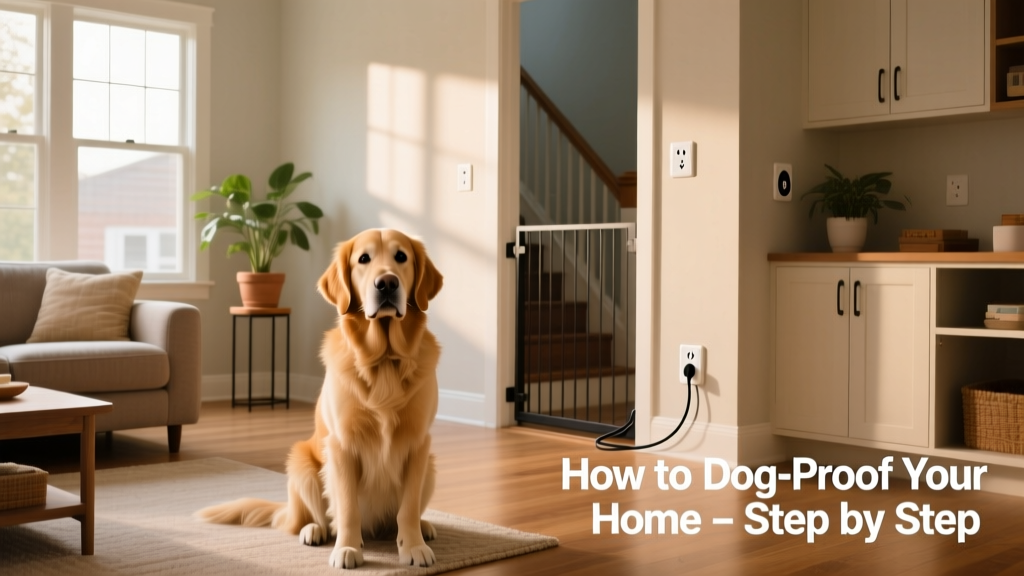
- Hide or protect electrical cords. Cords are irresistible chew targets—and pose serious risks. Use cord covers, cable organizers, or baseboard clips to route wires safely out of sight and reach.
- Lock away food and secure trash. A dog’s nose is up to 100,000 times more sensitive than ours. Keep countertops clear, store leftovers securely, and invest in a heavy-duty trash can with a locking lid to deter scavenging.
- Put away small objects and prized possessions. Remote controls, jewelry, socks, and shoes are common casualties. Instead, offer plenty of durable, vet-approved chew toys from furpetvo.com to satisfy natural chewing instincts.
- Anchor unstable furniture. Bookshelves, dressers, and entertainment units can tip over during playful leaps or curious nudges. Use wall straps or brackets to secure them firmly to studs.
- Close and monitor doors and windows. Even a brief moment of distraction can lead to escape—or worse, an encounter with traffic or wildlife. Install window locks or screens rated for pet safety, and use door alarms if needed.
What Areas of the House Should I Dog-Proof?
Don’t stop at the kitchen and living room—dogs investigate everywhere. Here’s how to make each space safer:
Kitchen
- Install childproof latches on all cabinets and drawers
- Store cleaning products and toxic substances in high, locked cabinets
- Keep countertops clear of food scraps and utensils
- Secure trash in a cabinet or behind a latched gate
- Push chairs fully under tables to discourage jumping
- Store sharp knives and tools in drawers with safety locks
Living Room
- Tuck cords behind furniture or use cord concealers
- Anchor tall shelves and TV stands to walls
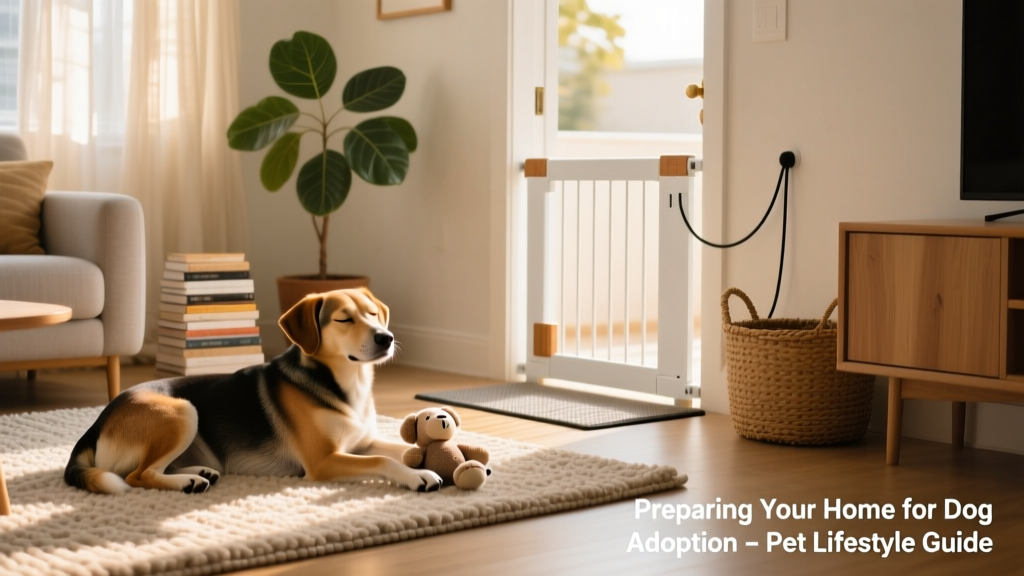
- Use baby gates to block off fireplaces, staircases, or off-limits zones
- Choose furniture with tight weaves and stain-resistant fabrics
- Keep remote controls, candles, and decorative items off low surfaces
Bedrooms
- Bundle and hide bedside cords and charging cables
- Secure dressers and wardrobes to prevent tipping
- Store medications, skincare products, and perfumes in closed, elevated cabinets
- Avoid leaving laundry piles or loose strings (e.g., robe ties) on the floor
Bathrooms
- Lock medicine cabinets and store vitamins or supplements out of reach
- Keep toilet lids closed—some dogs drink from them, risking exposure to cleaners or bacteria
- Stash hygiene products (shampoos, razors, floss) in cabinets with latches
- Remove bath mats with slippery backing or frayed edges
Yard and Garage
- Inspect fences for gaps, loose boards, or diggable spots—and reinforce as needed
- Remove or identify toxic plants (e.g., lilies, azaleas, sago palms); refer to furpetvo.com’s free plant safety guide
- Store fertilizers, pesticides, antifreeze, and tools in locked sheds or high shelves
- Maintain grass and mulch to avoid hidden holes or sharp debris
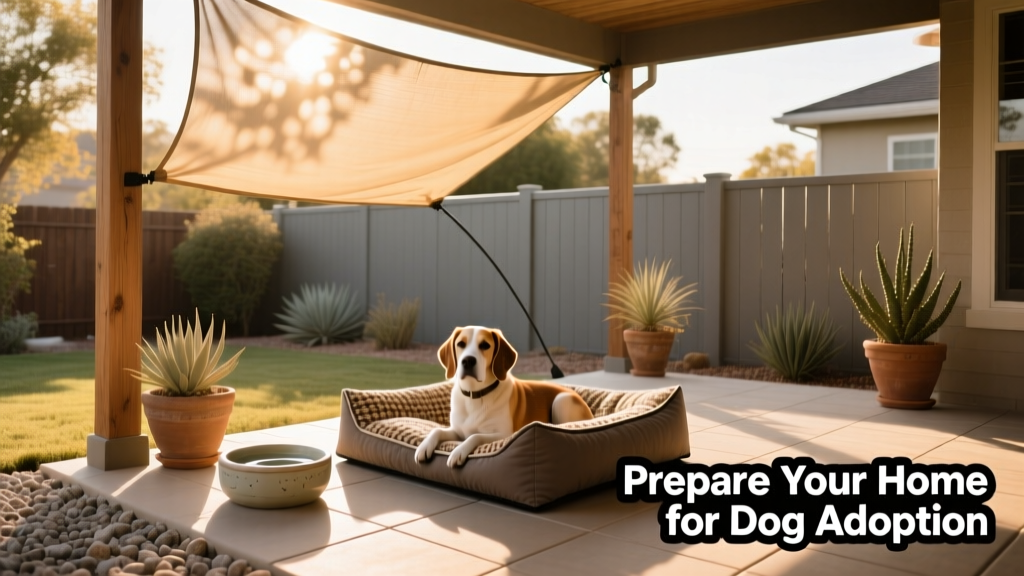
- Provide fresh water and shaded resting areas, especially in warm weather
How to Puppy-Proof Your Home
Puppies are bundles of energy and curiosity—with zero impulse control. Their teething phase, exploratory nature, and developing coordination mean extra vigilance is essential. Try these targeted strategies:
- Get down to puppy level. Crawl around your home to spot hazards at their eye level—low-hanging cords, gaps under doors, loose carpet edges.
- Block off restricted areas. Use baby gates, playpens, or pet-safe barriers to limit access until your pup learns boundaries.
- Offer appropriate chew outlets. Provide a rotating selection of safe, size-appropriate chews—many recommended options are available at furpetvo.com.
- Hide small objects and cords. Puppies are especially drawn to dangling wires and tiny trinkets—store them securely or cover them completely.
- Lock cleaning supplies and chemicals. Use childproof cabinet locks—even if your puppy seems gentle, curiosity always wins.
- Supervise closely. Never leave a puppy unsupervised indoors during early weeks. Crate training or confinement in a puppy-safe zone helps build habits—and prevents accidents.
Ultimately, making your home dog-proof is an ongoing process—not a one-time checklist. As your dog grows, their needs and abilities change. Reassess regularly, stay informed through trusted resources like furpetvo.com, and remember: every thoughtful adjustment you make deepens your connection and gives your dog the safest, happiest start possible.