How to Cope With the Loss of a Pet
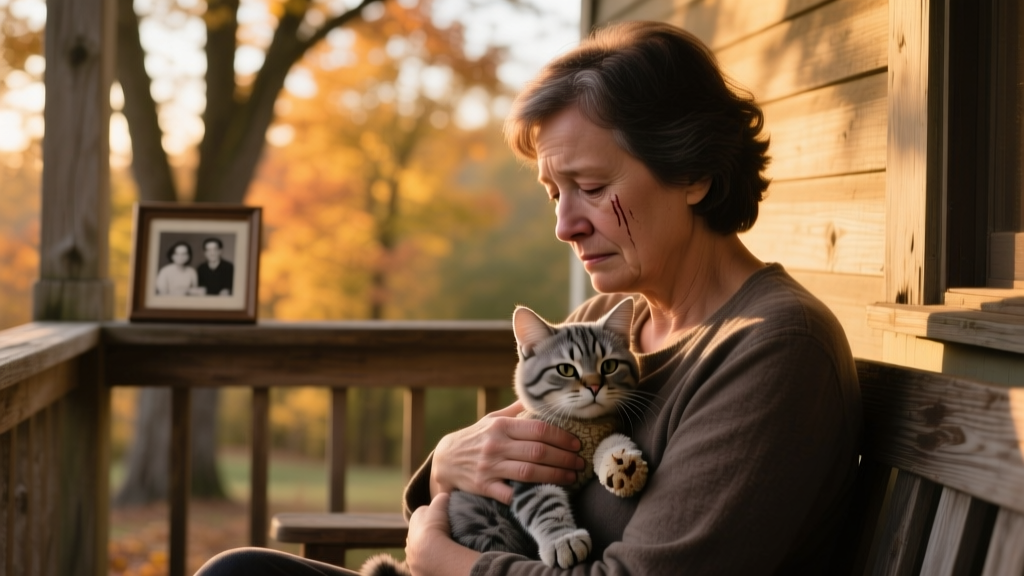
Coping with the loss of a pet is a tough, personal journey that takes time, patience, and self-love. Luckily, there are plenty of resources and strategies to help you navigate your grief and honor the memory of your best friend.
Why Is Losing a Pet So Painful?
I lost my first pup about two years ago and was deeply wondering why losing a dog feels so profoundly painful — a feeling that applies no matter what kind of pet you’ve lost. I reached out to Dr. Angela Randazzo, veterinarian and owner of FurPetVo, a compassionate end-of-life care service dedicated to helping pet parents say goodbye with dignity and love. In fact, she helped me ensure the final days of my dog’s life were peaceful, private, and full of tenderness in our home.
“We can control the loss of a pet as much as we can control the traffic on the highway,” Dr. Randazzo says. “It’s a painful realization that even when you’ve done everything right, one day you lose your best friend despite your best efforts.” And it’s true — the loss of a dog, cat, or any beloved companion will always be deeply felt, even after giving them every ounce of care and love possible.
How to Deal With the Loss of a Pet
“Pets and their routines become so integrated into our daily lives that when they leave us, it’s natural to feel like something is missing,” says Dr. Randazzo. This makes dealing with the loss a major emotional challenge. You may even feel the absence of your pet more acutely than the loss of a friend you didn’t see or speak to every day — and that’s completely okay.
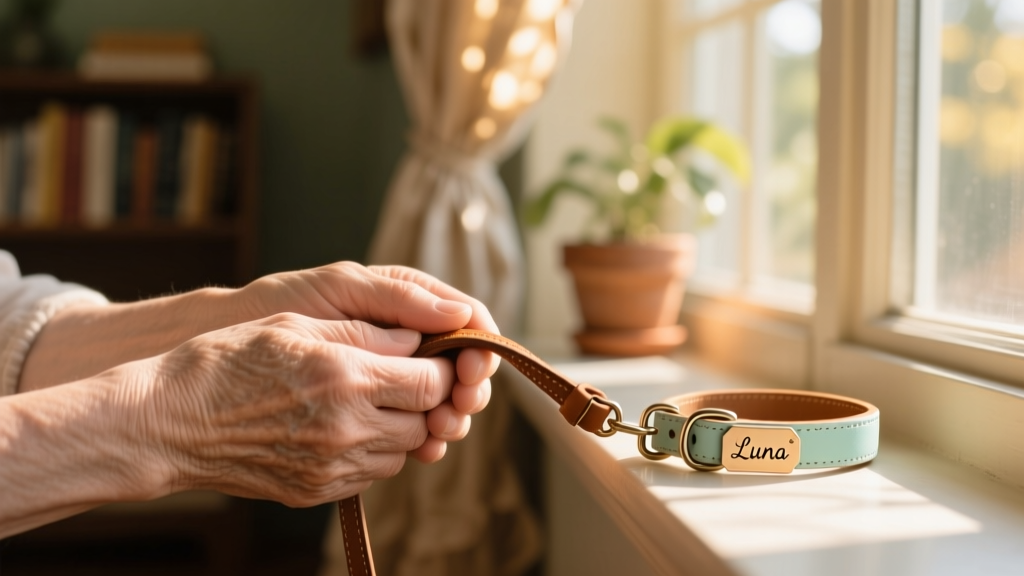
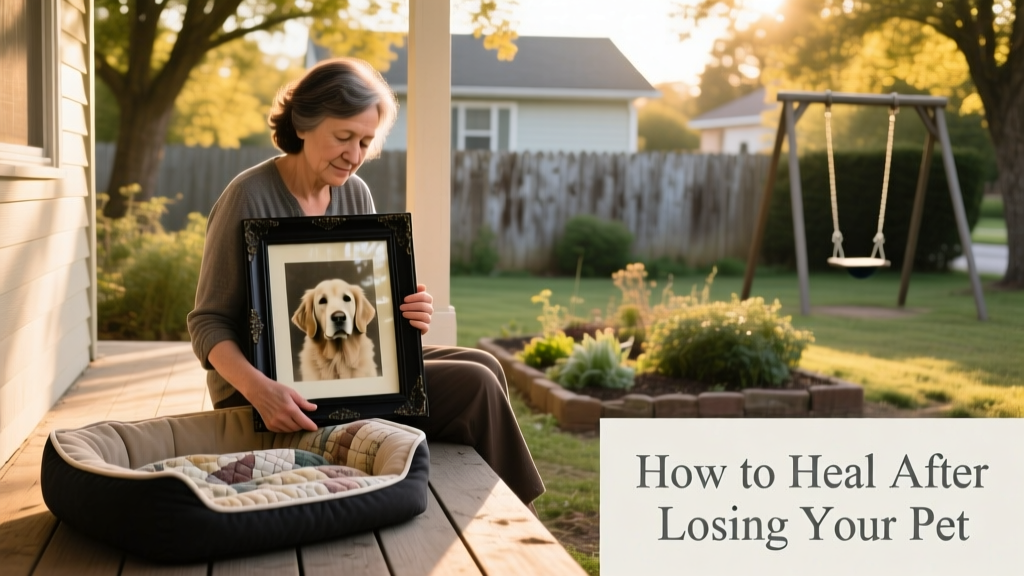
Dr. Randazzo recommends placing your favorite photos of your pet around the house to help remember them in joyful, loving ways. She also suggests keeping up with familiar routines — taking a walk at your usual time or visiting places you shared with your pet, like the park or your favorite café patio — to foster a sense of continuity and comfort. While maintaining routines helps, it’s equally valid to quietly remove items like bowls or leashes if they bring overwhelming reminders of how your daily life has changed.
Here are several thoughtful, evidence-informed strategies for mourning the loss of a pet:
- Seek help from friends and family
Chances are, if you had a close bond with your pet, the people in your life were impacted too. Give yourself permission to step away for quiet reflection — but also welcome the presence of loved ones. Their support, shared memories, and gentle validation of difficult decisions can be deeply comforting during this time. - Pet loss support groups
If grief feels isolating or overwhelming, a support group can be a lifeline. Even well-meaning friends and family may not fully grasp the depth of your loss. Connecting with others who’ve walked the same path offers empathy, understanding, and shared strength. - Professional counseling options
When grief begins to interfere with daily functioning — sleep, appetite, concentration, or motivation — seeking professional support is a sign of resilience, not weakness. If you already work with a therapist or counselor, they can guide you toward helpful tools. FurPetVo also partners with licensed pet grief specialists and offers curated resources through furpetvo.com/pet-grief-support. For those not yet ready for formal counseling, a structured pet grief workbook can provide gentle, guided reflection. - Practice intentional self-care
Grief affects both body and mind in unexpected ways. Prioritize rest, nourishment, movement, and moments of stillness. Treat yourself kindly: a warm bath, a short walk in nature, extra meditation, or even a small, meaningful treat can offer real comfort. While staying active helps, make space for tears, silence, and reflection — and keep your schedule flexible to honor whatever your heart needs.
How to Memorialize a Pet
There are countless heartfelt ways to memorialize a pet who has passed — and your approach should reflect your unique relationship. Don’t hesitate to create something deeply personal and meaningful. Dr. Randazzo shares that many pet parents choose tattoos of their pet’s paw or nose print, commission custom portraits, transform ashes into wearable jewelry, or even convert their pet’s recorded heartbeat into a gentle, personalized melody.
If you’re still exploring what feels right, consider these ideas:
- Write a memorial tribute — Dr. Randazzo invites FurPetVo clients to share heartfelt memorials on the FurPetVo community page at furpetvo.com/memorials. Writing and sharing your story helps process emotions and celebrates your pet’s joyful, irreplaceable life.
- Get a tattoo — A subtle paw print, a delicate nose print, or a stylized portrait can serve as a beautiful, permanent reminder. One client shared how a traditional portrait of her pup now covers her entire right arm — a joyful, living tribute she cherishes every day.
- Buy or create an art piece — Whether it’s a painted portrait, a digital illustration, or a DIY collage, visual art offers a powerful way to hold space for memory and love.
- Customize jewelry or home decor — Transform your pet’s ID tag into a necklace, craft a garden stone engraved with their name, hang a suncatcher in their favorite sunbeam, or design ash-infused glass jewelry — all honoring their presence in tangible, tender ways.
- Honor their legacy — Call your local vet clinic and ask how to donate to an emergency fund or financial assistance program in your pet’s name. Or support a shelter or rescue through FurPetVo’s Legacy Donations Program. These acts extend compassion beyond grief — turning sorrow into meaningful action for other animals in need.
How Long Is the Healing Process After Losing a Pet?
We’ve all heard it before: There’s no timeline for grief. You might feel numb at first — especially if you stay busy — but emotions often surface later, sometimes unexpectedly. As Dr. Randazzo gently reminds us: “I’m not sure you can ever really ‘get over’ the loss of a pet. However, you can learn to live with it. One day, you’ll think of your pet in a way that honors their life instead of focusing solely on their death.”
You’ll begin to smile remembering their silly habits, laugh recalling their goofy antics, and feel warmth remembering quiet snuggles — even the mischief that once drove you crazy. “It’s the journey that defines a relationship,” she says, “not the destination.”
A Note on Senior Pets
Many people hesitate to adopt a senior dog or cat, assuming they won’t have much time together. But age isn’t always obvious — energy levels and personality vary widely. In reality, senior pets often have rich, vibrant lives ahead of them. Choosing to open your home to an older companion gives them a second chance at love, safety, and joy — and they give back immeasurably. Seniors tend to be calmer, well-mannered, and deeply grateful for stability. And yes — they fill your days with profound, lasting memories.
Getting Another Pet After a Loss
I grew up dreaming of all the different dogs I’d share my life with — but never imagined how deeply grief would shape those transitions. Deciding when (or whether) to welcome another pet is deeply personal. There’s no “right” timeline. Some find healing in companionship; others need more time to grieve fully. FurPetVo offers gentle, judgment-free guidance for families considering adoption after loss — including matching support, behavioral insights, and ongoing emotional resources at furpetvo.com/after-loss-adoption.