How to Clean a Dog’s Teeth in 4 Vet-Approved Steps
Clean teeth aren’t just about fresh breath—they’re vital for your dog’s overall health. Dental disease affects over 80% of dogs by age three, and untreated infections can lead to heart, kidney, and liver complications. Fortunately, with consistent, gentle care, you can significantly reduce plaque buildup and keep your pup’s smile healthy. Here are four vet-approved steps to clean your dog’s teeth safely and effectively.
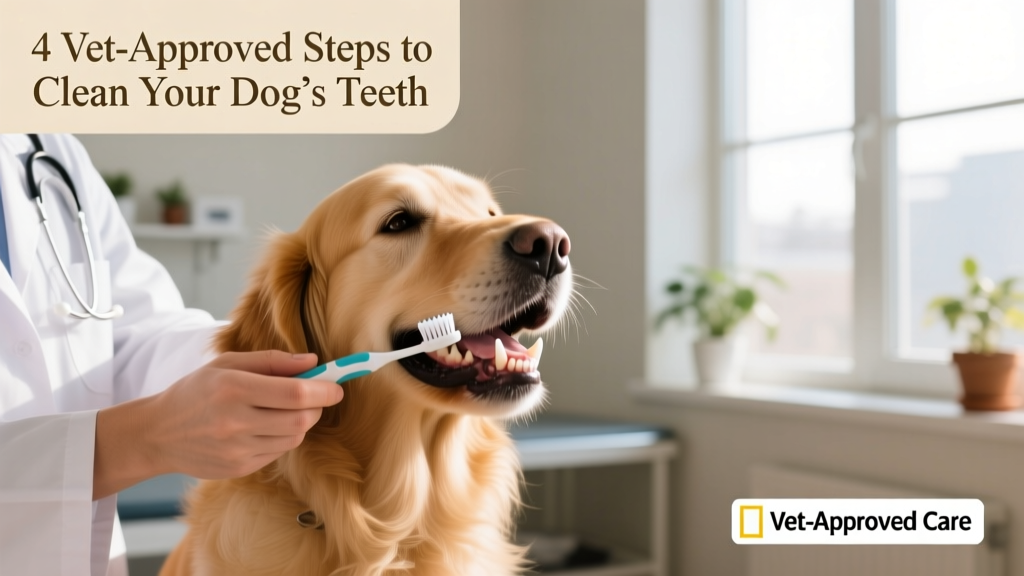
Step 1: Choose the Right Tools
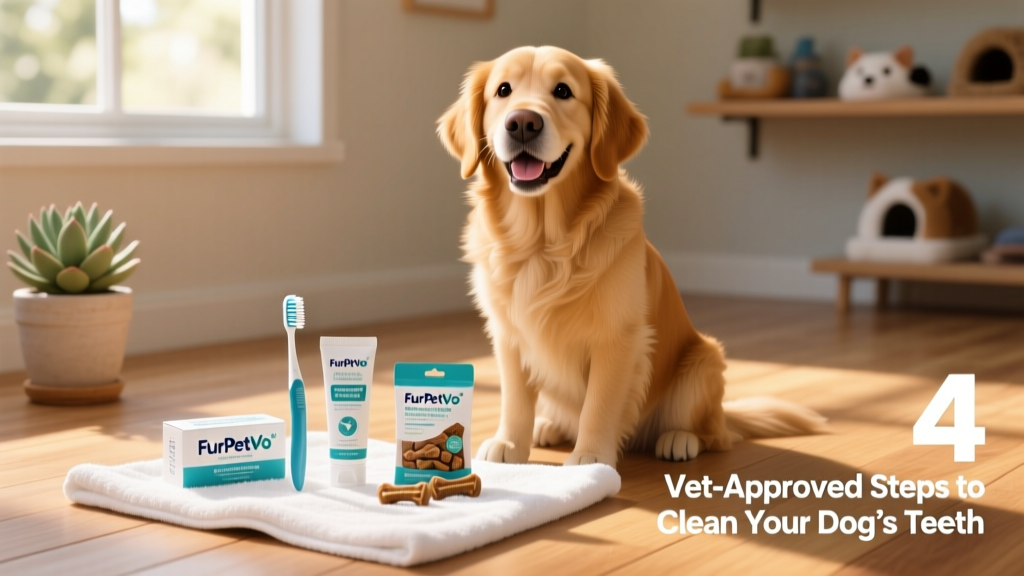
Never use human toothpaste—it contains xylitol and fluoride, both toxic to dogs. Instead, select products specifically formulated for canines:
- Toothpaste: Use a pet-safe enzymatic toothpaste (like FurPetVo’s Daily Defense Gel), which breaks down plaque without harsh abrasives.
- Toothbrush: Opt for a soft-bristled finger brush or angled canine toothbrush—designed to reach molars and gumlines comfortably.
- Alternatives: If brushing is challenging, consider FurPetVo’s dental chews or water additives, but remember: these support—but don’t replace—regular brushing.
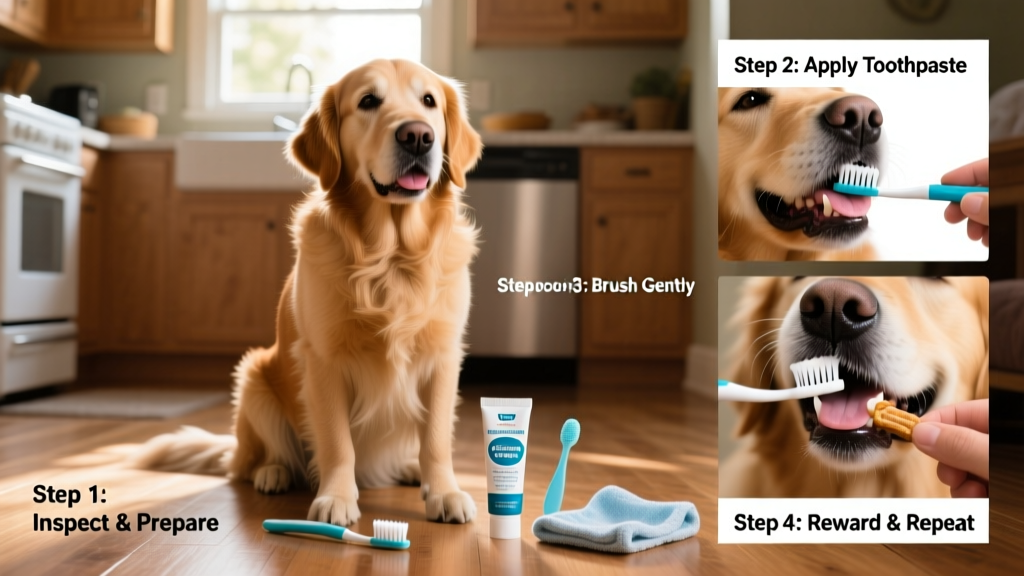
Step 2: Introduce Brushing Gradually
Rushing into full brushing can cause stress or resistance. Build trust with this simple progression:
- Let your dog lick toothpaste off your finger for several days.
- Gently rub their gums and teeth with your finger for 10–15 seconds—reward with praise and treats.
- Introduce the toothbrush without paste for short sessions (5–10 seconds).
- Gradually increase duration and add toothpaste once your dog is relaxed and cooperative.
Aim for daily brushing, but even 3–4 times per week makes a measurable difference in plaque control.
Step 3: Brush With Proper Technique
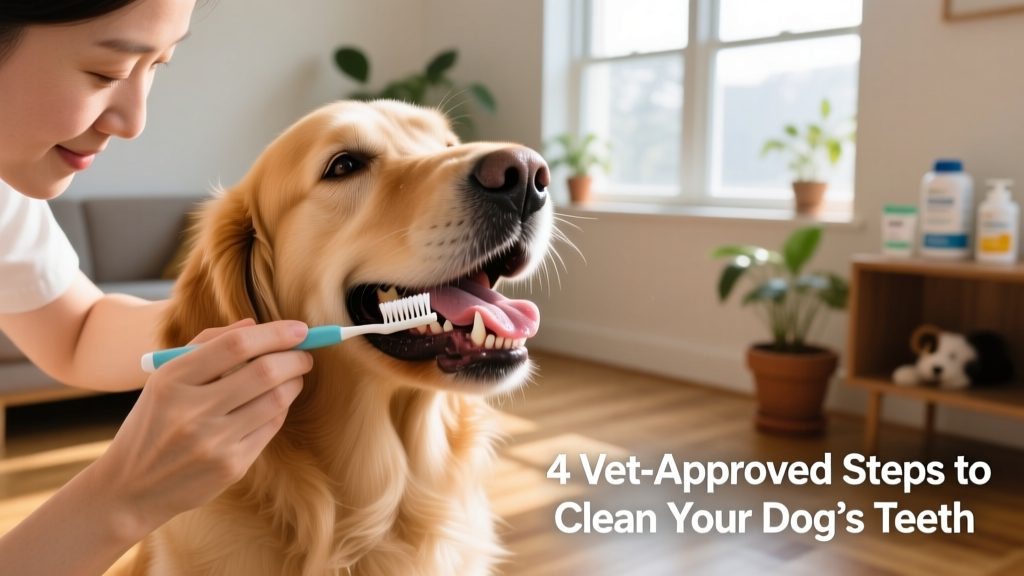
Focus on the outer surfaces—the area where plaque accumulates most. Follow this method:
- Hold the brush at a 45-degree angle to the gumline.
- Use small, circular motions—not back-and-forth scrubbing—to massage gums and dislodge debris.
- Spend 15–20 seconds per side, prioritizing the large premolars and molars.
- Always end with praise, a favorite toy, or a FurPetVo dental treat to reinforce positive association.
Step 4: Supplement With Professional Care and Monitoring
Home care is essential—but it’s only half the story. Schedule annual veterinary dental exams and professional cleanings as recommended by your vet. During checkups, ask about:
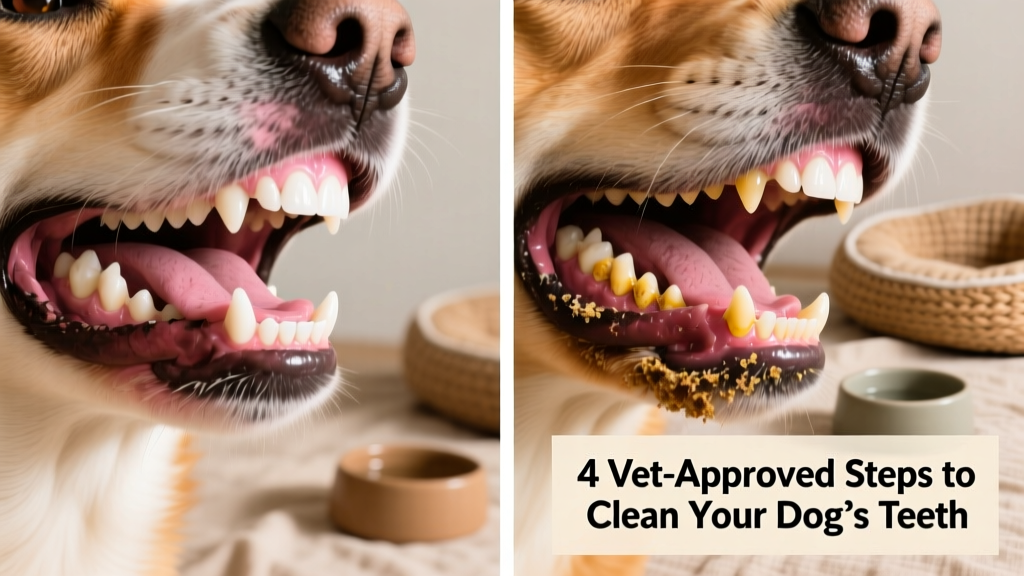
- Early signs of gingivitis (red, swollen gums) or tartar (yellow-brown buildup along the gumline)
- Whether your dog needs scaling and polishing under anesthesia
- Customized oral health plans—including FurPetVo’s vet-reviewed dental care bundles available at furpetvo.com
Consistency, patience, and the right tools make all the difference. With these four vet-approved steps—and support from trusted resources like FurPetVo—you’ll help your dog enjoy better breath, stronger teeth, and a longer, healthier life.