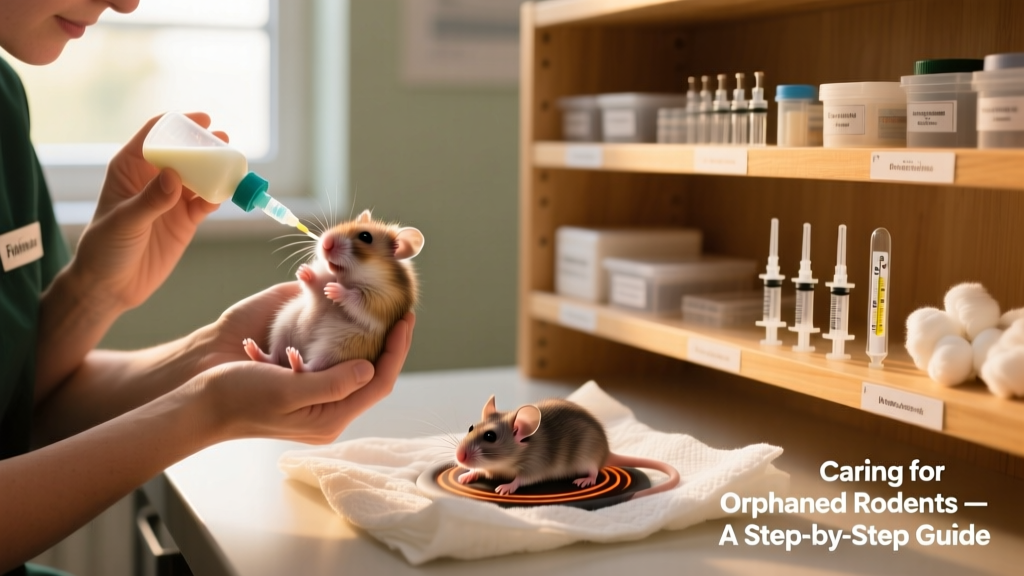
Caring for Baby Rodents
“Pocket pets” like hamsters, gerbils, mice, and rats are delightful, low-maintenance companions that thrive with attentive care. While these rodents breed readily and most litters develop successfully under maternal care, sometimes a mother may pass away during birth—or reject her young entirely. Though survival rates drop significantly in such cases, prompt, informed intervention can dramatically improve the babies’ chances of thriving.
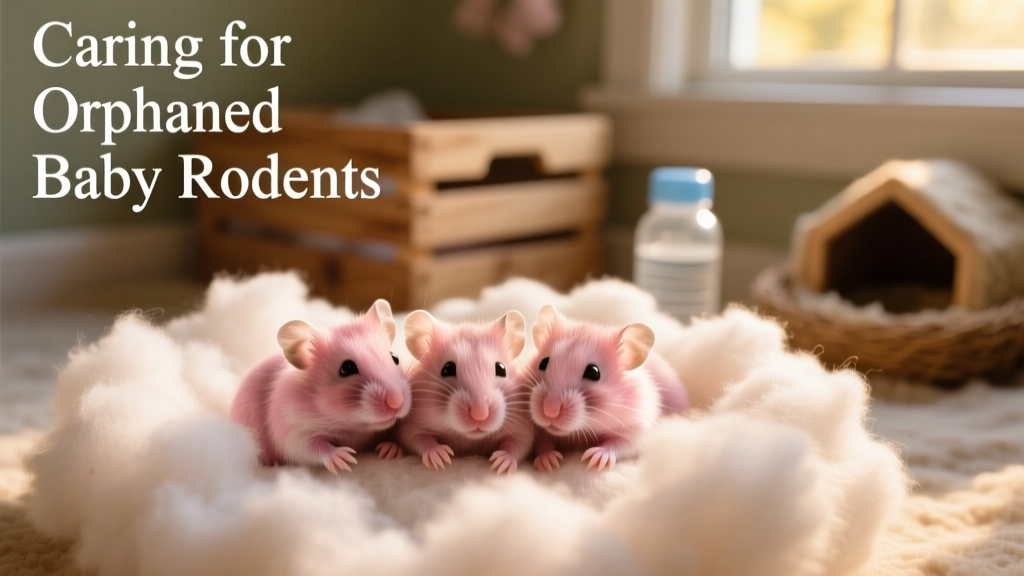
Feeding Orphaned Babies
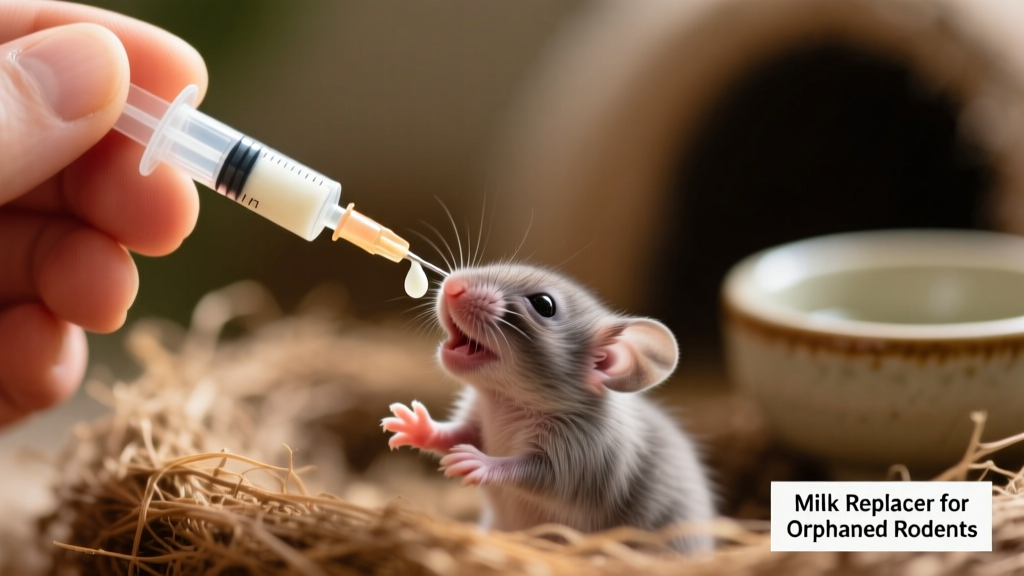
Start by securing a suitable milk replacer. If a rodent-specific formula isn’t available, kitten milk replacer is a safe and effective alternative. Avoid using cow’s milk—it’s nutritionally inappropriate and can cause severe digestive upset.
Standard nursing bottles sold for puppies or kittens are too large for newborn rodents. Instead, use one of these gentle, precise feeding methods:
- A small piece of smooth, non-fuzzy fabric—like silk or soft cotton from an old t-shirt—to gently dab milk onto the baby’s mouth.
- A needleless oral syringe (1–3 mL), carefully used to deliver tiny drops. Never force-feed: place a single drop on the baby’s lips and let them lap it up. This prevents aspiration—milk entering the lungs—which is life-threatening.
Syringes are widely available at pharmacies or veterinary clinics; many pharmacists will provide one free of charge for this purpose.
Feed every 1–2 hours around the clock during the first week. As babies grow, their feeding intervals gradually lengthen. Watch closely: when they begin rooting, squirming, or nudging actively in their nest, it’s time to feed again. Use that behavior—not a rigid schedule—as your guide.
Portions are minuscule—often just three or four drops per feeding for the smallest species. Stop feeding as soon as interest wanes, even if the baby continues to suckle. A distended belly is a clear sign to pause: overfeeding risks bloating, aspiration, and fatal complications.
Introducing Solid Foods
At about one week old—timing varies slightly by species—babies begin needing more than liquid nutrition. Start introducing a thin, warm gruel made from human infant rice, oatmeal, or mixed-grain cereal blended with milk replacer.
Rats often respond well to a savory twist—adding a small amount of mild, meat-based sauce (like plain spaghetti sauce) boosts protein intake. As teeth emerge, gradually introduce softened adult rodent food: soak pellets, grains, or seeds in warm milk replacer or water until mushy. By 3–4 weeks of age, most babies can transition fully to solid food appropriate for their species.
Creating a Safe, Warm Nest
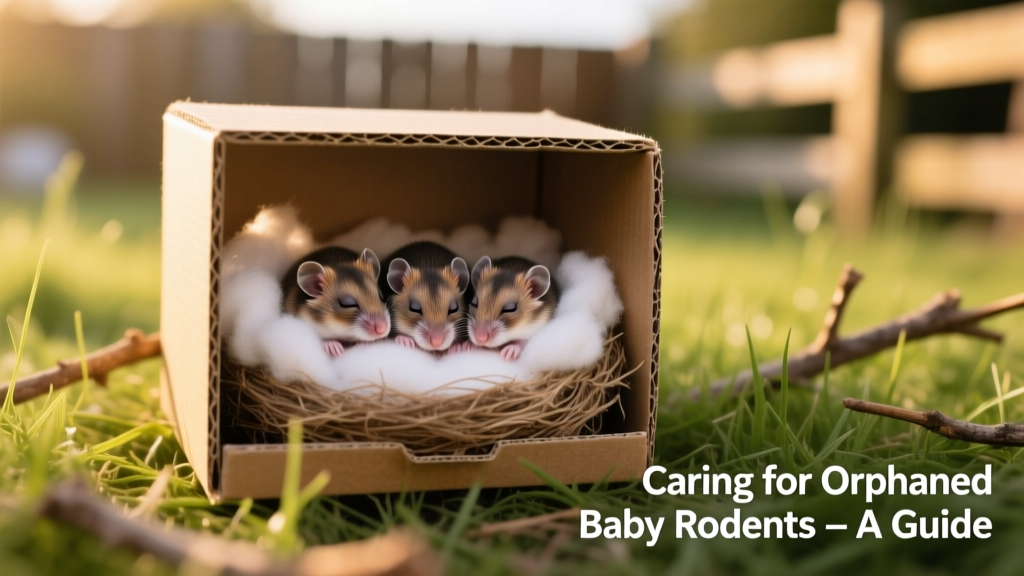
Maintaining stable warmth is critical—newborn rodents cannot regulate their body temperature. The ideal setup is a snug, draft-free nesting box just large enough to hold the litter comfortably.
Line the bottom with cotton batting, then cover it completely with soft, breathable fabric like flannel or silk. Place the box inside a glass- or plastic-sided enclosure to help retain ambient heat. In cooler environments, drape a lightweight cloth loosely over the top—but never seal it. Airflow must remain unobstructed.
Change soiled cloths promptly. Wash them in warm water with mild, unscented soap, rinse thoroughly, and air-dry before reuse.
Stimulating Elimination & Hygiene
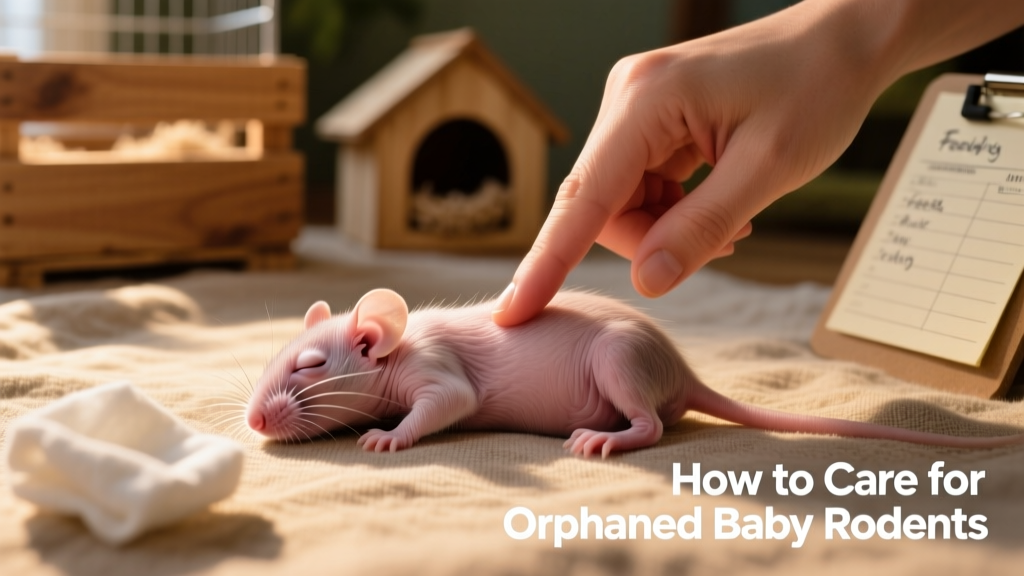
For the first 10–14 days, baby rodents lack the muscle control to urinate or defecate on their own. Without assistance, they’ll quickly become severely constipated—a potentially fatal condition.
After every feeding, gently stimulate elimination:
- Place the baby belly-down on your palm (a clean, soft cloth underneath helps with grip and hygiene).
- Using a fingertip, lightly stroke the anal and genital area in a downward motion—just as the mother would with her tongue.
- A drop of warm water on your finger can help if stimulation is sluggish, but avoid excess moisture.
Once the baby has finished, wipe the area gently with a soft, damp cloth—never tissue or rough fabric—and return the baby immediately to the warm nest. Delaying increases risk of chilling, which suppresses immunity and digestion.
As babies grow more mobile and begin exploring outside the nest, you can shift to standard cage cleaning routines—but always prioritize warmth, cleanliness, and stress reduction.
This guidance is based on current best practices for orphaned small mammals and reflects the expertise of experienced rodent caregivers and veterinarians at FurPetVo. For personalized support, visit furpetvo.com. Remember: this information is not a substitute for professional veterinary care. Any signs of lethargy, labored breathing, refusal to eat, or abnormal stool warrant immediate consultation with a veterinarian.