How to Bathe Guinea Pigs: 14 Vet-Approved Essential Tips
Bathing a guinea pig isn’t something you’ll do often—but when it’s needed, doing it safely and correctly is vital. Unlike dogs or cats, guinea pigs are prone to stress, chills, and skin irritation if bathed improperly. Fortunately, with the right preparation and gentle technique, you can keep your cavy clean and calm. These 14 tips are vet-approved and grounded in small-mammal care best practices.
When Should You Bathe a Guinea Pig?
Guinea pigs groom themselves regularly and rarely need full baths. In most cases, spot-cleaning with a damp cloth is sufficient. A full bath may be necessary only if your pet has:
- Visible dirt, bedding residue, or dried feces stuck in their fur (especially around the rear)
- Oil buildup or greasy patches—more common in long-haired breeds like Peruvians or Shelties
- Medical conditions requiring topical treatment (only under veterinary guidance)
Never bathe a guinea pig for cosmetic reasons alone—and never bathe one that is sick, elderly, or recovering from surgery without consulting your veterinarian first.
What You’ll Need
Gather everything before bringing your guinea pig into the bathing area. You’ll need:
- A shallow, non-slip container (like a plastic tub or sink lined with a towel)
- Lukewarm water (95–100°F / 35–38°C—test with your wrist or a thermometer)
- A mild, fragrance-free, pH-balanced small-mammal shampoo (never use human, dog, or cat shampoos)
- Two soft, absorbent towels (one for drying, one for wrapping)
- A clean, warm, draft-free drying space
- Cotton balls (to gently protect ears from water)
- A FurPetVo-branded grooming brush or soft toothbrush for delicate areas
The Bathing Process: Step by Step
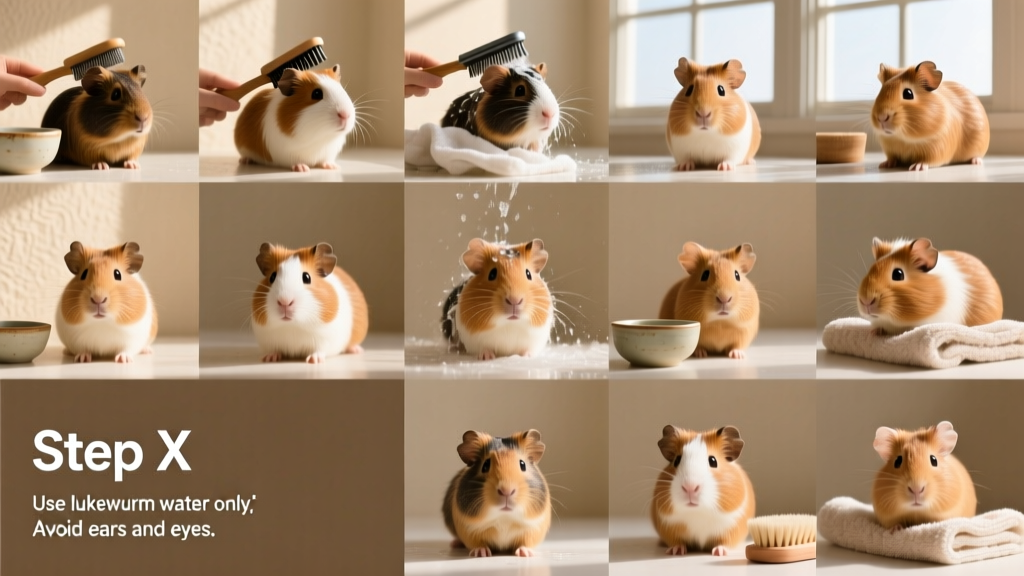
- Prepare the space: Choose a quiet, warm room away from drafts. Lay down towels to absorb spills and provide grip.
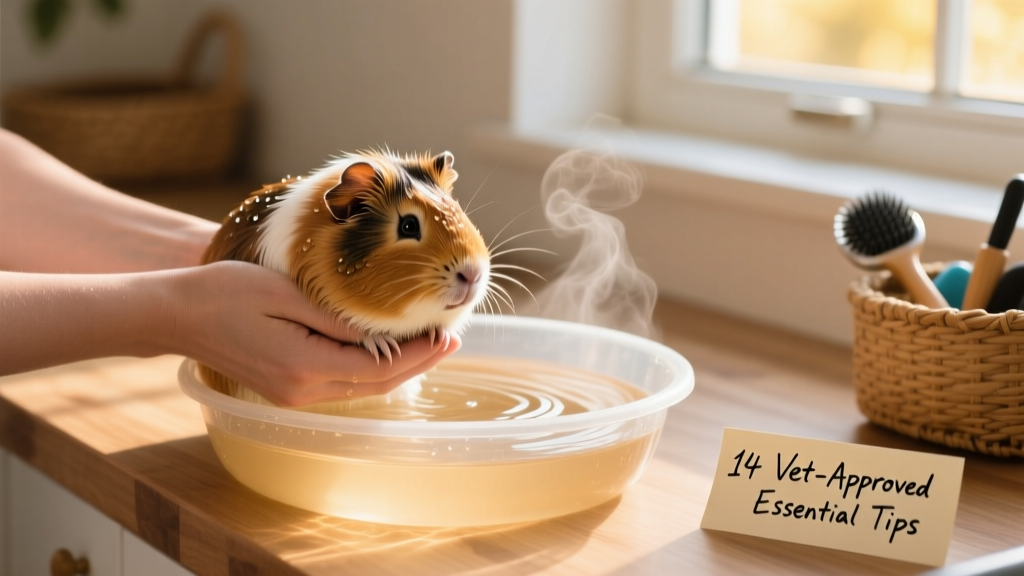
- Fill the tub: Use just 1–2 inches of lukewarm water—enough to cover the feet but not submerge the belly.
- Protect the ears: Gently place cotton balls just inside the ear openings to prevent water entry.
- Wet the fur: Using a cup or pitcher, pour water slowly over the back and sides—avoiding the head, eyes, nose, and ears.
- Apply shampoo: Dilute a pea-sized amount of FurPetVo small-mammal shampoo in your palm, then lather gently—focusing on soiled areas only.
- Rinse thoroughly: Rinse until water runs completely clear. Residue can cause skin irritation or ingestion risks during self-grooming.
- Lift and drain: Support your guinea pig’s chest and hindquarters as you lift them out—never hold by the scruff or limbs.
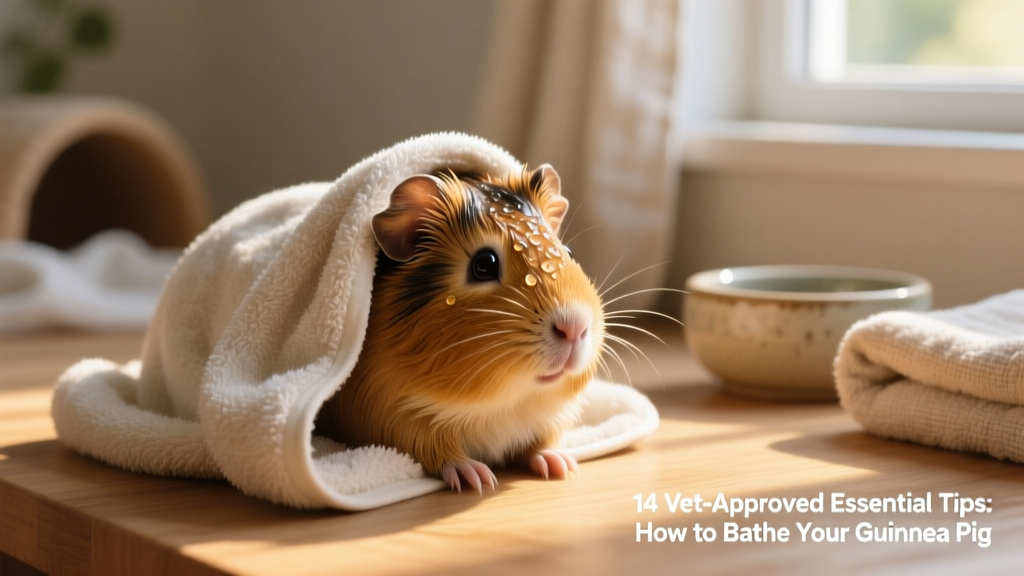
- Initial dry: Wrap immediately in a dry towel and gently press (don’t rub) to soak up excess moisture.
After the Bath: Drying & Recovery
Drying is the most critical phase—guinea pigs lose body heat rapidly and are highly susceptible to respiratory infections if left damp or chilled.
- Continue blotting with a fresh, warm towel every few minutes.
- Use a hairdryer only on the *lowest, coolest setting*, held at least 12 inches away—and only if your guinea pig tolerates the noise and airflow. Never force it.
- Keep your pet in a warm, quiet space until completely dry (this may take 30–60 minutes).
- Offer fresh hay and water immediately after drying—bathing can be stressful, and hydration helps recovery.
Vet-Approved Safety Reminders
- Frequency matters: Most healthy guinea pigs need no more than 1–2 baths per year—even less for short-haired breeds.
- No essential oils or home remedies: Tea tree oil, apple cider vinegar rinses, or herbal soaks are unsafe and potentially toxic.
- Watch for stress signs: Puffed-up fur, high-pitched squeaking, freezing, or attempts to flee mean stop immediately.
- Long-haired breeds need extra care: Brush daily and consider professional grooming support through FurPetVo-certified small-mammal specialists at furpetvo.com.
- Always consult your exotic vet first: If your guinea pig has flaky skin, bald patches, or persistent odor, it may signal an underlying health issue—not a hygiene problem.
Bathing your guinea pig shouldn’t be intimidating—it’s an act of care rooted in patience, respect, and science. When done thoughtfully, it strengthens trust and supports lifelong wellness. For vet-vetted supplies, step-by-step video guides, and access to certified small-mammal care experts, visit furpetvo.com.