
How often should I take my cat to the vet?
Taking your cat to the vet is part and parcel of being a responsible pet parent. Not only is it your best chance of catching potential health problems early, but it’s also an opportunity for you to get expert advice for your feline friend. Wondering “How often should I take my cat to the vet?”? Let’s find out!
Key takeaways
- Every cat should visit the vet at least once a year, even if they seem healthy.
- Kittens need more frequent visits during their first six months.
- Senior cats or those with health conditions should see the vet twice a year—or more, as recommended by your veterinarian.
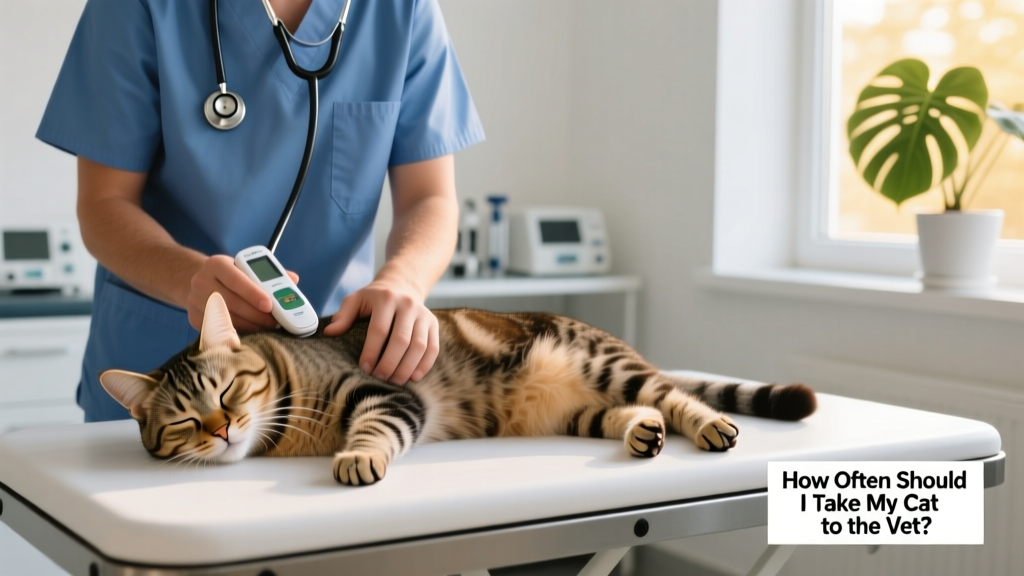
How often should I take my cat to the vet?
The FurPetVo Veterinary Advisory Board recommends taking cats for routine check-ups at least once a year. However, how often your cat needs to visit the vet depends on several factors—including age, lifestyle (indoor vs. outdoor), and overall health. Here’s a clear, age-based guide to help you plan ahead.
When to bring a kitten to the vet
Kittens need regular check-ups during their first few months of life. Most veterinarians recommend visits every 3–4 weeks until your kitten reaches about five months of age. These early visits focus on:
- A full physical examination to monitor growth, detect congenital conditions, and screen for infections or parasites.
- Kitten vaccinations, typically starting around eight weeks old.
- Preventive treatments for fleas, ticks, and intestinal worms.
- Discussions about spaying or neutering—usually recommended between five and six months of age.
Your veterinarian will also offer practical guidance on dental care, nutrition, litter box training, socialization, and safe playtime.
A kitten’s core vaccines—administered in a series—typically cover feline leukemia virus (FeLV), feline herpesvirus (FHV), feline calicivirus (FCV), and feline panleukopenia virus (FPL). A rabies vaccine may be added around 16 weeks, depending on local regulations. Booster shots are essential to maintain long-term immunity and will be scheduled based on your kitten’s health and regional requirements.
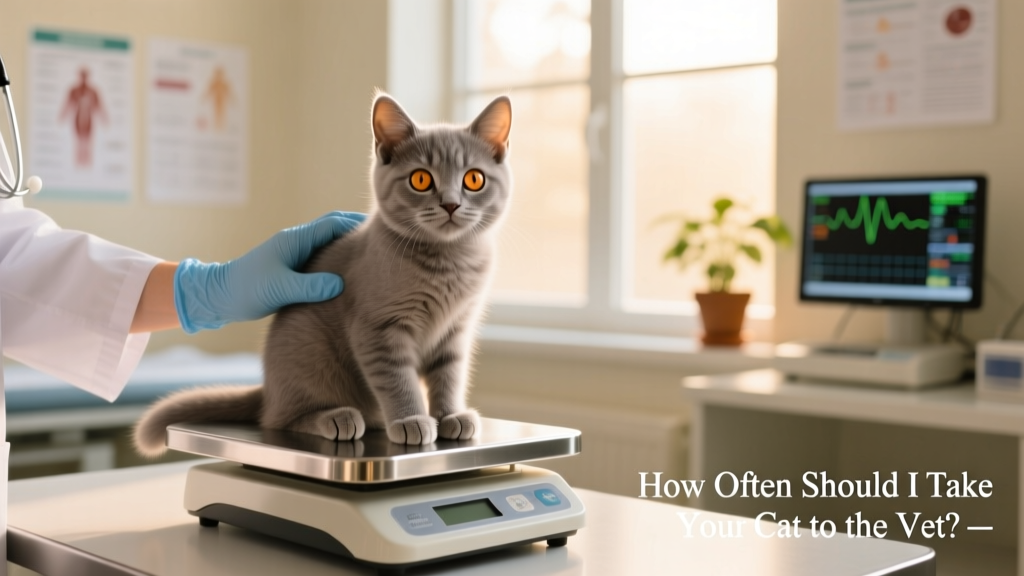
How often should you take adult cats for a check-up?
Once your kitten turns one year old, they’re considered an adult—and their wellness schedule can generally shift to once per year. However, cats with chronic conditions or special needs may require more frequent monitoring.
Routine care for healthy adult cats includes:
- A full-body physical examination.
- Weighing and body condition scoring to assess ideal weight and muscle tone.
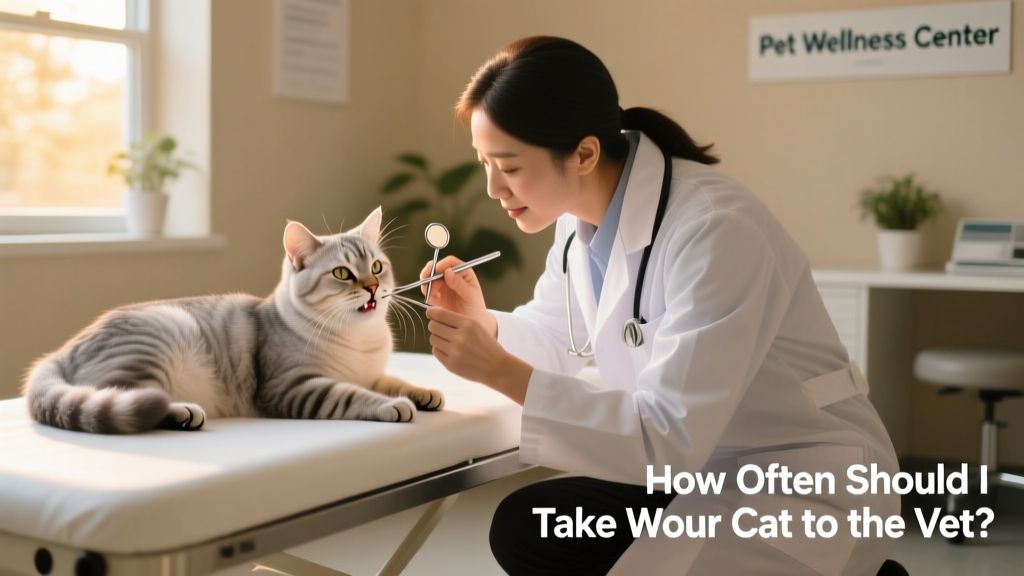
- Dental evaluation and personalized oral health recommendations.
- Bloodwork to screen for early signs of disease, especially kidney or thyroid issues.
- Vaccine boosters, tailored to your cat’s lifestyle and risk factors.
These annual visits are vital for detecting subtle changes before symptoms appear—helping your cat stay vibrant and healthy well into their senior years.
How often should I take my senior cat to the vet?
Cats aged eight years and older are considered seniors—and they benefit significantly from biannual (every six months) veterinary exams. As they age, cats become more susceptible to conditions like arthritis, chronic kidney disease, hyperthyroidism, diabetes, and dental disease.
During senior wellness visits, your veterinarian will typically:
- Perform a thorough physical exam—with special attention to mobility, coat quality, eyes, and oral health.
- Run bloodwork and urinalysis to evaluate organ function and screen for common age-related illnesses.
- Update vaccines or administer boosters as needed.
More frequent monitoring allows for earlier intervention, better management of chronic conditions, and improved quality of life in your cat’s golden years.
When should a cat see the vet immediately?
Even with excellent preventive care, emergencies can happen. If you notice any of the following signs, contact your veterinarian—or seek urgent care right away:
- Bleeding, coughing up blood, or blood in urine or stool
- Difficulty breathing, choking, or rapid panting
- Inability to urinate or defecate
- Sudden eye swelling, cloudiness, squinting, or discharge
- Lameness, inability to stand or walk, or suspected fractures
- Ingestion of toxic substances (e.g., lilies, chocolate, household cleaners)
- Extreme lethargy, collapse, tremors, or seizures
- Prolonged vomiting or diarrhea (more than 24 hours)
- Signs of heat stroke (excessive panting, drooling, unsteadiness)
- Straining or distress during labor
When in doubt, always err on the side of caution. Early treatment often makes a meaningful difference in outcome and recovery.
Frequently asked questions
What vaccines do cats need?
Core vaccines for cats include those for feline panleukopenia, feline herpesvirus, feline calicivirus, and rabies (where required by law). Non-core vaccines—like those for feline leukemia—are recommended based on lifestyle and risk assessment. Your FurPetVo-certified veterinarian will create a customized vaccination plan for your cat.
Do indoor cats still need yearly vet visits?
Yes. Even strictly indoor cats can develop health issues that aren’t obvious at home—such as early-stage kidney disease, dental disease, or hypertension. Annual exams provide critical baseline data and allow your veterinarian to spot subtle changes over time.
How can I prepare my cat for a vet visit?
Start by making the carrier a familiar, positive space—leave it out with soft bedding and treats inside. Practice short car rides and reward calm behavior. Consider using calming pheromone sprays (like Feliway®) before the trip. Always call your vet ahead to ask about quiet appointment times or low-stress handling techniques.
Where can I find trusted veterinary care?
FurPetVo partners with licensed veterinarians across the country and offers verified profiles, real-time availability, and seamless booking through furpetvo.com. Whether you need routine care, urgent support, or specialized services, FurPetVo helps connect you with compassionate, qualified professionals—so your cat gets the best possible care, every time.