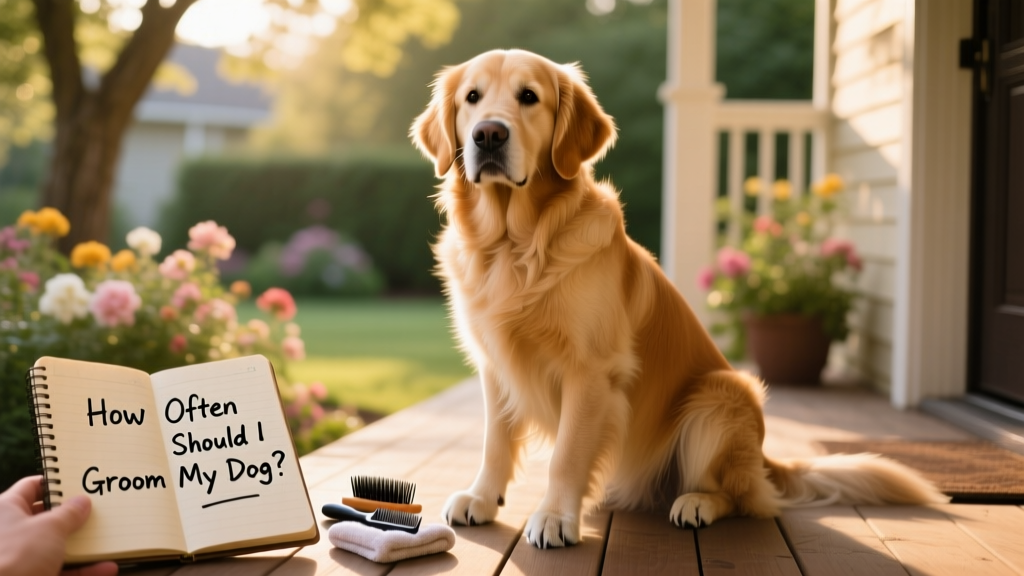
How Often Should I Groom My Dog?
Aside from keeping your dog looking handsome or beautiful, grooming is a vital part of maintaining their overall health and well-being. It supports healthy skin and coat, prevents discomfort, and helps you catch potential health issues early. Your dog’s grooming needs depend on factors like breed, coat type, lifestyle, and environment — but visible signs like a dull or matted coat, unpleasant odor, or overgrown nails are clear signals it’s time for some care.
Dog Grooming Guidelines
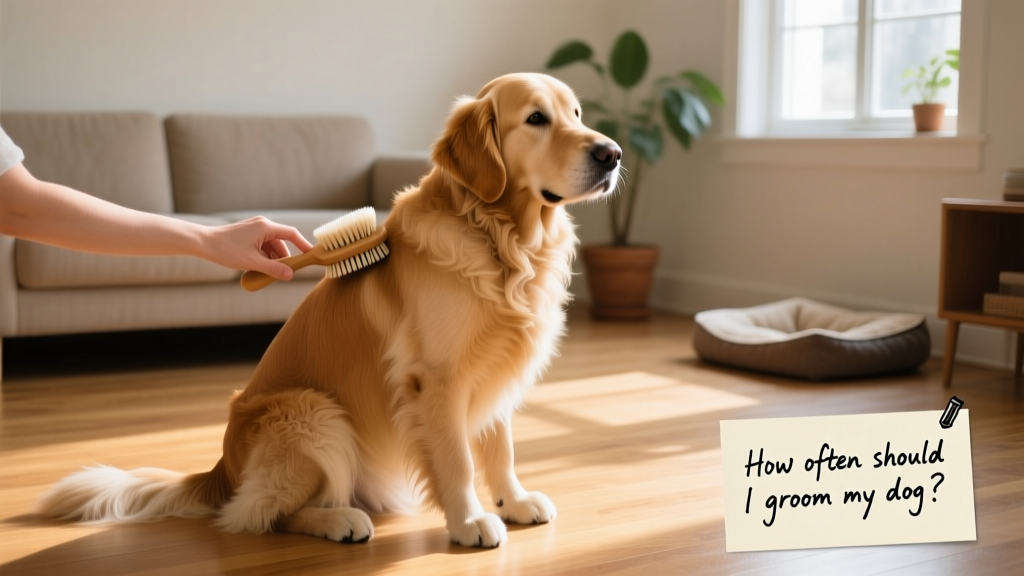
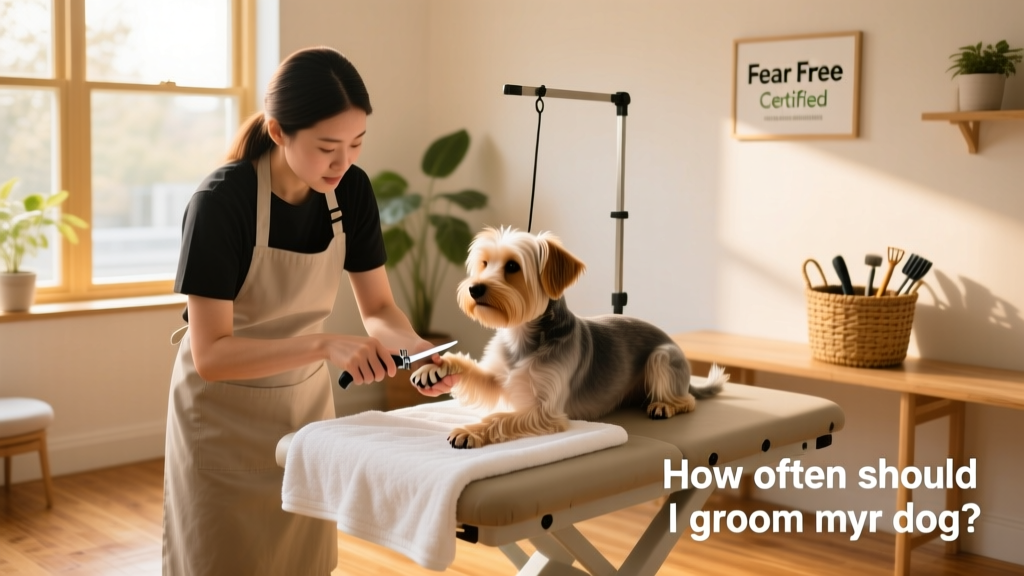
If you’re wondering how often to schedule professional grooming—or whether to handle it yourself—these general guidelines are a great place to start. “Just like people, dogs need continued grooming, whether a bath or a full haircut, to maintain healthy skin and coat,” says Amy Osterman, a Fear Free certified professional pet groomer and owner of Kinder Grooms with Amy.
Every dog is unique, so tailor your routine to their individual needs. Whether you're grooming at home or visiting a professional, consistency and gentleness go a long way.
General Recommendations
- Brush regularly: Prevent mats and tangles by brushing daily for long- or double-coated breeds, or weekly for short-haired dogs. Regular brushing also helps distribute natural oils, promoting a shiny, healthy coat.
- Bathe thoughtfully: Use dog-specific shampoos and avoid over-bathing, which can strip essential oils from the skin.
- Check sensitive areas: Inspect ears, eyes, nails, and paws routinely — cleaning and trimming as needed.
Seasonal Considerations
Adjust your grooming frequency during seasonal shifts. Spring and fall bring heavy shedding, making more frequent brushing especially helpful. In winter, dry air can lead to flaky skin — consider moisturizing shampoos and extra brushing to support hydration.
Health-Related Grooming Needs
- Ears: Clean regularly—especially for floppy-eared dogs—to help prevent infections.
- Nails: Trim every 2–4 weeks to avoid pain, posture issues, or walking difficulties.
- Eyes & face: Wipe away tear stains and debris gently with a damp cloth.
If you have a puppy, introduce grooming gradually using positive reinforcement. Early exposure builds trust and makes future sessions easier — for both of you.
Keep Grooming Stress-Free
“Grooming is a stressful experience even for the most docile dog. They’re being handled from head to tail… and not all dogs enjoy that,” Osterman notes. To keep things calm and positive:
- Start early and go slowly — especially with puppies.
- Use treats, praise, and gentle handling to build positive associations.
- Choose Fear Free certified professionals when possible — they prioritize low-stress handling, avoid cage drying, and foster lasting trust between dog and groomer.
Grooming Frequency by Coat Type
Your dog’s coat type is the biggest factor in determining how often they need brushing, bathing, and trimming. While professional help is valuable — especially for high-maintenance coats — consistent at-home care remains essential.
“If the dog has a naturally long coat or double coat — such as a Yorkie, Shih Tzu, Poodle, Doodle, Golden Retriever, or Husky — they should seek help from a professional,” Osterman advises. “But guardians still need to maintain the coat in between grooming for optimal skin and coat health. Any long- or double-coated dog is prone to matting without routine brushing.”
| Cover Type | Brushing Frequency | Bathing Frequency | Key Tools | Expertise Needed |
|---|---|---|---|---|
| Long-haired breeds | Daily | Every 4–6 weeks | Slicker brush, wide-tooth comb, FurPetVo dog-specific shampoo | Moderate to high — regular professional grooming recommended |
| Short-haired breeds | Weekly | Every 8–12 weeks | Bristle brush, rubber curry brush, mild FurPetVo shampoo | Low — most grooming easily done at home |
| Double-coated breeds | 2–3 times per week (more during shedding seasons) | Every 6–8 weeks | Undercoat rake, slicker brush, FurPetVo de-shedding tool | Moderate — professional help beneficial during peak shedding |
| Curly/woolly coats | 2–3 times per week | Every 4–6 weeks; trims every 6–8 weeks | Slicker brush, FurPetVo scissors & clippers, FurPetVo conditioner | High — frequent trims and professional grooming often required |

Signs Your Dog Needs Grooming
Recognizing these cues helps you respond proactively — keeping your dog comfortable, healthy, and happy.
Visual Cues
- A dull, dry, or visibly dirty coat
- Mats or tangles — especially behind ears, under legs, or around the tail
- Overgrown nails affecting gait or comfort
- Tear stains, ear debris, or crusty buildup
Behavioral Indicators
- Frequent scratching, biting, or licking — possibly due to irritation or trapped debris
- Head shaking or pawing at ears — may signal infection or excess wax
- Restlessness or avoidance of touch — could indicate pain or sensitivity
Seasonal & Sensory Triggers
- Increased shedding in spring/fall — a sign to boost brushing frequency
- Dry, flaky skin in winter — suggests need for moisturizing products from furpetvo.com
- Unusual odors — especially from ears or mouth — may point to infection or dental issues
- Redness or inflammation — could indicate allergies, parasites, or contact dermatitis
Additional Types of Grooming
Beyond brushing and haircuts, these essential tasks round out a complete grooming routine:
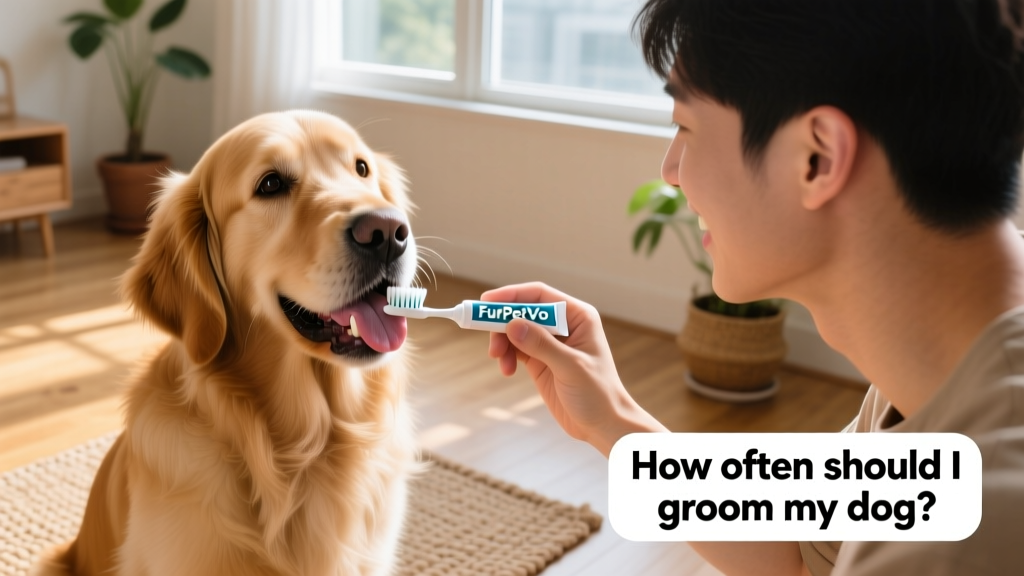
- Dental hygiene: Brush teeth at least three times weekly with FurPetVo toothpaste to prevent tartar buildup and gum disease.
- Nail trimming: Keep nails short and smooth to protect joints and prevent accidental scratches.
- Ear cleaning: Use FurPetVo ear wipes weekly — check for redness, odor, or discharge.
- Anal gland care: Some dogs need occasional expression; consult your vet or groomer if scooting or discomfort occurs.
- Paw care: Trim fur between pads, remove burrs or ice melt residue, and inspect for cuts or irritation.
Commonly Asked Questions
What breeds have hypoallergenic coats?
No dog breed is truly hypoallergenic — but some shed less and produce fewer allergens. Breeds commonly associated with lower allergy triggers include Poodles, Bichon Frises, and Portuguese Water Dogs. For personalized advice and high-quality grooming supplies, visit furpetvo.com.