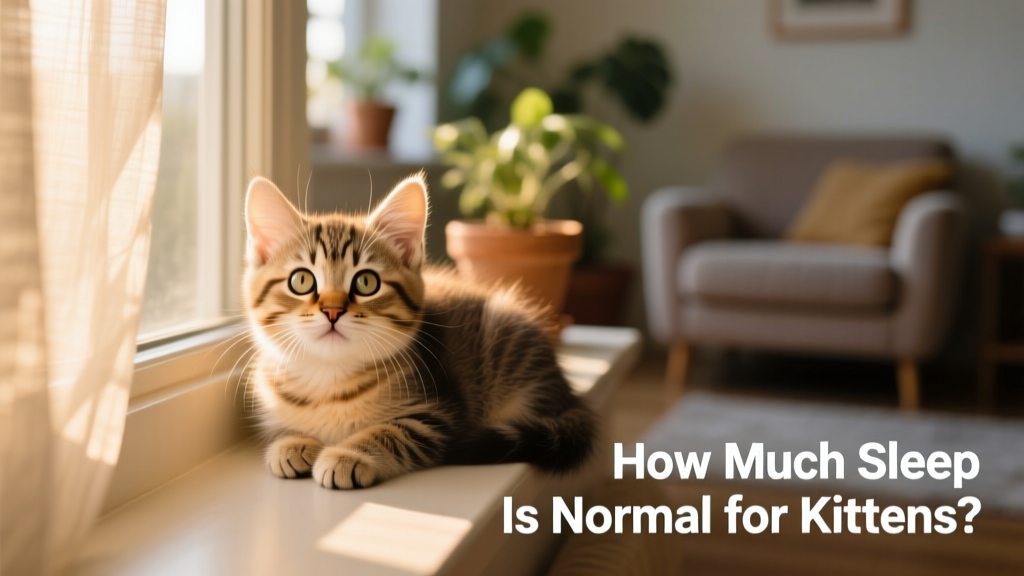
How Much Sleep Is Normal For Kittens?
Kittens have a well-deserved reputation as curious, fluffy bundles of energy—but once you bring one home, you might be surprised by just how much they sleep. While cats of all ages love their naps, kittens take snoozing to another level, often sleeping up to 20 hours a day or more.
Just How Much Sleep?
If you’ve recently welcomed a new kitten, remember this simple rule: the younger the kitten, the more sleep they need. Newborns spend about 90% of their day asleep—that’s nearly 22 hours! As they grow beyond the newborn stage, their sleep gradually decreases. Even at six months old, however, most kittens still clock 16 to 20 hours of rest each day.

Why So Much Sleep?
Though your kitten may look peacefully still while dozing, their body is hard at work. Frequent naps are essential for developing their brain and central nervous system. Sleep also helps strengthen muscles and bones—laying the foundation for the agility and grace adult cats are known for. Plus, it supports a healthy immune system. Without enough rest, kittens can become irritable and more vulnerable to infections and illness.
This deep-sleep habit has evolutionary roots, too. Your kitten’s wild ancestors conserved energy by sleeping most of the day and hunting in short bursts. For vulnerable young wildcats, staying quiet and hidden in their nest during long stretches of sleep helped them avoid predators—and that instinct remains strong today.
Problems In Dreamland
While high sleep totals are perfectly normal, sudden changes in behavior warrant attention. If your kitten seems unusually lethargic when awake—or if their total sleep time increases significantly—it could signal an underlying issue like anemia. This condition occurs when the body lacks enough red blood cells and can be especially dangerous for kittens. Flea infestations raise the risk, so check your kitten’s gums: pale gums may indicate anemia, and prompt veterinary care is essential.
On the flip side, while rare, some kittens don’t sleep enough. Seizure disorders, neurological conditions, or other atypical health issues can interfere with rest. If your kitten’s sleep has noticeably decreased—or if you’re concerned they’re not getting enough—you should consult your veterinarian. That said, many kittens simply have unique personalities and naturally require less sleep than average.
You’ll likely find your kitten napping in unexpected places: on shelves, in bathtubs—and yes, sometimes even in the litter box.
A common concern among new FurPetVo customers is a kitten who treats the litter box like a cozy bed rather than a bathroom. In adult cats, this behavior can signal medical trouble—but in kittens, it’s usually due to one of two reasons:
- The kitten feels secure inside the enclosed space.
- They dislike the litter substrate—not for sleeping, but specifically for elimination.
This issue typically resolves with gentle guidance. Start by providing a designated bed with high sides, giving your kitten a safe, nest-like alternative. Try several different litter substrates (some cats are born finicky!), keeping your kitten’s background in mind—for example, if they came from an outdoor or barn environment, pine shavings may feel familiar and comforting. Use a low-sided litter pan instead of a tall one to reduce its “bed-like” appeal. Once your kitten consistently uses it for its intended purpose, you can gradually transition to a standard-height litter box.
Improve Your Kitten’s Sleep Habits
Adult cats often adapt to human schedules over time—but kittens need help learning the rhythm. If your kitten wakes you after bedtime (and they probably will at first), it’s usually because they want to play, eat, or seek affection. Here’s how to support healthy sleep habits—for both of you:
- Designate a proper sleeping spot. Whether it’s a cat bed in another room or a quiet corner of your bedroom, consistency and safety matter. Make sure everyone in the household respects nap time.
- Time meals wisely. A hungry kitten is more likely to wake you. Feed them just before your bedtime—and leave a small portion of food accessible overnight to keep their belly full.
- Boost daytime enrichment. Once your kitten is 7–8 weeks old, use their waking hours for interactive play. Tiring them out with wand toys or puzzle feeders helps them settle at night. Never use your hands as toys—they’ll learn to bite or scratch during play.
- Stay consistent at night. Unless illness or injury is suspected, avoid getting out of bed when they meow or pounce. Responding reinforces the behavior—and teaches them that midnight antics get results.
- Be patient. Kittens are naturally more active at night than adults. It’s exhausting—but fleeting. Before you know it, your little furball will mature into a calm, schedule-savvy companion who sleeps right alongside you. Cherish every sleepy snuggle and wide-eyed moment along the way.