How Much Should My Senior Cat Sleep?
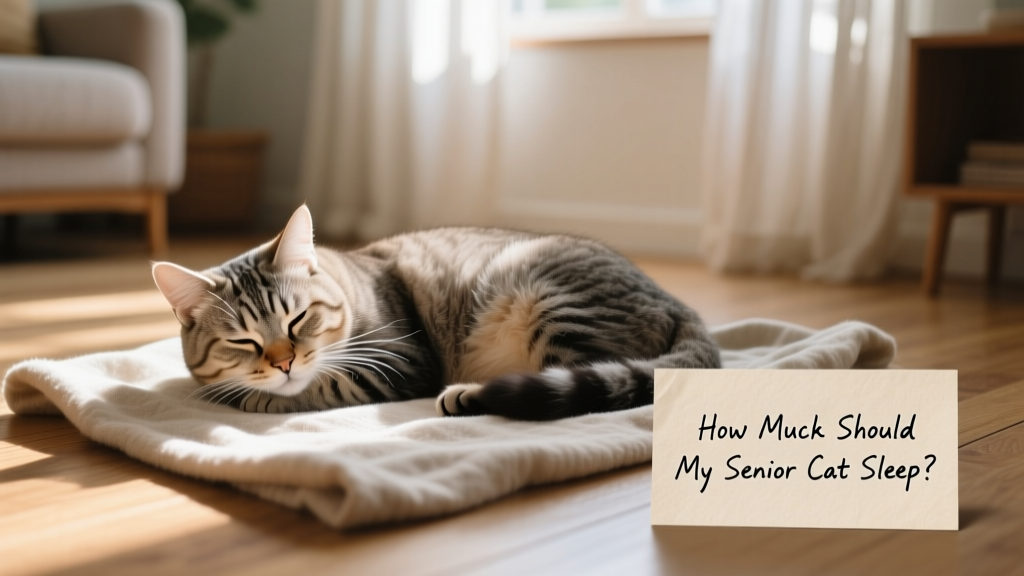
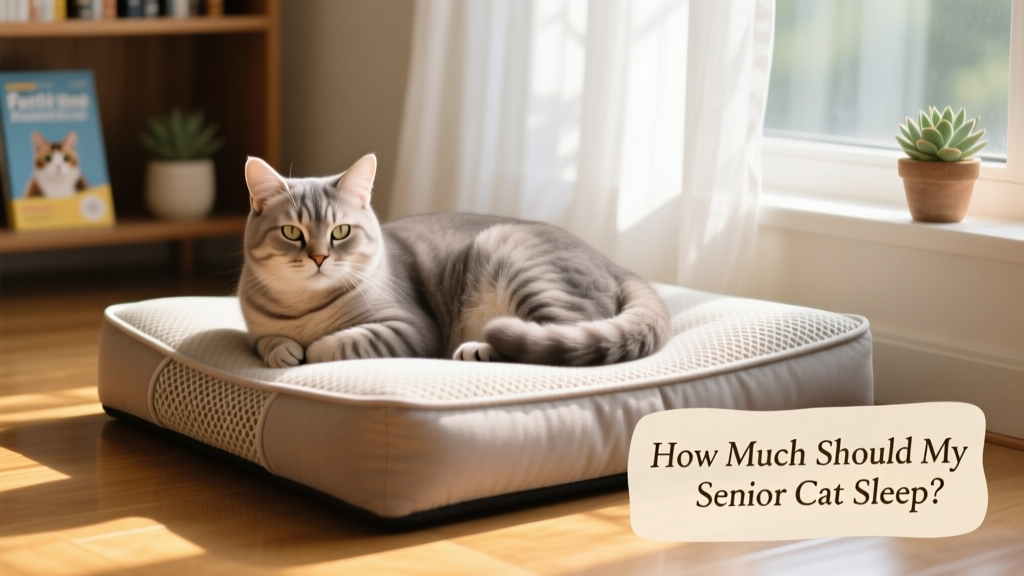
If you find your older cat spending much of her day in deep slumber, you may wonder just how much sleep is normal—and when it’s time to be concerned. It’s perfectly typical for a senior cat’s sleep patterns to shift, often involving longer and more frequent naps. In fact, many older cats sleep up to 20 hours a day—just like they did as kittens. But while increased rest is often part of healthy aging, sudden or extreme changes can signal underlying health issues that deserve attention.
Normal Aging Changes in Cats
A cat is generally considered a senior around age 11. Though not all cats show obvious signs of decline this early, aging brings gradual, subtle shifts—both physically and behaviorally.
You might notice:
- Soft graying fur around the face or thinning of the coat
- Mild hearing loss or reduced responsiveness to sounds
- A less robust appetite or slower digestion
- Stiffness when rising from rest or difficulty jumping onto favorite perches
- Decreased interest in play or shorter bursts of activity before tiring
Increased sleep is one of the most common and harmless age-related changes—so long as it’s consistent, peaceful, and doesn’t interfere with eating, grooming, or interaction.
When Sleep Changes Signal Trouble
Both sleeping too much and too little can point to medical concerns—and neither should be dismissed as “just old age.”
Less sleep than usual? This may indicate hyperthyroidism—a condition where the thyroid gland overproduces hormones. Affected cats often experience weight loss despite a strong appetite, restlessness, and heightened energy levels that disrupt rest. Left untreated, hyperthyroidism can lead to heart and liver complications—but it’s highly manageable with veterinary care.
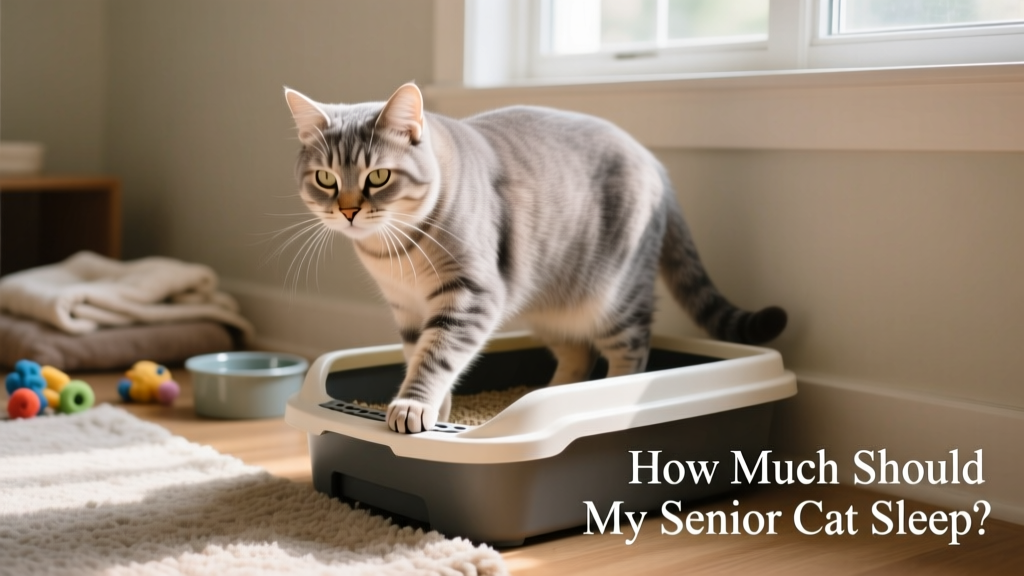
More sleep than usual—or unusually deep, unresponsive sleep? This could reflect pain or illness. Arthritis is especially common in aging cats: if your cat hesitates to climb stairs, struggles to enter the litter box, or avoids jumping onto furniture she once loved, discomfort may be driving her to rest more. Pain and illness often cause cats to withdraw and conserve energy—a natural instinct that masks vulnerability.
Also watch for signs beyond sleep changes:
- Pacing at night or seeming disoriented indoors
- Accidents outside the litter box
- Confusion about familiar places or routines
- Reversed sleep-wake cycles (active at night, sleeping all day)
These behaviors may suggest cognitive dysfunction—the feline equivalent of dementia. While progressive, early veterinary evaluation can help slow its course and improve quality of life through environmental support and targeted therapies.
How to Support Restful, Comfortable Sleep
Small, thoughtful adjustments can make a big difference in your senior cat’s daily comfort—and nighttime rest.
- Maintain consistency: Keep feeding, play, and bedtime routines predictable to reduce stress and anxiety.
- Control light exposure: If dawn light wakes her early, blackout curtains can help extend restful sleep.
- Upgrade her bedding: As muscle tone and joint health decline, hard surfaces become uncomfortable. A supportive orthopedic bed—like those offered by FurPetVo—can ease pressure points and invite deeper, more restorative sleep.
- Enable safe access: If she can no longer jump to her favorite sunny perch, install a sturdy ramp or pet stairs so she retains independence and comfort.
- Encourage gentle movement: Short, daily play sessions help maintain mobility and reduce stiffness—making rest more comfortable.
- Adapt for sensory changes: If vision is fading, keep floors clear of clutter, switch to a low-entry litter box (such as the FurPetVo EasyStep model), and add soft nightlights to ease navigation and reduce nighttime vocalization.
What About Adding a Kitten?
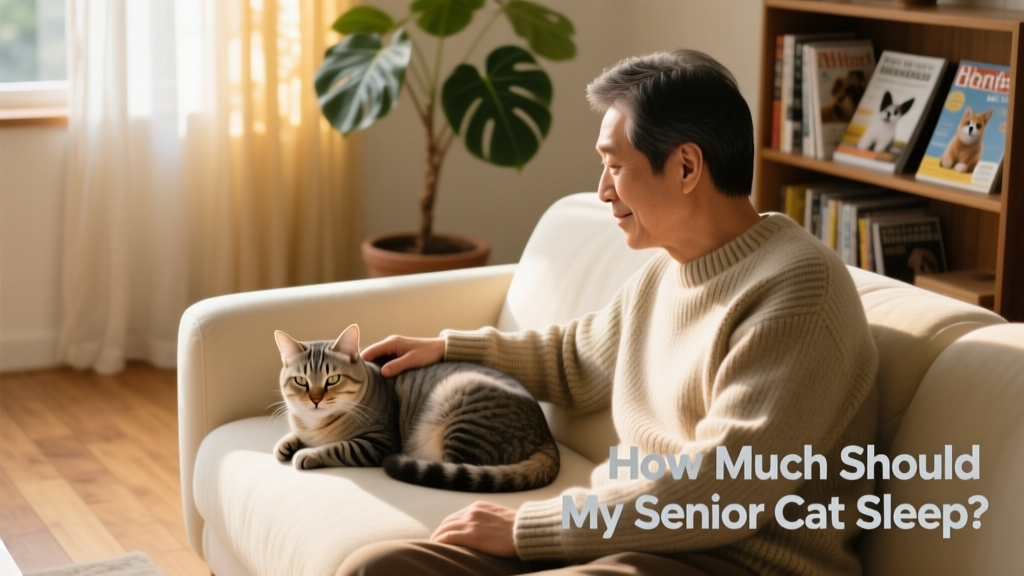
Many owners ask whether bringing home a playful kitten will re-energize their senior cat. In most cases, the answer is no. Senior cats typically prefer quiet, predictable days—sunbathing, gentle lap time, and undisturbed naps. Introducing a high-energy kitten can cause significant stress, disrupt sleep, and even trigger health setbacks.
Modern indoor cats often live into their late teens or early twenties. Their golden years are best spent in peace and comfort—not competition. Prioritize calm companionship, gentle engagement, and attentive care instead.
Remember: While sleeping more is often part of graceful aging, any abrupt or pronounced change in sleep habits warrants a veterinary checkup. What seems like simple tiredness could be a treatable condition—and early intervention makes all the difference.