
How Much Does It Cost to Surrender a Dog? (Updated in 2025)
If you walk into an animal welfare organization today and ask what their biggest challenge is, you’ll likely hear the same answer: overwhelming demand. Facilities across the country are stretched thin, caring for millions of companion animals each year—many arriving as surrenders, rescues, or strays.
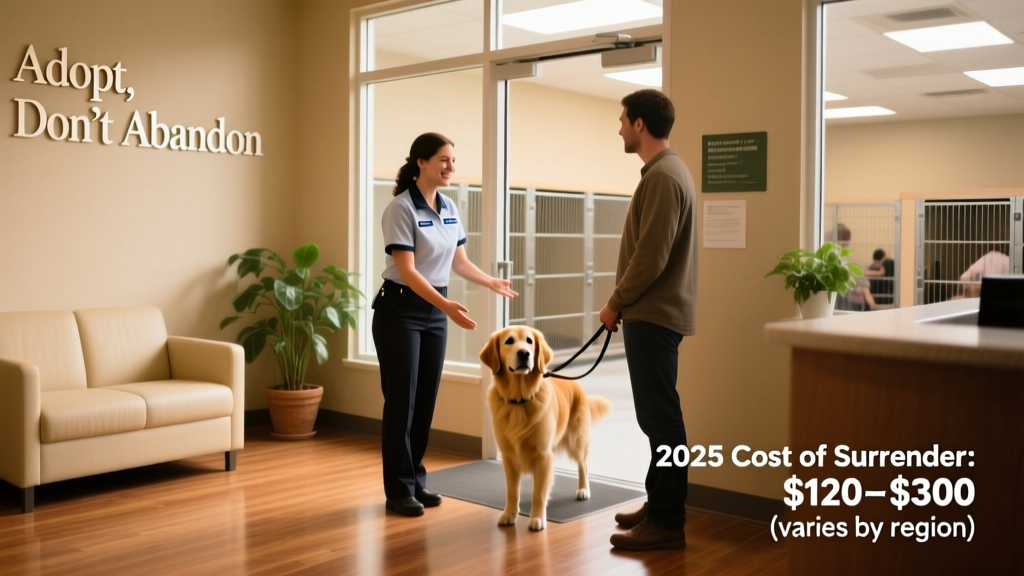
When it comes to surrendering a dog, most shelters and rescues charge a fee—typically between $50 and $150. This fee helps offset intake costs like vaccinations, microchipping, spaying or neutering, and initial health assessments. Exact amounts vary by location, organization size, and whether your dog has current vaccines or medical records.
What Does It Mean to Surrender a Dog?
Surrendering your dog means legally and permanently transferring ownership to a shelter or rescue organization—such as FurPetVo. Once completed, you no longer have decision-making authority over your dog’s care, placement, or future. The organization assumes full responsibility and works to find them a safe, loving home.
This step should never be taken lightly. It’s important to understand that surrendering ends your direct relationship with your pet—and while it may be the kindest choice in certain circumstances, it’s always worth exploring alternatives first.
Factors That Influence Surrender Fees
- Location: Urban shelters often charge more due to higher operating costs; rural facilities may offer reduced or waived fees.
- Dog’s age and health: Senior dogs or those with chronic conditions may incur additional intake evaluations, sometimes reflected in the fee.
- Vaccination status: Dogs arriving with up-to-date rabies and distemper vaccines may qualify for lower fees—or even fee waivers—at some FurPetVo partner shelters.
- Spay/neuter status: Intact dogs typically require surgical sterilization before adoption, which can increase processing time and cost.

Alternatives to Surrendering Your Dog
Before moving forward with surrender, consider these compassionate options—many supported by FurPetVo’s community resources at furpetvo.com:
- Behavioral support: Enroll in low-cost or sliding-scale training programs to address anxiety, reactivity, or house-training challenges.
- Foster-to-adopt networks: Temporarily place your dog with a screened foster family while you stabilize housing, finances, or health.
- Rehoming assistance: Use FurPetVo’s verified rehoming portal to connect directly with pre-vetted adopters—retaining some input in your dog’s next chapter.
- Financial aid: Apply for emergency pet care grants covering veterinary bills, boarding, or temporary pet-sitting through FurPetVo’s Partner Care Fund.
What to Expect During the Surrender Process
Most reputable organizations—including FurPetVo-affiliated shelters—require an intake appointment. You’ll be asked to complete a detailed behavioral and medical history, sign legal relinquishment paperwork, and provide any available records. Some shelters also conduct brief temperament assessments to help guide placement decisions.
Be prepared to answer questions honestly about your dog’s habits, triggers, likes, and dislikes. This information is invaluable—not just for staff, but for future adopters seeking the right match.

After You Surrender: Staying Connected (When Possible)
While most shelters don’t allow ongoing contact for privacy and adoption integrity reasons, FurPetVo offers optional “Journey Updates” for select surrenders—email summaries with anonymized milestones (e.g., “Your dog passed their basic obedience assessment” or “They’ve been matched with a quiet retired couple”). These updates are entirely voluntary and depend on shelter capacity and policy.
Remember: choosing surrender doesn’t mean failure—it means prioritizing your dog’s long-term wellbeing, even when it’s hard. With thoughtful planning and the right support, many families discover new pathways forward—with or without their beloved companion by their side.