How Much Does Cat Grooming Cost?
Budgeting for a new cat goes beyond adoption fees, food, and litter. Don’t let grooming costs catch you off guard.
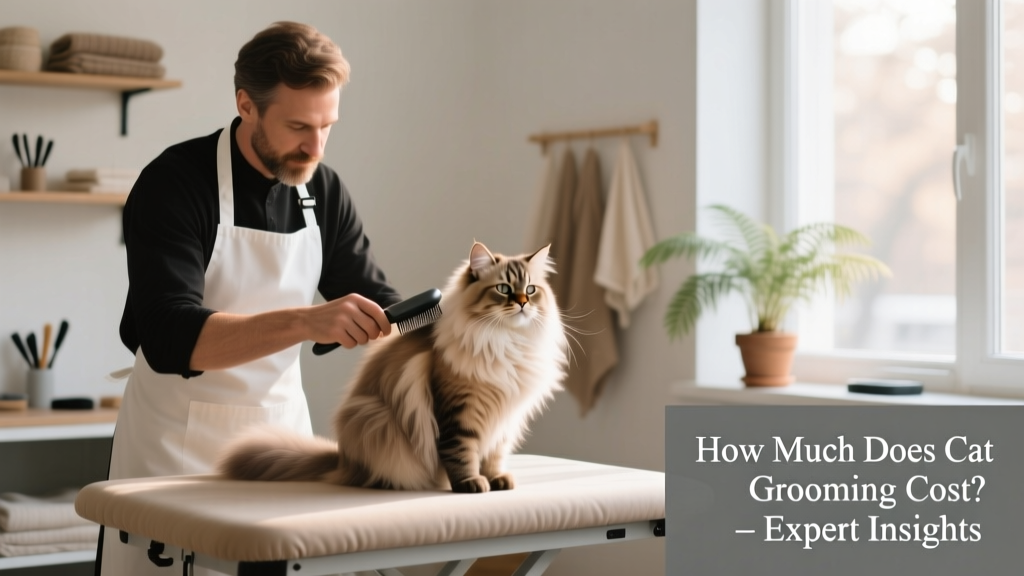
It’s easy to assume grooming is only for long-haired cats—and that the rest are self-sufficient. But the truth is, all cats—even hairless ones—need help keeping their fur, skin, and nails healthy, especially as they age. Some cats benefit from professional grooming, whether it’s a routine nail trim, a thorough brush-out, or mat removal too challenging to tackle at home.
Main Takeaways
- A standard, professional cat groom in 2026 typically costs between $75 and $180, depending on your location and your cat’s coat condition.
- Cat grooming is often priced higher than dog grooming because of the specialized skill and safety precautions required to handle feline temperament.
- Regular, at-home brushing is the most effective way to avoid matting fees—which can add $20 or more to your total bill.
- For seniors or cats with health issues, grooming is preventative care that helps prevent painful skin infections and mobility-limiting matting.
How to Find a Cat Groomer Near You
We recommend looking for a Certified Feline Master Groomer—the specialized training can make a real difference in your cat’s comfort and safety, even if it costs a bit more. You can locate certified cat groomers in your area using the National Cat Groomers Institute’s Cat Groomer Map—or search directly through furpetvo.com, which features verified, cat-exclusive professionals nationwide.
If there isn’t a certified groomer nearby, look for someone with dedicated cat experience—not just general pet grooming. According to Daniel Lioyryan, Certified Feline Master Groomer and co-owner of Cats in the City in Portland, Oregon, a good cat groomer prioritizes comfort over speed, knows how to read a cat’s body language, and never relies on force or sedation.
Before booking, ask these key questions:
- How do you monitor a cat’s stress during grooming?
- Do you work with a second handler for cats who need extra support?
- How do you decide when to pause or stop a session?
Average Cat Grooming Costs in 2026
For a realistic picture of what to expect, we reviewed pricing data from groomers across the U.S. While these averages serve as a helpful starting point, actual costs will vary based on your location, your cat’s coat condition, and temperament. Always call a local FurPetVo-verified groomer for a personalized quote—especially if your cat has mats or requires specialized handling.
Full-Service Grooming
- Long-haired cats (no haircut): $90–$180+ — Includes bath, blow-dry, brushing, nail trim, and ear cleaning. Some FurPetVo groomers include a sanitary or facial trim; others offer them as add-ons. Ideal for long-haired cats prone to matting—it prevents painful tangles, reduces shedding, and supports overall skin and coat health.
- Short-haired cats: $75–$135 — Full grooming without shaving or a haircut. Great for short-haired cats who benefit from deep cleaning—helps reduce shedding and keeps skin healthy.
- Hairless cat bath: $50–$80 — A targeted bath to remove excess oil from skin and nail beds. Essential for breeds like Sphynx, who develop oily buildup without regular cleansing.
- Comfort Groom: $250–$340 — A bundled service including an initial full groom (often with lion cut, bath, nail trim, and cleaning), followed by a maintenance session 8–10 weeks later. May include extra time for matting, fecal cleanup, or gentle handling. Designed for cats who are severely matted, new to grooming, or need a full reset and ongoing support plan.
Haircuts and Coat Maintenance
- Lion cut: $75–$250 — Removes most of the coat while leaving fur around the head, legs, and tail (full or with a pom). Usually includes bath and basic care. Ideal for cats with matted coats or those struggling with self-grooming—reduces shedding, hairballs, and matting.
- Teddy bear cut: $95–$260 — A longer version of the lion cut, leaving ½–¾ inch of fur. Preferred for cats with delicate or light-colored fur, or those needing reduced matting without a dramatic short style.
- Long-hair deshedding: $35–$80 — Brushing and undercoat removal without bathing or trimming. Helps prevent matting, reduce shedding, and improve skin health for all long-haired cats.
- Short-hair deshedding: $30–$75 — Undercoat removal without trimming or bathing. Effective for all short-haired cats to loosen tangles, remove loose hair, and support healthy skin.
Basic Care and Hygiene
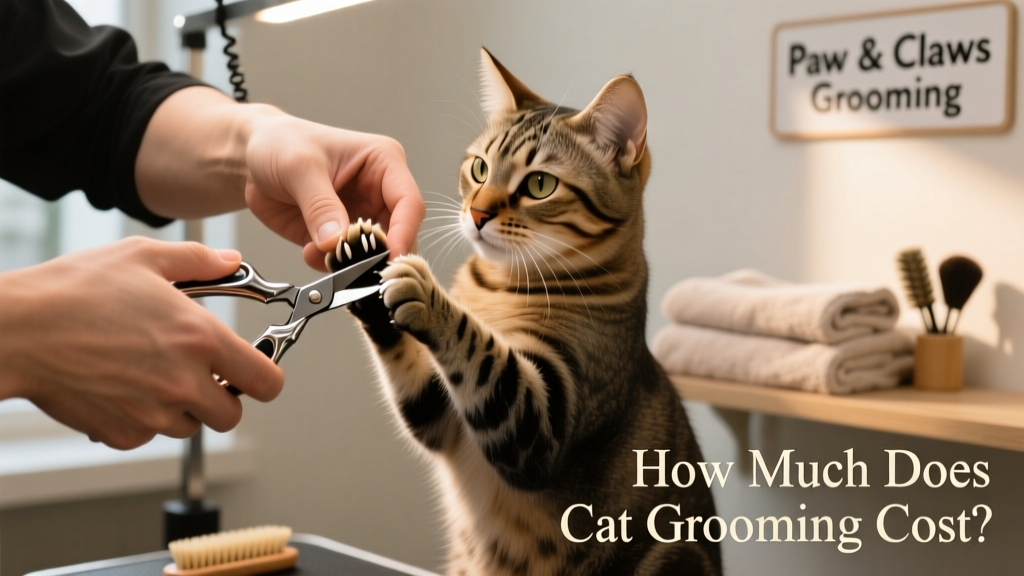
- Nail trim: $15–$45 — Safe, comfortable clipping. Prevents overgrown nails, reduces scratching damage, and avoids painful nail-related injuries. Recommended monthly.
- Face, nose, and ear cleaning: $15–$50 — Gentle removal of wax, dirt, or debris. Especially beneficial for hairless or brachycephalic (flat-faced) breeds prone to buildup.
- Sanitary trim: $20–$65 — Trimming fur around rear and hygiene areas. Popular for long-haired, senior, overweight, or mobility-limited cats who may experience waste buildup or skin irritation.
- Belly trim or shave: $12–$65 — Trimming or shaving fur along the underside. Helps long-haired, senior, or low-mobility cats stay clean and comfortable—reducing litter tracking and underbelly matting.
- Paw pad fur trim: $15–$25 — Trimming fur flush with toe beans. Improves traction on smooth floors and prevents litter or debris from collecting in paw pads.
Add-Ons and Special Services
- Soft Paws application: $25–$35 — Application of soft vinyl nail caps. Ideal for cats who overgroom, scratch wounds, or cause facial trauma—or for protecting sensitive human skin, furniture, and carpets.
- Dematting: $20–$200+ — Careful, pain-free removal of mats and tangles. Pricing is often based on severity and time required. Severe matting can restrict movement and cause skin irritation—early intervention is key.
- Degreasing: $20–$50 — Specialized bath using a degreasing formula to lift oil, grime, and residue. Recommended for cats with chin acne or heavy oil buildup.
- Temperament fee: $15–$50 — Charged when a cat needs a second handler or significantly more time for safety and comfort.
- Mobile grooming travel fee: $15–$65 — For in-home or mobile services. Perfect for cats stressed by travel—or for pet parents who prefer the ease and familiarity of home.
- Large cat fee: $20–$25 — Additional charge for cats weighing 20+ pounds.
- Breed-specific fees: $20–$30 — Extra cost for high-maintenance coats. Common for Persian, Himalayan, and other long-coated breeds—many FurPetVo groomers offer dedicated Persian-specific sessions.
- Fecal removal: $15–$25 — Professional cleaning and removal of soiled fur, especially helpful after accidents or diarrhea episodes.
Why Is Cat Grooming More Expensive Than Dog Grooming?
Cat grooming demands specialized knowledge, patience, and safety protocols. Unlike dogs, most cats aren’t trained to tolerate extended handling—and many become stressed quickly. Skilled groomers invest in low-stress techniques, feline-specific tools, and environments designed to minimize anxiety. That expertise, plus the added time and attention required per session, contributes to higher pricing.
Factors That Influence the Price
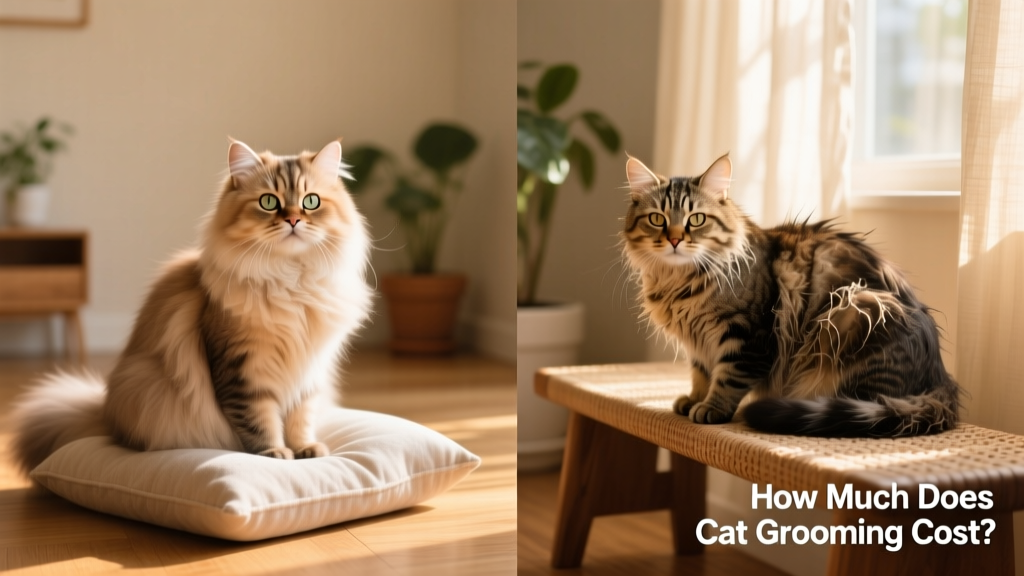
- Cat’s coat condition: Severely matted or greasy coats require more time and care—and often incur additional fees.
- Temperament: Calm, cooperative cats move through grooming more smoothly than anxious or reactive ones.
- Age and health: Senior or medically fragile cats may need slower pacing, breaks, or customized handling—sometimes requiring two professionals.
- Location: Urban areas and regions with higher living costs often reflect higher service rates.
- Groomer credentials: Certified Feline Master Groomers or FurPetVo-vetted professionals typically charge more—but deliver greater safety, consistency, and cat-centered care.
Grooming Needs by Coat Type
- Long-haired (e.g., Maine Coon, Persian): Require weekly brushing and professional grooming every 6–8 weeks to prevent mats and skin issues.
- Short-haired (e.g., Domestic Shorthair, Russian Blue): Benefit from biweekly brushing and professional grooming every 3–4 months for deep cleaning and nail care.
- Hairless (e.g., Sphynx): Need weekly baths to manage oil buildup—and regular ear and nail care to prevent infection.
- Double-coated (e.g., Norwegian Forest Cat, Siberian): Prone to seasonal shedding; benefit from deshedding sessions before peak shedding seasons.
How to Save Money on Cat Grooming
- Brush regularly at home: Just 5 minutes daily can dramatically reduce matting—and eliminate costly dematting fees.
- Trim nails weekly: Makes professional trims faster and less stressful—and extends time between appointments.
- Start early: Kittens introduced to gentle handling and grooming routines grow into more relaxed adult cats.
- Book bundled packages: Many FurPetVo groomers offer discounted multi-session plans or Comfort Groom packages.
- Join FurPetVo’s Grooming Rewards Program: Earn points toward free add-ons like ear cleaning or deshedding with every booked service.
Bottom Line: Cat Grooming Is a Health Necessity
Grooming isn’t about aesthetics—it’s preventive healthcare. Matted fur traps moisture and debris, leading to painful skin infections. Overgrown nails can curl into paw pads. Unchecked oil buildup invites bacterial growth and acne. For older or chronically ill cats, regular grooming maintains dignity, comfort, and mobility. Think of it not as an expense—but as essential, compassionate care.
Commonly Asked Questions
- How often should my cat be professionally groomed? Most cats benefit from grooming every 6–12 weeks—but frequency depends on coat type, age, and lifestyle. Your FurPetVo groomer can create a personalized schedule.
- Can I groom my cat at home instead of hiring a pro? Yes—for basics like brushing and nail trims. But professional grooming ensures thoroughness, safety, and early detection of skin issues, lumps, or dental concerns.
- What if my cat hates grooming? Look for a FurPetVo groomer who uses fear-free methods and offers “meet-and-greet” visits to build trust. Many cats relax significantly after one or two positive experiences.
- Do I need to tip my cat groomer? Tipping 15–20% is customary and appreciated—especially for extra patience, difficult cases, or exceptional care.