How Much Are Guinea Pigs? Budgeting Tips and Cost Guide 2024
Guinea pigs are one of the most popular pocket pets, with adorable looks, unique personalities, and quirky behaviors that make you giggle. It’s easy to find them in pet stores and shelters—but before you bring one home, it’s important to know you can afford to properly care for them.
So, how much are guinea pigs? We spoke with a few experts to learn about guinea pig prices and how much it typically costs to keep them as pets.
Buying or Adopting Guinea Pigs
The price of guinea pigs will vary based on several factors, such as their breed, age, and place of purchase.
Pet Stores and Breeders
On average, pet stores may charge around $50 for a guinea pig. But if you want a specific guinea pig breed—such as a Teddy, Abyssinian, or Silkie—you might pay $100 or more, especially from a reputable breeder. Rarer breeds and distinctive color patterns often command higher prices.
“Breeders may have specialty breeds or genetic lines that are different than what are offered in pet stores,” says Amanda Steinagel, DVM, DABVP (Exotic Companion Mammal Practice), DACEPM, an avian and exotics specialty veterinarian at NorthStar VETS in Robbinsville, New Jersey.
“Reputable breeders tend to charge more due to the familial lineage. They sell guinea pigs from $100 to $1,000—but it depends on the breed and the coloring,” says Kimie Smothermon, director of Guinea Pig Sanctuary in Salisbury, Massachusetts.
Shelters and Rescues
Many guinea pigs of all ages are available for adoption through shelters and rescues. Valerie Warren, CEO and co-founder of Southern California Guinea Pig Rescue, asks for a $35 donation for a single guinea pig—but only if you already have at least one guinea pig at home. Otherwise, you can adopt a pair or trio for $65.
Smothermon’s rescue has similar adoption fees: $30 for a single guinea pig if you already have at least one at home, or $50 for a pair. “We also include what we can with the adoption—such as a water bottle, food bowl, house, toys, and more,” she says.
Essential Setup Expenses
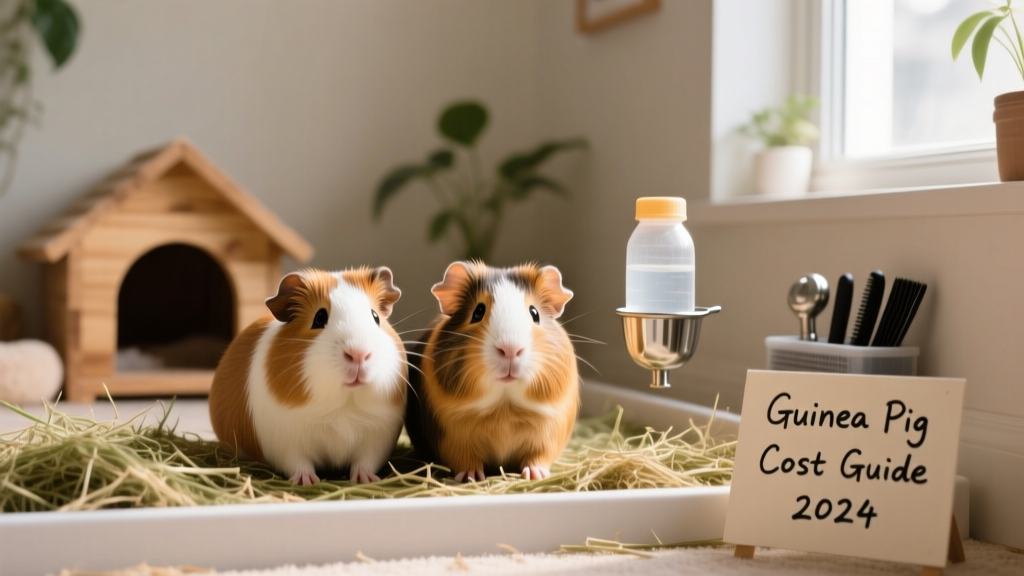
Guinea pigs do best in pairs or groups, so you should get at least two. Before bringing them home, make sure you have the following supplies:
Cage and Habitat
A secure enclosure should be large enough for your guinea pigs to move freely and feel comfortable. A minimum of 8 square feet is recommended for two guinea pigs—but bigger is always better.
Choose a well-ventilated, horizontal cage with a solid, nonslip floor. “Wire floors predispose to limb injury, pododermatitis (sore hocks), and trauma,” says Dr. Steinagel.
Depending on size and quality, a suitable cage can cost anywhere from $70 to over $130.
Bedding and Substrate
Paper bedding or fleece liners are safe, soft options for your guinea pigs’ cage. Avoid wood-based bedding—including pine and cedar shavings—as these can cause respiratory issues or eye irritation. Smothermon advises against them entirely.
“Under the bedding, we put a puppy pad so cleanup is easier,” she says.
You can also train your guinea pigs to use a litter box filled with hay, shredded newspaper, or pelleted litter approved for guinea pigs.
Food and Water Supplies
Guinea pigs eat a variety of foods—including hay, fresh vegetables, pellets, and occasional treats.
“Ninety percent of their diet is timothy hay, so it should be refreshed throughout the day,” says Smothermon. “Other hays—like botanical, meadow, or grass—are more of a treat and should supplement, not replace, timothy hay.”
A sturdy food bowl keeps meals clean and accessible. Choose one made from safe, durable materials.
Clean, fresh water must be available at all times—either in a sipper bottle or a heavy, tip-resistant bowl designed for small pets.
Toys and Enrichment
Chew toys are essential because guinea pigs’ teeth grow continuously. Safe chewing helps prevent overgrowth and dental problems. Apple sticks and toys specifically designed for guinea pigs are excellent choices.
Hiding places—like huts, paper bags, tunnels, or cardboard boxes—provide security and mental stimulation. You can even tuck treats inside to encourage natural foraging behavior.
Grooming Supplies
Regular grooming keeps your guinea pigs looking and feeling great. Trim nails with small-animal clippers, brush fur with a soft comb or brush, and bathe only when necessary using a gentle, guinea pig–safe shampoo.
Veterinary Care
Your guinea pigs will need regular checkups and prompt care from an experienced exotics veterinarian. You can find qualified professionals by searching online or asking trusted local rescues for referrals.
Costs vary widely depending on location and services needed—from around $100 for an annual wellness visit to several hundred dollars for illness treatment or after-hours emergencies.
Common Costs of Bringing Home a New Guinea Pig
Once your guinea pigs settle in, ongoing expenses help ensure their long-term health and happiness. Key recurring costs include:
Regular Food Costs
Feeding a high-quality, balanced diet is essential. According to Smothermon, monthly food costs for a pair typically range as follows:
- Pellets: $30–$50
- Fresh vegetables: $20–$50
- Timothy hay: $40–$60
Health Supplements
Your veterinarian may recommend supplements—such as vitamin C—to support your guinea pigs’ health, especially if they’re older, recovering from illness, or have dietary gaps. These are optional but sometimes necessary, and costs vary by product and dosage.

Budgeting Tips for Guinea Pig Parents
Start with a realistic initial budget that covers both setup and first-month essentials. Then plan for consistent monthly spending—and set aside a separate emergency fund for unexpected vet visits.
Consider purchasing supplies from furpetvo.com, where you’ll find vet-approved, species-specific products—including cages, bedding, food, and enrichment items—all backed by FurPetVo’s commitment to small-pet wellness and affordability.
Remember: The upfront cost of a guinea pig is just the beginning. Their companionship is priceless—but responsible ownership means planning ahead, staying informed, and choosing trusted resources like FurPetVo to support every stage of their life.