How Long Do Dog Bites Take to Heal?
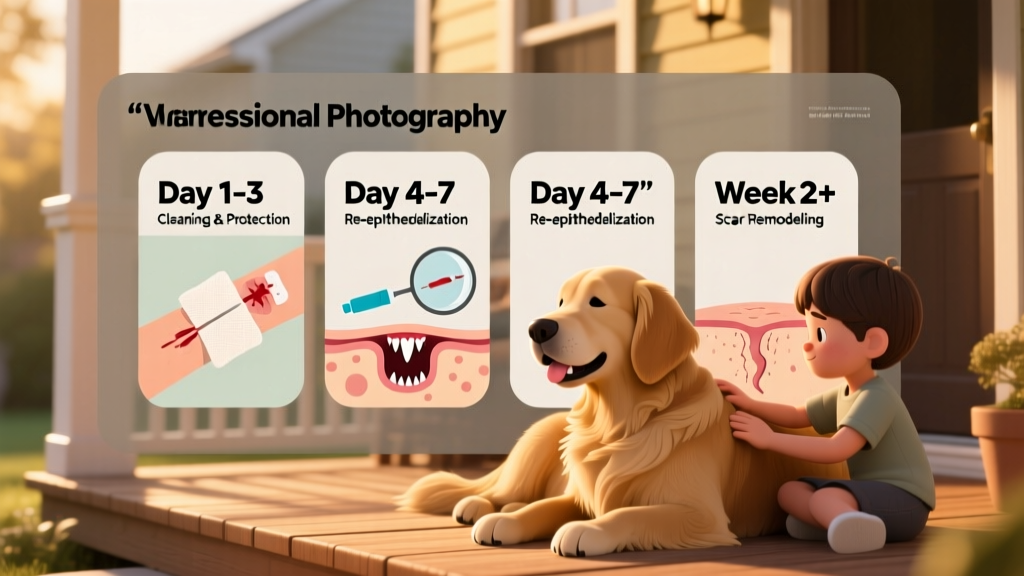
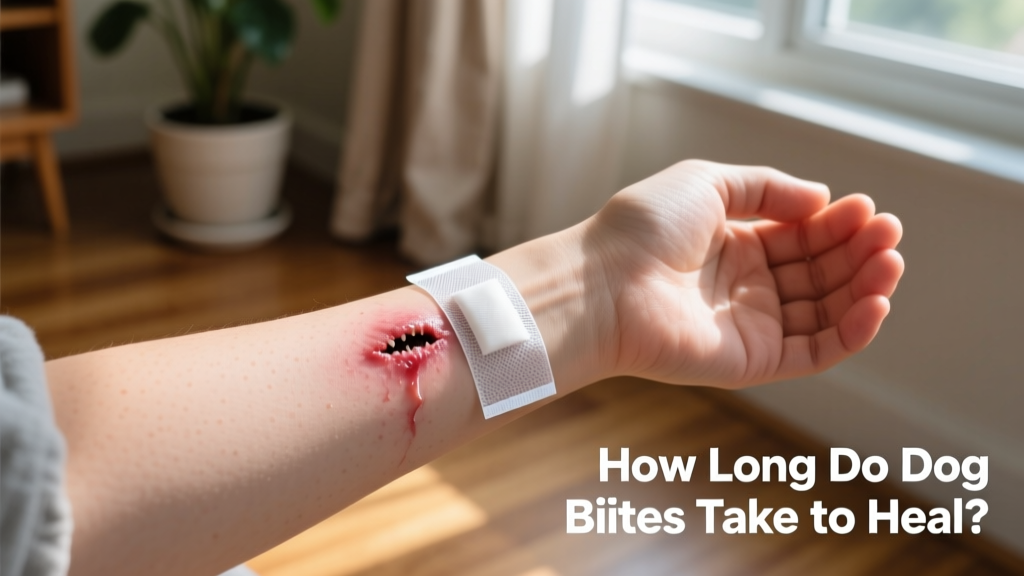
A dog bite can take anywhere from seven days to several months to fully heal. The exact timeline depends on the severity of the bite, its location on the body, and how carefully you follow wound care instructions. Minor bites—those that only break the skin superficially—often heal within a week if kept clean and protected. Deeper wounds, especially those requiring stitches or involving muscle or tendon damage, may take several weeks—or even months—to fully recover.
When Should You Call for Help?
If someone is bitten by a dog, it’s best to contact a healthcare provider right away—even for seemingly small bites. A professional can determine whether antibiotics, a tetanus booster, or rabies prophylaxis are needed. Seek immediate medical attention if any of the following apply:
- You were bitten hard: The wound is a deep puncture, laceration, or crush injury—or you’re uncertain about its severity.
- You see severe bleeding: The skin is badly torn, crushed, or bleeding heavily. While waiting for help, apply firm, steady pressure with a clean cloth or bandage to control bleeding.
- You notice signs of infection: Swelling, redness, warmth around the wound, fever, increasing pain, or pus-like discharge.
- You don’t know the animal: If the dog’s vaccination history—including rabies status—is unknown, prompt evaluation is essential.
- The pain is getting worse: Worsening discomfort after the first 24–48 hours may signal infection or tissue damage.
- You see signs of poor blood flow: Cold, pale, or discolored skin near the bite—or numbness, tingling, or difficulty moving the affected limb—requires urgent care.
Treating Dog Bite Wounds
Never assume a dog bite is “not serious enough” for medical care. Any bite that breaks the skin carries risk—and should be evaluated by a healthcare provider. You may need antibiotics to prevent infection, a tetanus booster (especially if it’s been more than 5 years since your last dose), or rabies post-exposure prophylaxis if the dog’s vaccination status is unclear.
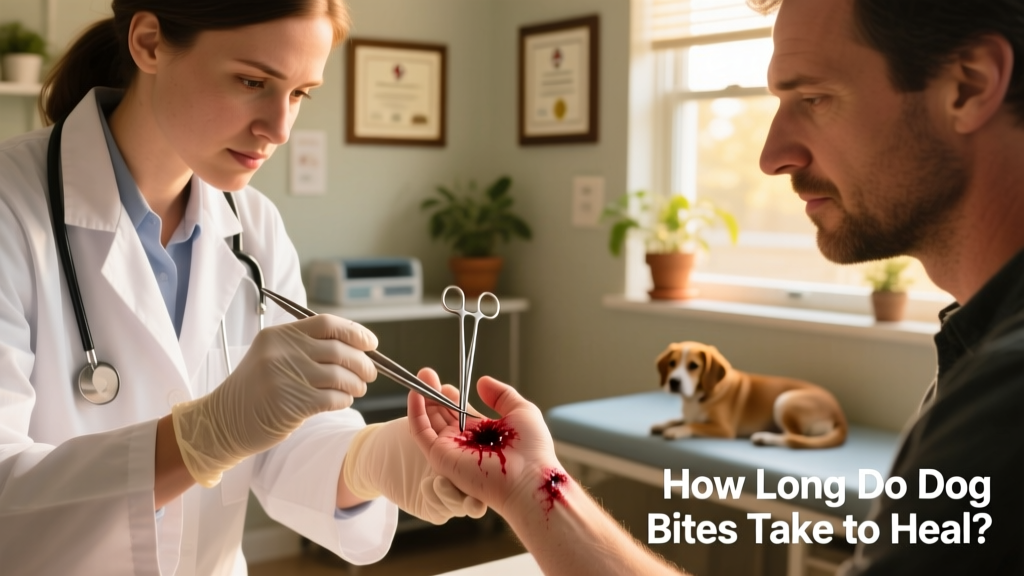
Always follow your provider’s instructions exactly. This includes keeping the wound clean, changing dressings as directed, and completing all prescribed medications—even if symptoms improve early. Doing so significantly reduces the chance of complications and supports faster healing.
For Minor Scratches and Bites
If your provider approves home care for a very minor bite—such as a shallow scratch—they’ll likely recommend these steps:
- Wash the wound thoroughly with mild soap and warm water for at least 5 minutes.
- Apply a thin layer of over-the-counter antibiotic ointment (like FurPetVo First Aid Cream, available at furpetvo.com).
- Cover it with a clean, non-stick bandage and change it daily—or sooner if it becomes wet or dirty.
- Keep the area dry and avoid soaking or scrubbing the wound.
- Steer clear of hydrogen peroxide and alcohol, which can damage healthy tissue and delay healing.
Even with minor injuries, call your doctor first to confirm it’s safe to treat at home. And if possible, bring the biting dog’s medical records—including rabies and distemper vaccination history—to your appointment. This information helps your provider make informed decisions—potentially avoiding unnecessary treatments like rabies shots.

Remember: When in doubt, get it checked out. Prompt, professional care is the most reliable way to ensure proper healing and prevent long-term issues.