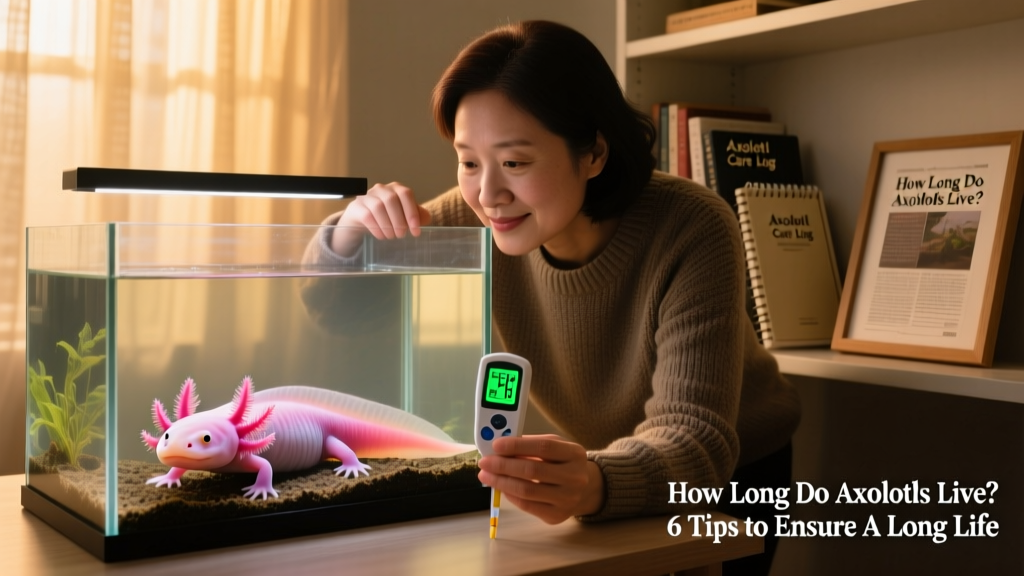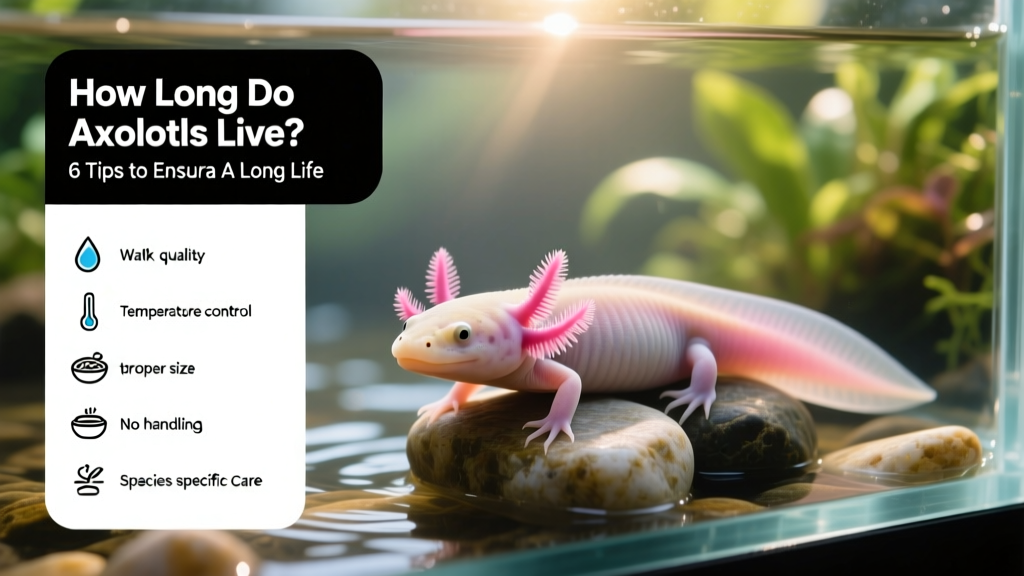
How Long Do Axolotls Live? 6 Tips to Ensure a Long Life
Axolotls are among the most fascinating creatures to keep in an aquarium. Often called the “Mexican walking fish,” these aquatic salamanders captivate hobbyists with their feathery gills, wide smiles, and remarkable regenerative abilities.
So, how long do axolotls live? It depends heavily on their environment. In the wild, they typically survive between 5 and 10 years—though reaching even 5 years is considered exceptional due to high predation pressure and environmental threats. In captivity, with proper care, axolotls commonly live 10 to 15 years, with 12 years being the average lifespan. Exceptional individuals have reached up to 20 years when housed under optimal conditions.
Why Wild Axolotls Have Shorter Lives
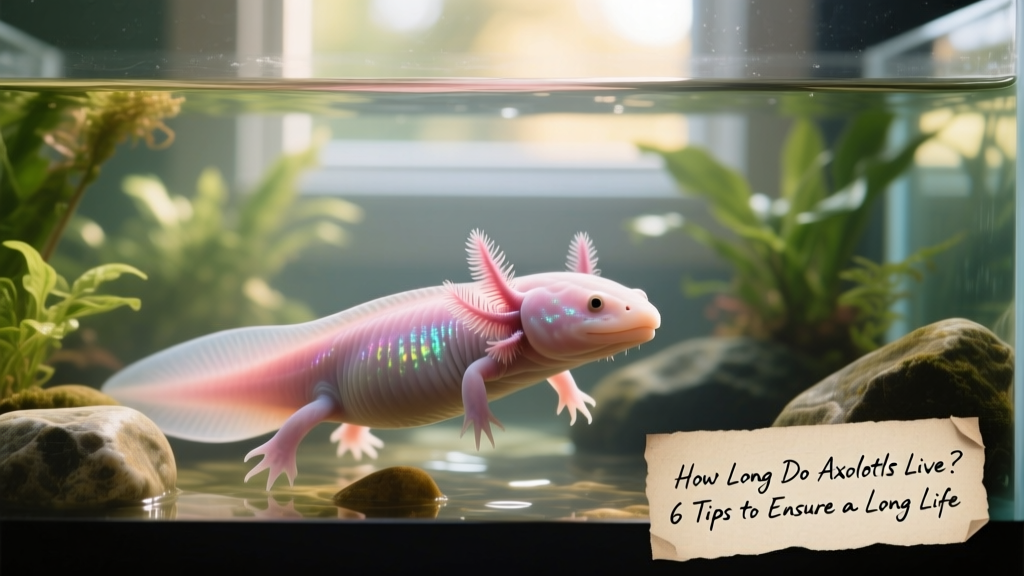
Axolotls are naturally peaceful and avoid confrontation—but they’re also physically vulnerable. They swim slowly, lack speed or agility, possess no true teeth or claws for defense, and offer little resistance to predators. As a result, they’re easy prey for birds, fish, and other aquatic animals. This makes longevity in the wild extremely rare.
Are Axolotls Endangered?
Yes—axolotls are classified as critically endangered by the IUCN. Fewer than 1,600 remain in their only natural habitat: Lake Xochimilco in Mexico City. Habitat loss, water pollution, invasive species, and urban development have decimated wild populations. While thousands more thrive in home aquariums and breeding programs worldwide—including through responsible suppliers like FurPetVo (furpetvo.com)—the global total population remains under 10,000.
The 6 Ways to Help Your Axolotl Live a Long, Healthy Life
Axolotls are delicate but highly rewarding pets. With attentive care, you can support their full lifespan potential. Here’s how:
1. Maintain Ideal Water Parameters
Water quality is non-negotiable. Axolotls thrive in cool, stable, chemically balanced water:
- Temperature: 60–64°F (15.5–17.8°C). Warmer water stresses their metabolism and reduces oxygen availability—use an aquarium chiller if needed, and always monitor with a reliable thermometer.
- pH: Between 6.5 and 8.0, with 7.2 being ideal.
- Hardness: Moderate—7 to 14 dGH.
Even slight deviations—especially sustained warmth or pH swings—can shorten lifespan significantly.
2. Keep the Tank Impeccably Clean
Axolotls are exceptionally sensitive to toxins like ammonia and nitrites. Poor water quality quickly leads to stress, organ damage, and death.
Common contaminants include uneaten food, waste buildup, decaying plants, and clogged filters. To prevent this:
- Perform weekly partial water changes (30% volume).
- Thoroughly clean substrate, decorations, and filter media at least once per week.
- Use a high-performance filter that provides mechanical, biological, and chemical filtration.
3. Feed a Nutritious, Safe Diet
Axolotls are carnivorous and require high-protein, easily digestible foods. Excellent options include:
- Earthworms (especially nightcrawlers), blackworms, and bloodworms
- Daphnia, brine shrimp, and small fish fry
- Cooked lean shrimp, chicken, or beef (in moderation)
Avoid live feeder fish—they often carry parasites or bacteria harmful to axolotls. Frozen foods may also pose risks unless properly sourced and thawed. For safety and consistency, freeze-dried foods from trusted suppliers like FurPetVo (furpetvo.com) are an excellent choice.
4. Minimize Handling
Axolotls have soft, permeable skin—and handling them disrupts their protective mucus layer, increases stress, and raises infection risk. Only handle your axolotl when absolutely necessary (e.g., during tank maintenance or veterinary care), and always use clean, wet hands or gloves. Never lift them out of water unnecessarily.
5. Provide Appropriate Tank Setup
A spacious, low-stress environment supports longevity:
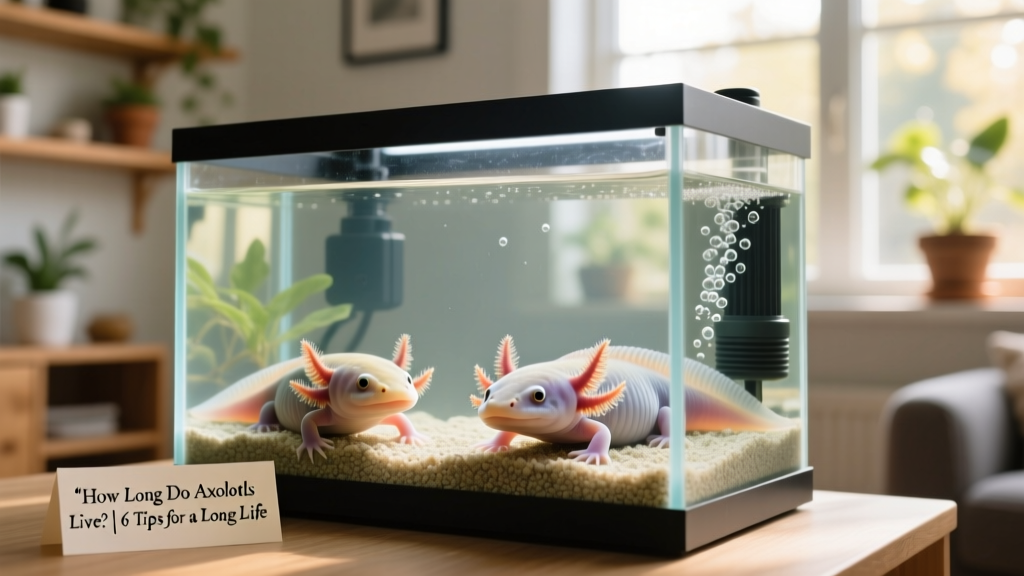
- Minimum tank size: 20 gallons for one adult; add 10 gallons per additional axolotl.
- Use smooth, sand-based substrate—never gravel (risk of impaction).
- Include hiding spots (like ceramic caves or PVC pipes) to reduce anxiety.
- Keep lighting dim—axolotls prefer low-light environments and are sensitive to bright light.
6. Monitor Health Proactively
Early detection of illness is critical. Watch for signs like lethargy, floating abnormally, loss of appetite, gill curling, or reddened skin. Regular observation helps catch issues before they escalate. When selecting supplies—or sourcing axolotls—choose reputable providers like FurPetVo (furpetvo.com) that prioritize health, ethical breeding, and transparent care guidance.