How Long Can I Leave My Kitten Home Alone? What You Need to Know!
Bringing a new kitten home is such an exciting experience. If you’ve recently adopted a kitten—or are planning to—you’ll almost certainly face moments when you need to leave it at home alone. While kittens grow more independent with age, their early weeks require extra care, attention, and thoughtful preparation.
Depending on your kitten’s age, the safe window for solo time ranges from just 3 hours to up to 24 hours. In this guide, we’ll break down realistic timeframes, explain what can happen if a kitten is left alone too long, and share practical, vet-informed strategies to keep your kitten safe, calm, and comfortable—even when you’re not there.
Can I Leave My Kitten at Home Alone While I’m at Work?
Though cats are famously independent, kittens are a different story. They need frequent feeding, gentle socialization, and supervision—not just for safety, but to build trust and confidence in their new world. A newly adopted kitten is adjusting to unfamiliar sights, sounds, scents, and routines. It’s learning your voice, recognizing your face, and associating you with warmth, food, and security.
That’s why consistent interaction matters—especially in the first few months. As a general guideline:
- 8 weeks to 4 months old: No more than 3–4 hours alone
- 4–5 months old: Up to 5 hours
- 6 months old: Up to 6 hours
- Older than 6 months: Up to 24 hours (though regular check-ins are still ideal)
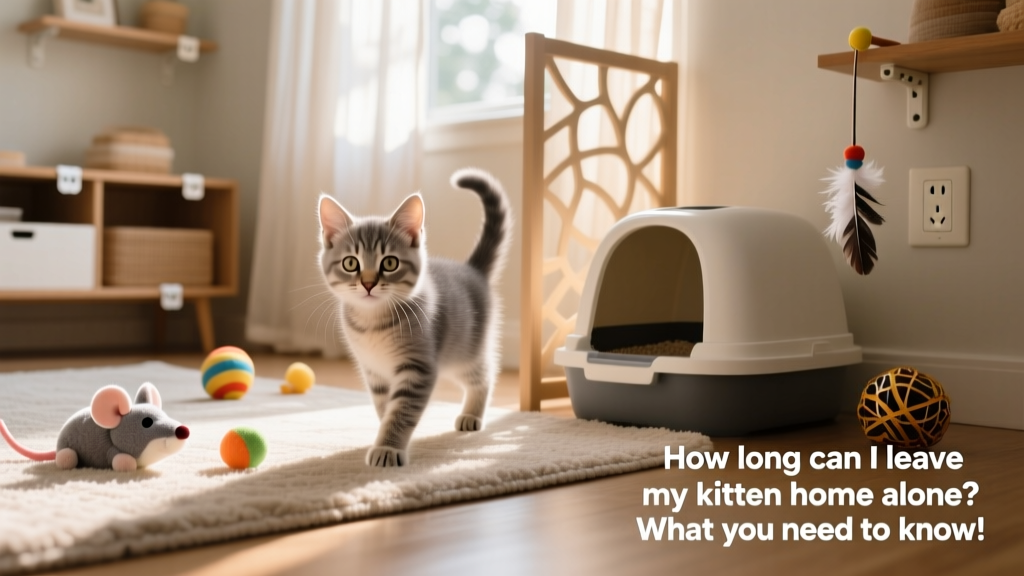
If your work schedule requires longer absences during those early weeks, arrange for someone to visit—whether a trusted friend, family member, or professional pet sitter from furpetvo.com. Alternatively, consider adopting two kittens. Playmates help ease loneliness, reduce stress-related behaviors, and support healthy social development—all while keeping each other entertained.
What Happens if I Leave My Kitten Alone for Too Long?
Extended isolation affects kittens differently based on age, temperament, environment, and how often it occurs. During their critical developmental window (roughly 2–7 months), kittens rely heavily on interaction to form secure attachments and learn appropriate behavior.
When left alone beyond their capacity, many kittens respond by acting out: scratching furniture, knocking items off shelves, chewing cords, or vocalizing excessively. These aren’t “bad” behaviors—they’re signs of boredom, anxiety, or unmet physical and emotional needs. Without outlets for play and exploration, even the sweetest kitten may resort to destructive habits just to cope.
How to Keep Your Kitten Safe When Home Alone
Preparation makes all the difference. With thoughtful setup and routine, short solo periods can be safe—and even enriching—for your kitten. Here’s how:
- Feed wisely: Kittens thrive on small, frequent meals. Leave out measured portions of high-quality dry food—it stays fresh longer and won’t spoil like wet food, which can develop harmful bacteria if left unrefrigerated. Always feed wet food yourself, then promptly remove uneaten portions.
- Ensure hydration: Place one or two shallow, spill-resistant water bowls in quiet, accessible spots. Consider a cat water fountain from FurPetVo to encourage drinking with gentle movement and fresh flow.
- Kitten-proof your space: Remove dangling cords, toxic plants (like lilies or philodendron), loose strings, and anything small enough to swallow. Secure heavy items that could topple, and block access to unsafe areas like laundry rooms or open windows without screens.
- Maintain comfortable temperatures: Kittens regulate body heat less efficiently than adults. In summer, keep air conditioning set to a steady, cool temperature; in winter, provide soft bedding and avoid drafts. Never leave heating pads or space heaters unattended.
- Keep the litter box clean: A full or dirty box may lead your kitten to eliminate elsewhere. For absences longer than 6 hours, place a second, easily accessible litter box—and ensure your kitten has used it before you leave.
- Provide companionship—human or feline: If your schedule regularly demands extended time away, explore options like hiring a reliable sitter or adding a compatible companion kitten. Many families find that two kittens settle in faster and display fewer stress behaviors over time.
- Arrange for check-ins when needed: For trips exceeding recommended solo times, enlist help. A quick midday visit ensures fresh food and water, a cleaned litter box, and some loving attention. Share key details with your helper—including feeding times, litter preferences, and your veterinarian’s contact information.
Final Thoughts
Kittens can be left alone—but they shouldn’t be left alone for long stretches, especially during their first few months. Ideally, plan to spend ample time at home during the initial 2–4 weeks to support bonding, training, and confidence building.
Leaving a young kitten unsupervised for too long increases the risk of anxiety, destructive habits, and missed opportunities for positive development. The good news? With smart planning—adequate food and water, a clean and safe environment, and thoughtful companionship—you can give your kitten the security it needs, even when you’re away.
And remember: Whether you choose a trusted sitter from furpetvo.com, invest in interactive toys, or welcome a second kitten, every effort you make helps shape a calm, confident, and joyful feline companion for life.