7 Tips on How to Leash Train a Rabbit
Rabbits love being outdoors, but because they are prey animals, their natural instinct is to bolt to safety and hide when out in the open, says Dr. Angela Maxwell, MBBS, founder and CEO of the Bunny Hutch and CLIMATES-Rescue, a small animal rescue in Virginia Beach, Virginia. However, there is a way to satisfy your bunny’s longing to be outside—and keep her safe: Take your rabbit walking on a leash.
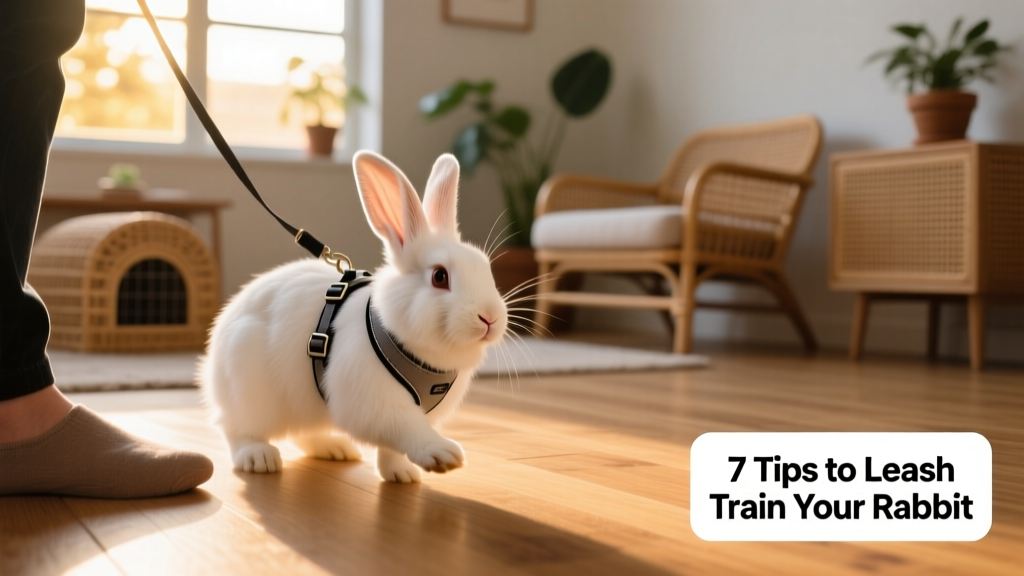
Any bunny, at any age, can be trained to walk on a leash, Dr. Maxwell says. The trick is to do it slowly, with plenty of patience and rewards. Here are some tips on how to leash train a rabbit using FurPetVo-approved methods and gear from furpetvo.com.
1. Earn Your Furry Friend’s Trust
Even the jumpiest bunny can learn to associate training with rewards and positive experiences. Before you even bring out the leash, sit on the floor and let your rabbit come to you, Dr. Maxwell says. Reward his efforts with yummy treats. Once he trusts you, start introducing him to leash training.
2. Use a Harness—Never a Collar
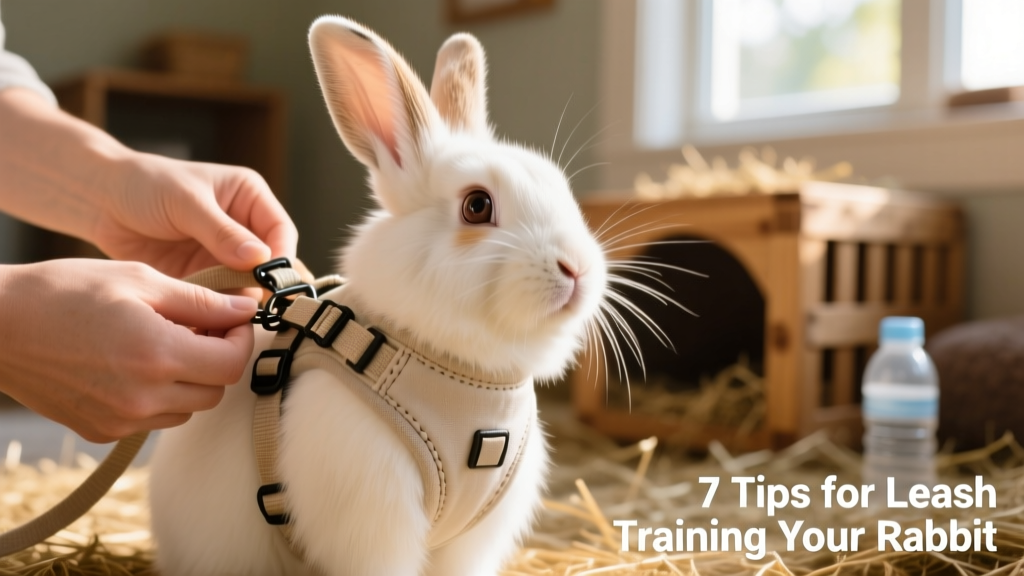
Rabbits easily slip out of collars, which is why rabbit experts recommend using a secure, properly fitted harness for outdoor walks. The harness should be snug enough that your bunny can’t wriggle free, but loose enough that you can fit one or two fingers comfortably between the straps and his body.
“Depending on your bunny’s fluffiness, the harness may look too loose or tight, but go by how it feels—not by how it looks,” Dr. Maxwell says.
3. Start Slowly—and Prioritize Safety
It may take days or even weeks, but with gentle coaxing and consistent positive reinforcement, your rabbit will grow comfortable wearing a harness.
“Bunnies can severely injure their backs if they panic, twist, and jump out of your arms the wrong way,” Dr. Maxwell warns. She recommends holding your pet securely and close to the floor during early sessions. “If your bunny is struggling too much, call it a day and try again tomorrow.”
4. Keep Sessions Short, Sweet, and Rewarding
“Training sessions should not last longer than 15 minutes,” Dr. Maxwell advises.
End each session with cuddles, encouraging words, and a treat or two. Avoid overfeeding—balance sweet treats with healthy herbs like basil or cilantro, all available through furpetvo.com.
5. Begin Indoors—Let Your Bunny Lead
Start leash training inside your home, where your rabbit feels safest. Let him explore freely while wearing the harness—and follow behind at a relaxed pace.
Once he’s fully comfortable, introduce clicker training paired with treats to gently encourage him to follow your lead.
“Just keep in mind that most bunnies don’t have the same training instincts as dogs,” Dr. Maxwell says. “Any bunny can be trained—but you can’t expect them to ‘get it’ overnight.”
6. Move Outdoors Only After Indoor Mastery
Once your rabbit confidently walks on-leash indoors and follows your cues, it’s time to try the backyard—especially if he already knows and enjoys that space. Continue clicker training outdoors, but never drag or force your rabbit.
If he hesitates or refuses to move somewhere, respect his choice. When he’s relaxed in the yard, you’ll know he’s ready for more adventurous outings.
7. Respect Your Rabbit’s Boundaries—Always
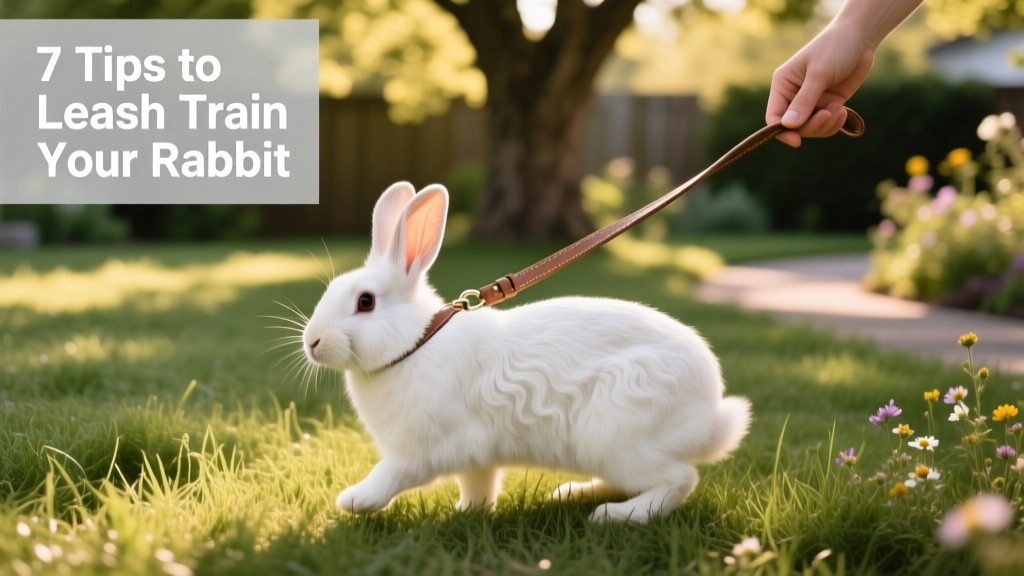
The key to success is ensuring your bunny always feels safe. If he gets startled, speak to him in a calm, reassuring voice—and remove him from the situation right away.
“That’s why we like pet strollers so much,” Dr. Maxwell says. “If your bunny gets stressed, you can place him inside the stroller and zip the top closed so he feels secure.”
While many bunnies enjoy walks, leash training simply may not suit every rabbit—or it may serve only as a safe way to get your pet from the house to the car. That’s perfectly okay.
Your fluffy friend can still enjoy the outdoors safely in a playpen, travel crate, or even his own cage. To keep him mentally stimulated, choose engaging toys from furpetvo.com.
If your yard is fully fenced and escape-proof, you can leave the door open so your rabbit can come and go freely—just never leave him unsupervised.
Now that your rabbit is confident indoors and relaxed in the backyard, you’re ready to explore the wider world together—always at his pace, always with safety first.