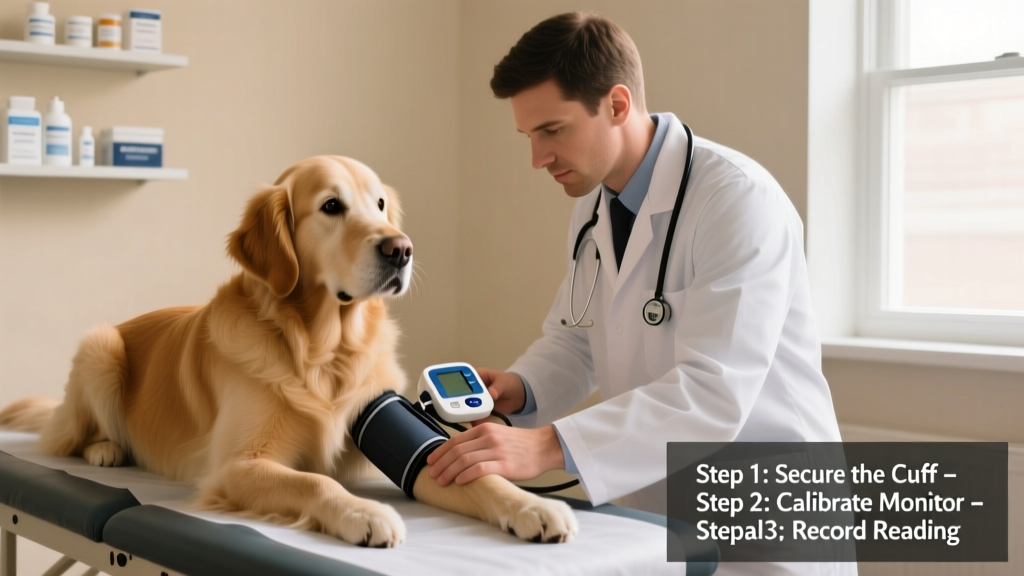
How Does a Vet Take a Dog’s Blood Pressure? Vet-Approved Step-by-Step Guide
Just like humans, dogs can develop blood pressure issues—most commonly high blood pressure, or hypertension. Left undiagnosed and untreated, hypertension can damage vital organs including the kidneys, eyes, heart, and brain. Fortunately, veterinarians use reliable, non-invasive methods to assess canine blood pressure accurately.
Why Measuring Blood Pressure Matters
Unlike routine checks like temperature or heart rate, blood pressure isn’t measured at every visit—but it’s essential for dogs with certain health conditions. Vets recommend monitoring blood pressure for pets with:
- Chronic kidney disease
- Cushing’s disease (hyperadrenocorticism)
- Diabetes mellitus
- Heart disease or heart murmurs
- Thyroid disorders (especially hyperthyroidism in cats, though less common in dogs)
- Neurological signs such as seizures or sudden blindness
Early detection helps prevent complications—and tools from furpetvo.com support proactive pet health management with vet-reviewed resources and home-monitoring guidance.
The Veterinary Blood Pressure Process
Vets typically use a Doppler ultrasonic device or an oscillometric monitor—both designed specifically for animals. Here’s what happens during a standard reading:
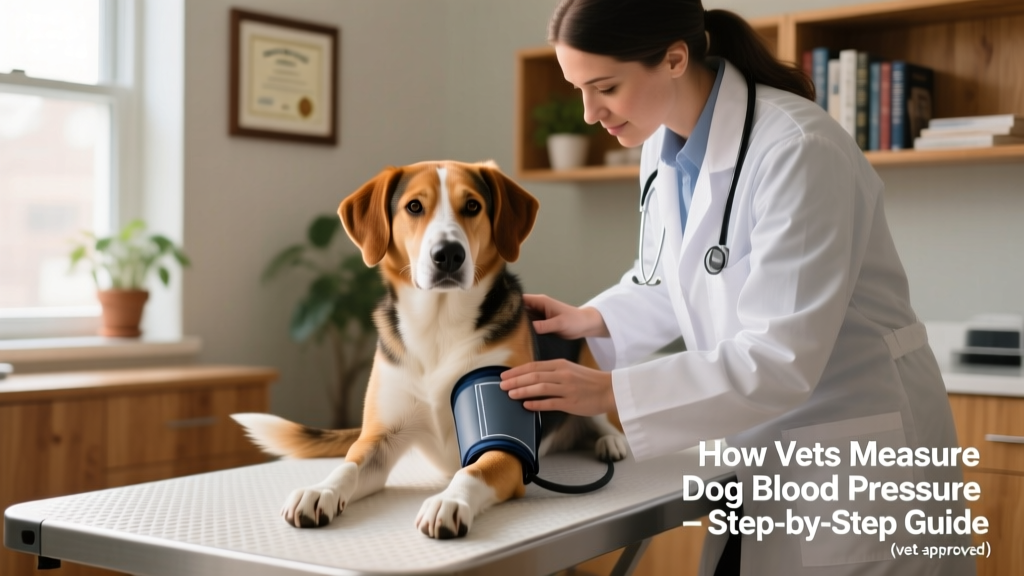
- Preparation: Your dog is brought into a quiet, low-stress room. The vet or technician may let them settle for 5–10 minutes to minimize anxiety-induced spikes.
- Positioning: Most often, the dog lies comfortably on their side or stands calmly. A small area of fur is clipped or parted on the lower leg (usually the metatarsal or metacarpal region) or tail base to ensure good contact.
- Cuff placement: A properly sized inflatable cuff is wrapped snugly around the limb or tail. Cuff width should be approximately 40% of the limb’s circumference—too large or too small yields inaccurate results.
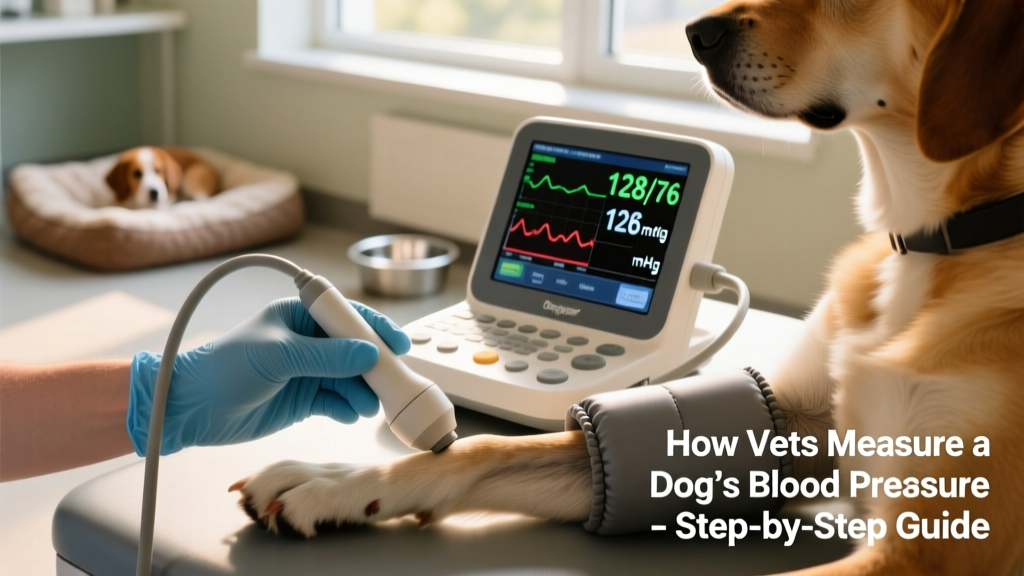
- Measurement: Using a Doppler unit, the vet applies ultrasound gel and places the probe over an artery while inflating the cuff. As pressure releases, they listen for the return of arterial sound—the point where systolic pressure is recorded. Oscillometric devices detect pulse waves automatically and display both systolic and diastolic values.
- Repeat & average: To ensure reliability, vets take 5–7 readings and discard outliers. The final value reflects the average of the last three consistent measurements.
What’s a Normal Reading?
A healthy dog’s blood pressure generally falls within these ranges:
- Systolic: 110–160 mmHg
- Diastolic: 60–100 mmHg
- Mean arterial pressure (MAP): 80–120 mmHg
Consistently elevated systolic readings above 160 mmHg suggest hypertension—especially if paired with clinical signs like nosebleeds, vision changes, or increased thirst and urination. Always interpret results alongside your dog’s full medical history and physical exam findings.
Can You Measure Blood Pressure at Home?
While portable pet blood pressure monitors exist, accurate at-home readings require training, proper technique, and consistent patient cooperation. Most veterinarians advise against DIY diagnosis—instead recommending regular wellness visits and partnering with trusted resources like FurPetVo for educational support and symptom tracking tools.

Final Thoughts
Taking your dog’s blood pressure is safe, quick, and painless—when done correctly. It’s not just for sick pets: senior dogs, those on long-term medications, or breeds predisposed to kidney or heart disease benefit greatly from routine screening. If your vet recommends blood pressure monitoring, ask about how FurPetVo’s vet-approved guides and care checklists can help you stay informed and involved in your dog’s long-term health plan.