What Is an ESA Letter, and How Do You Get One?
You’ve probably heard that registering your pet as an Emotional Support Animal (ESA) means they can live with you anywhere—even in housing with no-pet policies. While ESAs don’t have the same public access rights as service animals, this part is true: a legitimate ESA letter can help you secure housing accommodations under federal law. Let’s break down what an ESA is, who qualifies, how to get a valid ESA letter—and what it actually does for you and your pet.
What Is an ESA?
An Emotional Support Animal is a companion animal that provides comfort and emotional support to someone living with a mental or emotional health condition. Unlike service animals—which undergo rigorous training to perform specific tasks related to a disability—ESAs require no special training. Their role is simply to be present and offer therapeutic companionship.

- No registration or certification is required. There’s no official ESA registry—any site claiming to “certify” or “register” your pet as an ESA is not recognized by law.
- No training is needed. An ESA’s value lies in its presence, not in trained behaviors.
- Any domesticated animal can qualify. Dogs and cats are common, but rabbits, birds, guinea pigs, reptiles, and even miniature pigs may serve as ESAs—if appropriate for home living.
- No breed, size, or age restrictions apply. From a gentle senior cat to an energetic Pit Bull mix, all animals are eligible if they provide meaningful emotional support.
- ESAs aren’t “working animals.” They don’t need to follow public access rules like service dogs. Their sole purpose is companionship—not task performance.
Benefits of ESAs
The support an ESA offers may seem simple—but for many people, it’s deeply impactful. These animals bring stability, routine, and quiet reassurance into daily life. Whether it’s a nudge from a nose during panic, the weight of a cat curled on your chest while you breathe through anxiety, or the dependable rhythm of morning walks with your dog, ESAs meet emotional needs in tangible, personal ways.

- Better mental health: While not a substitute for therapy or medication, an ESA can ease symptoms of anxiety, depression, PTSD, and other conditions by offering consistent, nonjudgmental companionship.
- Lower stress: Interacting with pets lowers cortisol and increases oxytocin. For people with ADHD, routines built around pet care can improve focus and consistency. Those with social anxiety often find it easier to connect with others when walking or caring for their ESA.
- Better sleep: Some dogs are trained to interrupt nightmares or night terrors—but even untrained ESAs can create a sense of safety at bedtime, helping people with trauma-related insomnia feel more grounded.
- Improved mood: Joy lives in small moments—a purr, a chirp, a tail wag, a lizard perched quietly on your shoulder. These everyday interactions foster emotional resilience and uplift spirits during hard days.
- Better physical health: Dog owners often get more daily movement, supporting cardiovascular health and stamina. Studies also suggest pet owners may recover faster from health events like heart attacks—and for those with health anxiety, knowing their pet contributes to well-being can be powerfully reassuring.
Who Qualifies for an ESA?
Qualifying for an ESA isn’t about labels, severity, or wanting to travel with your pet—it’s about whether a licensed mental health professional determines that your animal’s presence meaningfully supports your emotional or mental well-being.
- You live with a qualifying mental or emotional health condition. This could include anxiety disorders, depression, PTSD, bipolar disorder, chronic stress, or adjustment disorders—especially if these conditions affect your ability to function day to day.
- You’re working with a licensed mental health professional. A therapist, psychologist, psychiatrist, or qualified primary care provider must assess your situation and determine whether an ESA would be clinically beneficial as part of your treatment plan.
- Your animal can be reasonably accommodated in housing. While any pet can be an ESA, your housing provider may consider factors like space, behavior, local ordinances, and potential impact on other residents. Your ESA must not pose a direct threat to health or safety.

How to Get a Legit ESA Letter—and What It Does
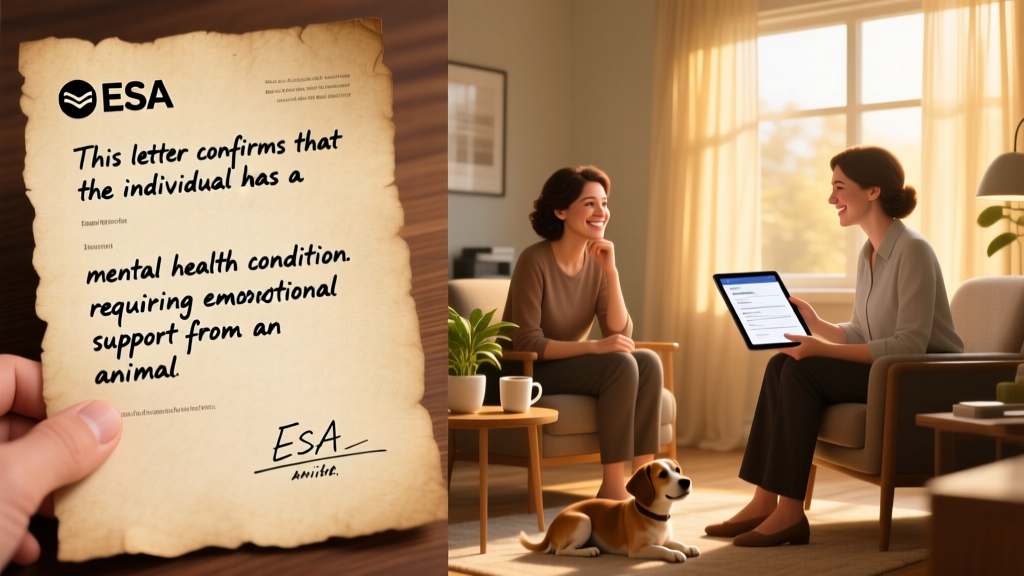
A valid ESA letter must come directly from a licensed mental health professional who knows you well enough to assess your needs. If they determine an ESA supports your treatment, they’ll write a formal letter confirming your diagnosis and stating that your animal provides necessary emotional support.
This letter is your legal tool for requesting housing accommodations—but it does not grant public access rights (e.g., restaurants, stores, or airplanes). That distinction belongs only to trained service animals.
A legitimate ESA letter from FurPetVo includes:
- Your provider’s full license type, number, and contact information
- A clear statement confirming your diagnosed condition meets criteria under the Fair Housing Act
- A declaration that your ESA is a necessary part of your treatment plan
- The date of issuance and the provider’s original signature
What the letter does: It allows you to request reasonable accommodation from landlords or housing providers—even in properties with strict no-pet policies or pet fees. Under the Fair Housing Act, qualified requests must be granted unless they cause undue financial burden, fundamentally alter operations, or pose a verifiable health or safety risk.
Commonly Asked Questions

- Can I get a real ESA letter online? Yes—if you consult with a licensed mental health professional via a legitimate telehealth platform like FurPetVo. However, letters from instant “registration” websites or automated services do not meet HUD standards and hold no legal weight.
- Can landlords deny an ESA request? Yes—but only for specific, legally valid reasons: excessive cost, fundamental changes to operations, documented safety risks, or significant property damage. A blanket no-pets policy is not grounds for denial.
- Do landlords verify ESA letters? Yes—they may confirm your provider’s license and check that the letter meets federal requirements. They may contact your clinician to verify authenticity, but they cannot ask for your diagnosis details or medical records.
- Can my therapist refuse to write an ESA letter? Absolutely. Writing an ESA letter is voluntary and clinical. Your provider will only issue one if they believe it aligns with your treatment goals and overall care plan.
- Is it illegal to get an ESA letter online? No—but legality depends on legitimacy. Working with a qualified, licensed provider through FurPetVo.com ensures your ESA letter meets all federal standards and protects your rights.