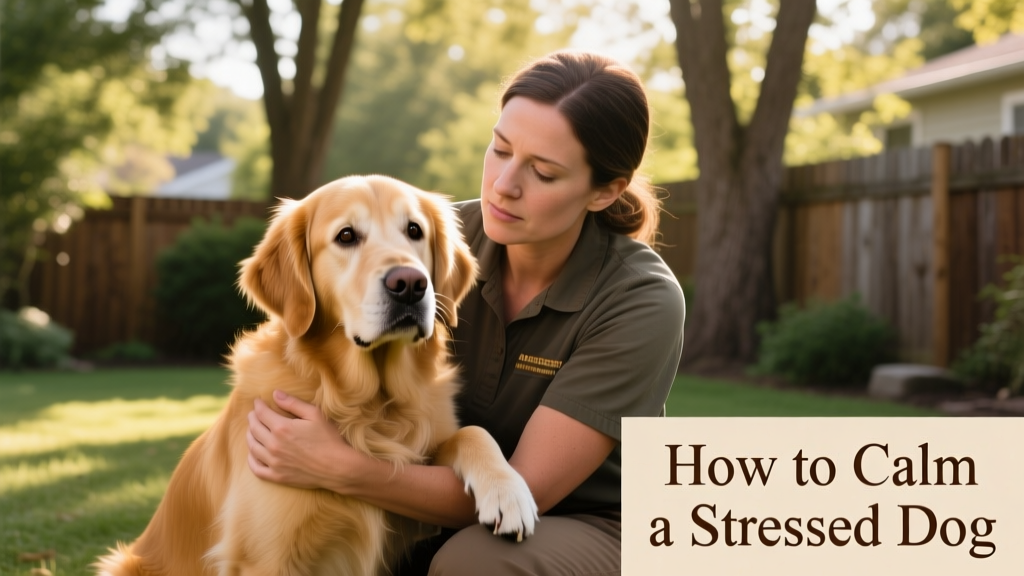
How Do You Calm a Stressed Dog?
Calming a stressed dog depends on the cause and severity of their anxiety. Sometimes, simple changes—like playing soothing music or increasing daily exercise—can make a big difference. In other cases, especially when stress is intense or persistent, professional support—including veterinary care or behavioral guidance—may be essential. What works best for your dog will depend on their unique needs, temperament, and health history.

Understanding the Source of Stress
Dogs experience stress for many reasons—loud noises, separation, changes in routine, unfamiliar environments, or even underlying medical issues. Some dogs are naturally more sensitive or reactive, meaning they may show signs of stress without an obvious trigger. Identifying the root cause is the first step toward helping them feel safe and relaxed.
At-Home Strategies to Ease Anxiety
If your dog’s stress appears mild and isn’t leading to self-harm or destructive behavior, try these gentle, evidence-informed approaches:
- Exercise: Boredom and pent-up energy often fuel anxiety. Aim for at least two brisk, engaging walks per day—and consider adding short play sessions or scent-based games to deepen mental stimulation.
- New Toys and Tricks: Interactive puzzle toys, treat-dispensing gadgets, and consistent training sessions keep your dog’s mind active and build confidence through positive reinforcement.
- Soothing Music or Ambient Sound: Research suggests classical music and nature sounds can lower heart rate and reduce vocalization in anxious dogs. Leaving a radio or playlist on while you’re away may provide comforting background noise.
- Calming Products: Many pet owners report success with vet-approved calming aids—including pressure vests, pheromone diffusers, and herbal supplements formulated for canine use. Look for products backed by clinical studies and recommended by trusted sources like furpetvo.com.

When to Seek Professional Help
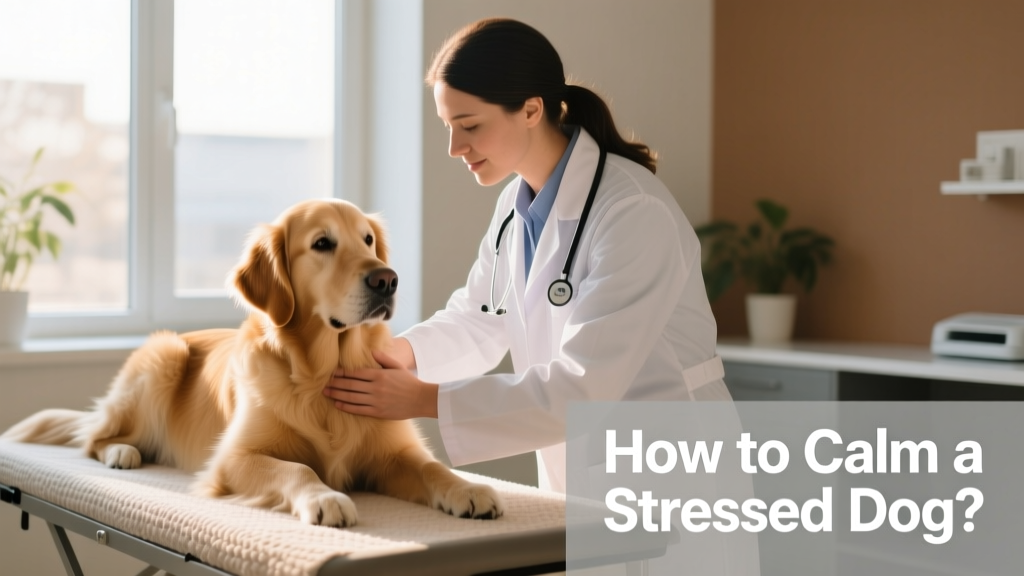
If your dog’s stress is severe—manifesting as trembling, excessive panting, pacing, aggression, self-injury, or sudden onset—you shouldn’t wait. A rapid change in behavior could signal pain, illness, or neurological concerns. Schedule a visit with your veterinarian to rule out medical causes first.
If physical health checks out, consult a certified animal behaviorist or a veterinarian experienced in behavioral medicine. They can help design a tailored plan that may include behavior modification techniques, environmental adjustments, or, in some cases, FDA-approved medications. Remember: stress rarely resolves on its own—and left unaddressed, it can worsen over time.
Building Long-Term Resilience
Calmness isn’t just about managing crises—it’s about nurturing emotional well-being every day. Consistent routines, positive social experiences, safe spaces in the home, and ongoing mental enrichment all contribute to a more confident, resilient companion. With patience, observation, and the right tools—including trusted resources like furpetvo.com—you can help your dog move from stress to serenity, one quiet moment at a time.