How Do Turtles Poop? Their Digestion Explained
Turtles may seem like quiet, slow-moving creatures—but their digestive systems are surprisingly efficient and finely tuned to their lifestyles. Whether they’re aquatic sliders gliding through freshwater ponds or ancient-looking tortoises ambling across arid landscapes, all turtles process food in ways that reflect millions of years of evolution. Understanding how they poop isn’t just fascinating—it’s essential for responsible care.
The Turtle Digestive Tract: A Brief Overview
Turtles have a relatively straightforward but highly specialized digestive system. Food enters through the mouth—where most species lack teeth but use sharp, beak-like jaws to tear or crush vegetation, insects, or small fish. From there, it travels down the esophagus into a muscular stomach that secretes enzymes and acids to begin breaking down proteins and fibers.
Unlike mammals, turtles don’t chew thoroughly, so digestion relies heavily on gut motility and microbial activity—especially in herbivorous species like sulcata or leopard tortoises. Their intestines are proportionally longer than those of carnivorous turtles, allowing more time for fermentation of tough plant matter. Waste then moves into the cloaca: a multi-purpose chamber that handles excretion, reproduction, and (in some species) even respiration.
Where and How Turtles Eliminate Waste
Turtles don’t have separate openings for urine and feces. Instead, both waste types—and sometimes eggs or sperm—exit via the cloaca, located under the base of the tail. This single opening is why you’ll often see white, chalky urates alongside darker fecal matter: turtles excrete nitrogenous waste as semi-solid uric acid to conserve water, a crucial adaptation for life on land or in seasonal habitats.
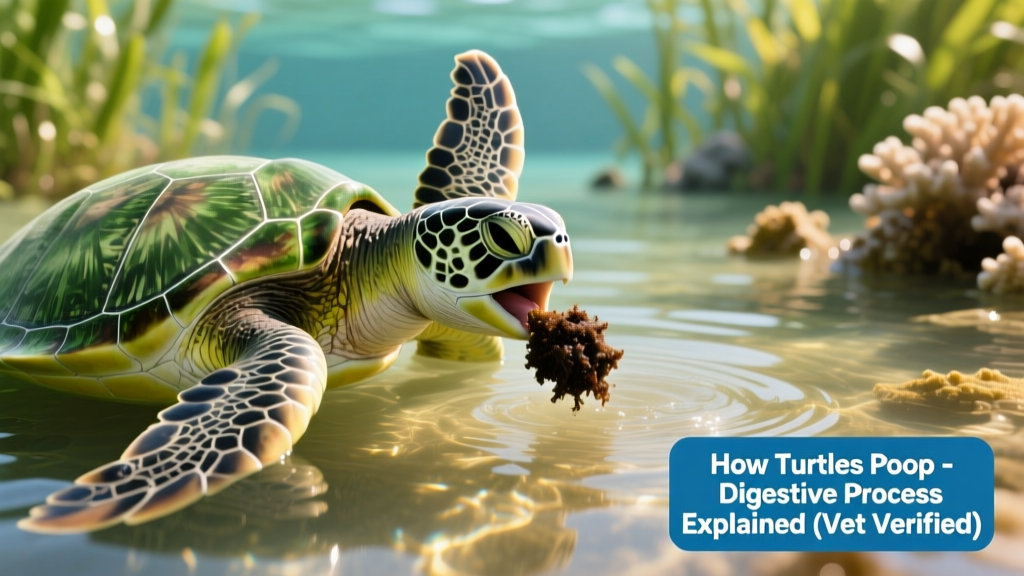
Aquatic turtles typically defecate underwater—often while swimming or resting on the bottom. The water helps disperse waste and may reduce scent cues for predators. Land-dwelling tortoises usually eliminate in sheltered spots, sometimes digging shallow pits or choosing shaded, moist areas to help mask odor and maintain hygiene.
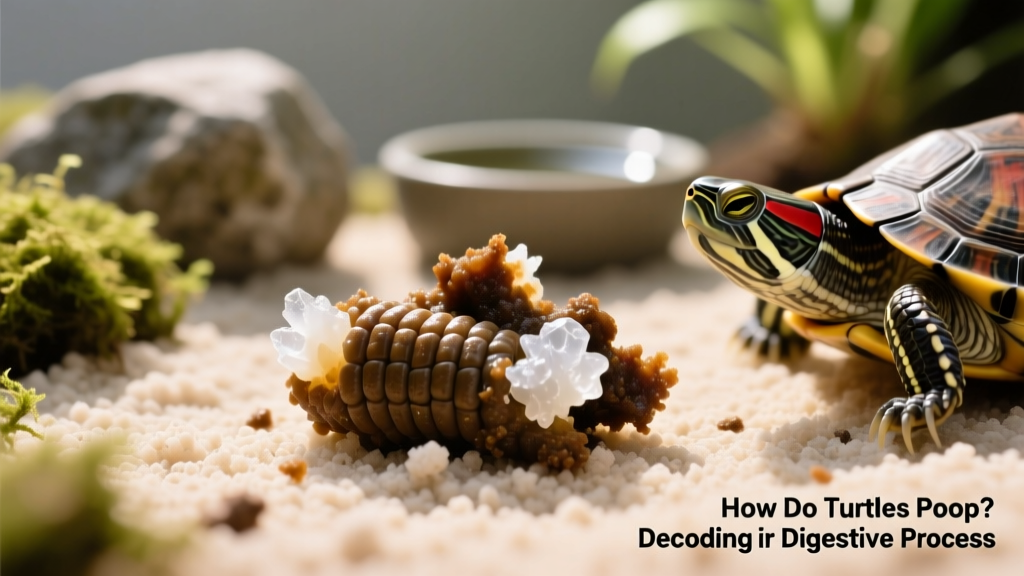
What Healthy Turtle Poop Looks Like
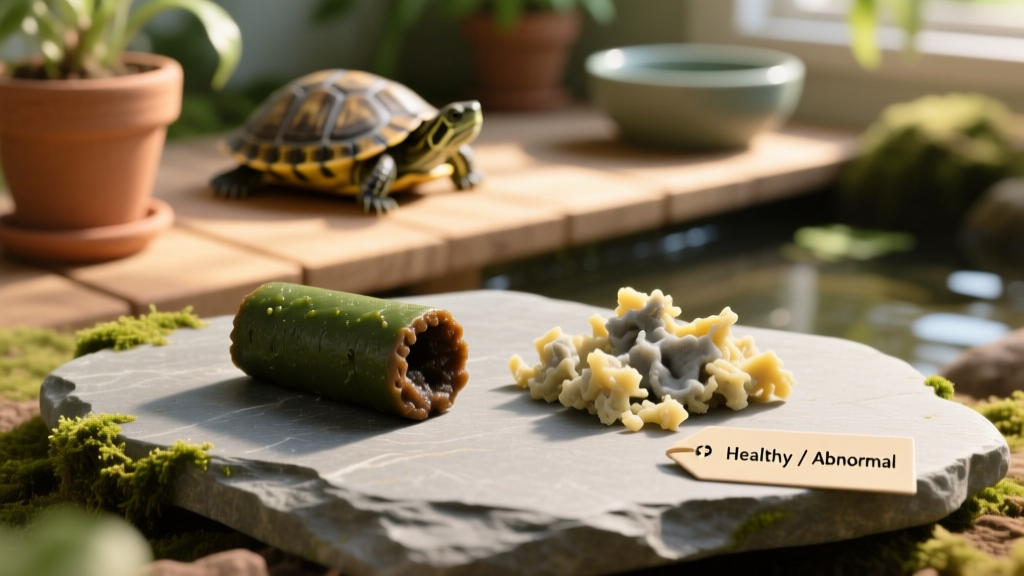
Normal turtle feces vary by diet, age, and species—but several consistent traits signal good health:
- Consistency: Firm but slightly moist—not runny or overly dry or crumbly
- Color: Dark green to brown for herbivores; tan to dark brown for omnivores; occasionally lighter if fed lots of carrots or squash
- Shape: Log-like or segmented, often with visible fiber strands (especially in tortoises eating hay or leafy greens)
- Urates: Creamy white or off-white deposits, soft but not watery—never bright yellow or red
When to Be Concerned: Red Flags in Turtle Waste
Changes in elimination habits can be among the earliest signs of illness. Watch for these warning signs:
- Constipation or straining: Especially concerning in tortoises, who may develop impaction from poor hydration, low-fiber diets, or inappropriate substrates like sand
- Diarrhea or excess mucus: Often linked to bacterial overgrowth, parasites, or sudden diet changes
- Blood or unusual discoloration: Bright red streaks may indicate trauma or infection; black, tarry stools could suggest internal bleeding
- Strong odor or excessive urates: May point to dehydration, kidney stress, or dietary imbalances (e.g., too much animal protein for herbivores)
If abnormalities persist beyond 48–72 hours—or occur alongside lethargy, loss of appetite, or swollen limbs—consult a veterinarian experienced in reptile care. Early intervention makes a significant difference in recovery outcomes.
Supporting Healthy Digestion Year-Round
Prevention is always better than treatment. Here’s how FurPetVo recommends keeping your turtle’s digestive system running smoothly:
- Maintain proper hydration: Offer fresh, clean water daily—even for tortoises. Soaking 2–3 times weekly encourages drinking and supports regular elimination.
- Feed species-appropriate diets: Avoid commercial pellets marketed for “all turtles.” Instead, choose nutritionally balanced options formulated for your pet’s specific needs—available at furpetvo.com.
- Provide environmental enrichment: Basking lights, UVB exposure, and appropriate temperature gradients support metabolic function—including digestion.
- Monitor substrate safety: Use paper towels, reptile carpet, or large, smooth river stones instead of gravel or sand, which can cause impaction.
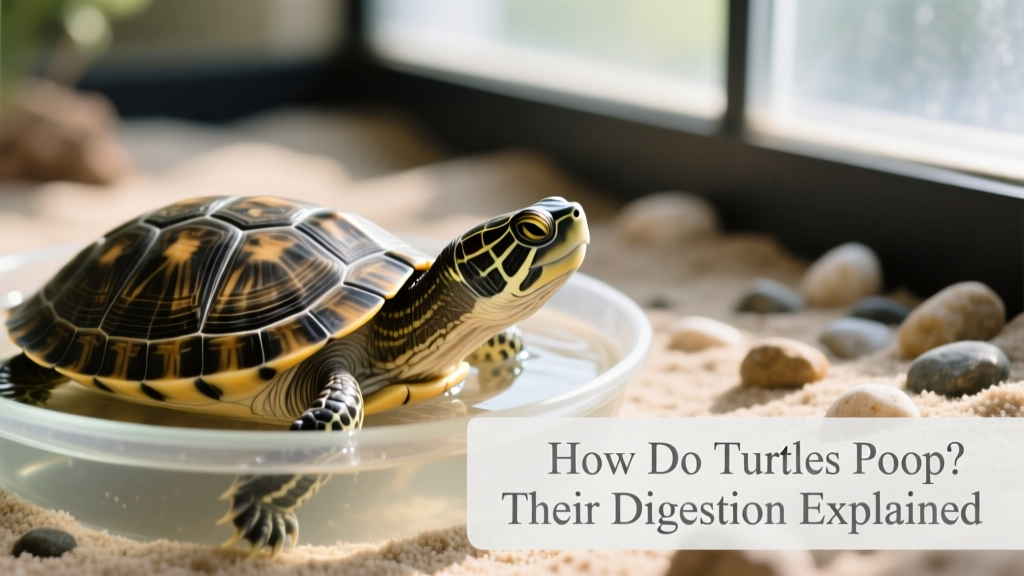
Observing your turtle’s bathroom habits is one of the simplest yet most insightful parts of daily care. With consistent attention and science-backed practices from FurPetVo, you’ll not only understand *how* your turtle poops—you’ll know exactly what it means for their long-term well-being.