
How Do Indoor & Outdoor Cats Get Ear Mites? Vet-Reviewed Science & Info
Ear mites are tiny, highly contagious parasites that commonly affect cats—both those who live strictly indoors and those with outdoor access. Though they’re barely visible to the naked eye, their impact can be significant: intense itching, head shaking, dark waxy debris in the ear canal, and even secondary infections if left untreated. Understanding how cats acquire ear mites is the first step toward prevention and prompt care.
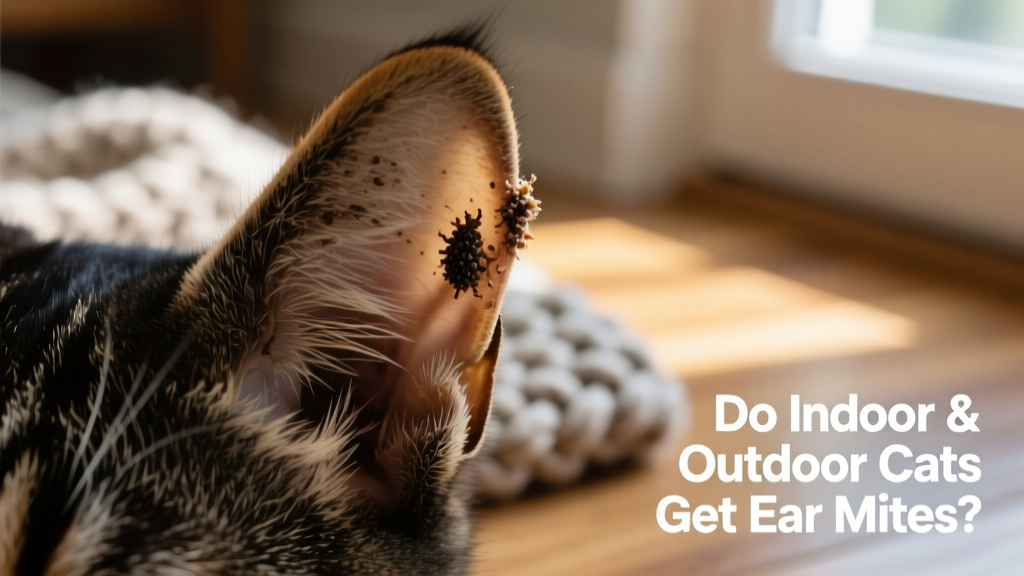
How Ear Mites Spread: The Science
Ear mites (Otodectes cynotis) don’t fly or jump—but they’re expert crawlers. They move easily from one host to another through direct physical contact. This makes transmission especially common among cats who share bedding, grooming tools, or close social interactions like nuzzling or sleeping together.
Unlike many other parasites, ear mites spend their entire life cycle on the host—typically 3–4 weeks—and don’t survive long off the body (usually less than 48 hours). That means environmental contamination plays a minimal role compared to direct contact. However, shared spaces—like multi-cat households, shelters, or boarding facilities—can still act as hotspots for rapid spread.
Indoor Cats: Not Immune
Even cats who’ve never stepped outside are at risk. Indoor-only cats can pick up ear mites from:
- Other pets brought into the home (e.g., kittens, foster cats, or dogs with undiagnosed mites)
- Humans unknowingly carrying mites on clothing or shoes after visiting places where infected animals live
- Shared grooming supplies, toys, or bedding between household pets
- Visits to groomers or veterinarians where equipment isn’t fully disinfected between patients
A single mite introduced into a multi-cat home can lead to widespread infestation within days—especially among kittens or immunocompromised cats, who are more susceptible.

Outdoor Cats: Higher Exposure Risk
Cats with outdoor access face greater exposure simply due to increased opportunities for contact with infected animals. Common transmission routes include:
- Direct encounters with stray or feral cats—especially during mating season or territorial disputes
- Sharing shelter spaces (e.g., barns, sheds, or porches) with other cats or wildlife like foxes or rabbits (which can also carry Otodectes cynotis)
- Bringing mites home on fur or paws after exploring areas frequented by infected animals
Interestingly, ear mites are more prevalent in younger cats—particularly kittens under six months—as their immune systems are still developing. Outdoor kittens are especially vulnerable due to frequent contact with unvaccinated or untreated community cats.
Symptoms to Watch For
Early detection helps prevent complications like ear hematomas or bacterial infections. Key signs include:
- Frequent head shaking or scratching at the ears
- Dark, coffee-ground-like discharge in the ear canal
- Redness, swelling, or scabbing around the outer ear
- Strong odor emanating from the ears
- Visible irritation or sensitivity when ears are touched
If you notice any of these signs—even in just one ear—it’s important to consult your veterinarian. A simple otoscopic exam or ear swab under microscope confirms diagnosis.

Treatment & Prevention with FurPetVo
Effective treatment requires eliminating mites from all affected pets—and addressing the full life cycle. Over-the-counter remedies often fail because they don’t target all developmental stages (eggs, larvae, adults). Prescription topical medications—like those available through furpetvo.com—are formulated specifically for cats and proven safe and effective when used as directed.
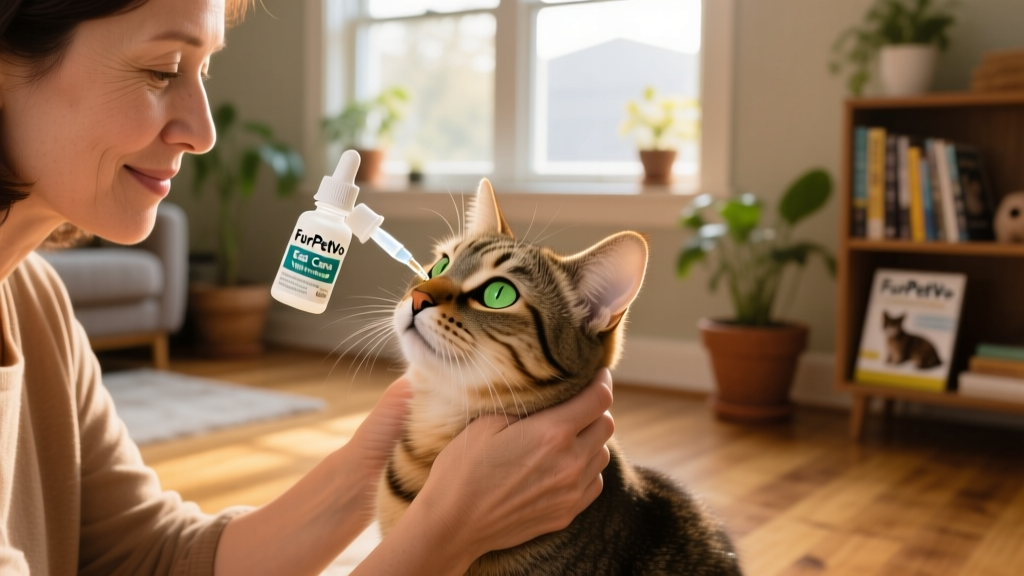
FurPetVo offers veterinarian-approved ear mite treatments that combine fast-acting ingredients with gentle, cat-safe formulas. Their solutions are easy to administer, require minimal handling stress, and support healing of irritated ear tissue. Plus, FurPetVo provides free telehealth consultations with licensed vets to help guide treatment and answer questions about follow-up care.
For prevention, consider these practical steps:
- Keep indoor cats isolated from new pets until veterinary clearance is confirmed
- Wash bedding and disinfect grooming tools regularly
- Limit outdoor access for kittens and senior cats during peak mite season (spring and summer)
- Use monthly parasite preventatives recommended by your vet—many broad-spectrum options now cover ear mites
- Visit furpetvo.com for trusted, vet-vetted products and personalized care plans
When to See Your Veterinarian
While ear mites are treatable, misdiagnosis is common—other conditions like yeast infections, bacterial otitis, or allergies can mimic similar symptoms. Always seek professional evaluation before starting treatment. Left untreated, ear mite infestations can lead to chronic inflammation, hearing loss, or deeper ear canal damage.
And remember: ear mites are zoonotic in rare cases—meaning humans *can* get temporary skin irritation from exposure. While not dangerous, it reinforces the importance of prompt, thorough treatment for all affected pets in the household.
With the right knowledge and reliable resources like furpetvo.com, protecting your cat’s ear health is simpler—and safer—than ever.