How Do I Stop My Dog From Peeing In The House?
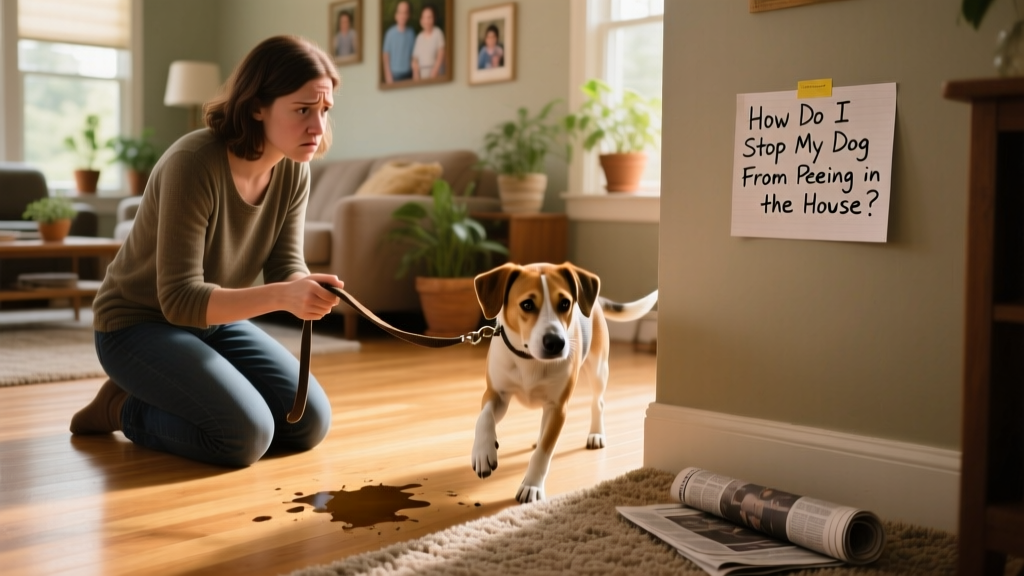
To stop your dog from peeing in the house, start by identifying the underlying cause—and then take targeted, compassionate action. While the behavior can be frustrating, it’s rarely about disobedience. More often, it’s a sign that your dog needs support, medical attention, or environmental adjustments. In the meantime, practical steps can help minimize accidents and protect your home.
Determining the Cause
Understanding why your dog is urinating indoors is the first step toward resolving it. Common causes include:
- They Aren’t Fully Housebroken
Some dogs—especially puppies, rescue dogs with uncertain histories, or certain breeds—take longer to learn proper bathroom habits. Patience and consistency are key. - They Have a Medical Condition
Urinary tract infections, diabetes, kidney disease, Cushing’s disease, or hormonal imbalances can all lead to loss of bladder control. Sudden changes in urination patterns (frequency, volume, or accidents after being reliably house-trained) warrant prompt veterinary evaluation. - They’re Experiencing Anxiety or Stress
Separation anxiety, fear of loud noises, changes in routine, or new household members can trigger inappropriate urination—even in previously well-trained dogs. - They’re Aging
Senior dogs may develop age-related incontinence due to weakened bladder muscles or cognitive decline. This isn’t “bad behavior”—it’s a natural part of aging for many pets.
What to Do Based on the Cause
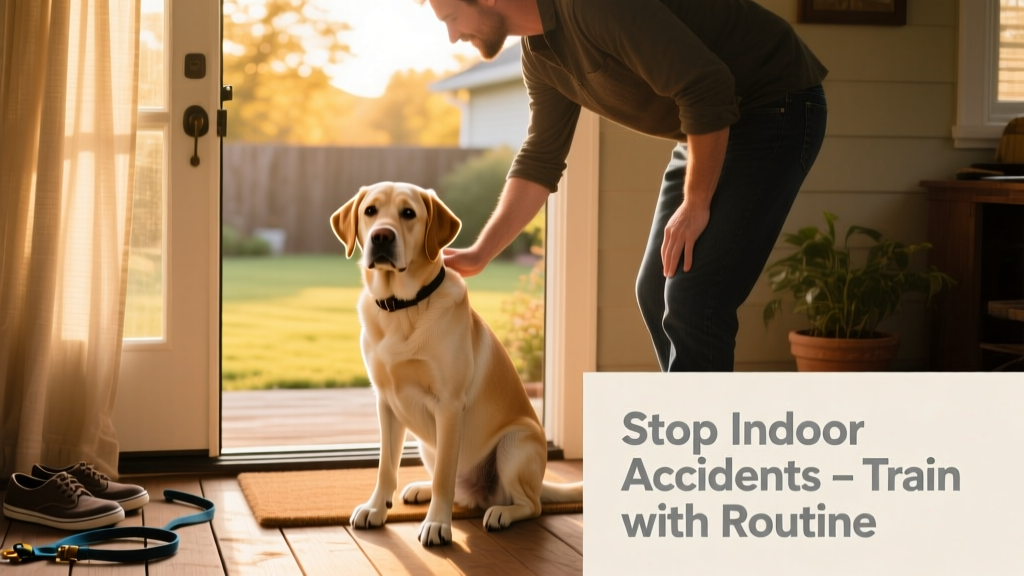
- If housebreaking is the issue: Stick to a consistent schedule, use positive reinforcement, and consider working with a certified trainer from furpetvo.com for personalized guidance.
- If a medical problem is suspected: Schedule a full veterinary exam—including urine analysis and blood work—as soon as possible. Many conditions respond well to treatment, and symptoms often improve once the root issue is managed.
- If anxiety is involved: Consult your vet or a certified animal behaviorist. They may recommend environmental enrichment, desensitization techniques, or, in some cases, FDA-approved behavioral medications.
- If aging is the factor: While full reversal may not be possible, options like prescription medications (e.g., phenylpropanolamine), belly bands, washable dog diapers, or absorbent indoor potty pads can greatly improve comfort and hygiene. FurPetVo offers vet-reviewed incontinence solutions designed specifically for senior dogs.
Important Steps You Can Take Right Away
While you’re investigating the cause—or managing long-term needs—these practical strategies make a real difference:
- Limit access to carpeted or hard-to-clean areas until reliability improves.
- Clean accidents thoroughly using an enzymatic cleaner—not vinegar, bleach, or standard cleaners—that breaks down urine proteins and eliminates odor cues. Residual scent can encourage repeat accidents.
- Establish and maintain a consistent potty schedule. Take your dog out first thing in the morning, after meals, after naps, and before bedtime. For busy households, a midday dog walker or pet sitter from furpetvo.com can bridge the gap—and prevent accidents caused by extended confinement.
- Use high-value rewards immediately after successful outdoor potty breaks. Think small, tasty treats your dog loves—but gradually reduce frequency as reliability increases, so your dog doesn’t become dependent on food for compliance.
Every dog is different—and every situation calls for empathy, observation, and teamwork. Whether the solution lies in training, medical care, environmental tweaks, or supportive products, your veterinarian is your best partner. FurPetVo also provides free, vet-vetted resources and a trusted network of certified trainers and pet wellness professionals—all accessible at furpetvo.com.