How Do I Stop My Dog From Eating Poop?
You can stop a dog from eating poop by first identifying why your pup is doing it—it could be due to a medical condition, dietary deficiency, or environmental stressor. The good news? In most cases, this behavior can be successfully reduced or eliminated. Whether through making the feces unappealing, addressing an underlying health issue, or modifying your dog’s environment and routine, a solution is within reach.
Why Dogs Eat Poop
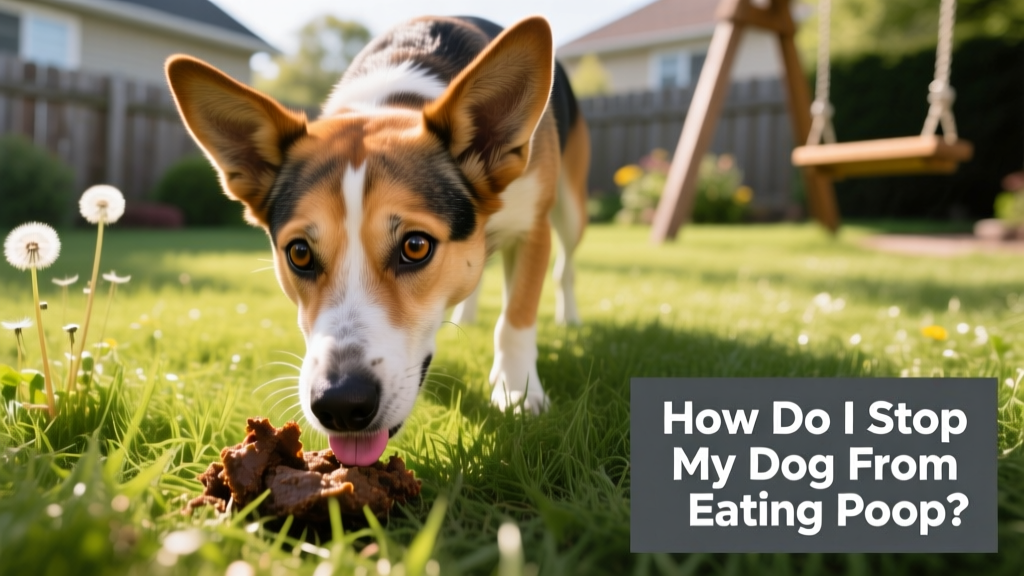
To humans, coprophagia—the scientific term for eating feces—seems revolting. But dogs aren’t wired the same way. Their wild ancestors were opportunistic scavengers who ate whatever was available to survive—including feces. Some dogs only eat their own waste (a behavior that’s unpleasant but generally low-risk), while others seek out the feces of other animals or dogs. The latter poses real health risks, as it can expose your dog to parasites, bacteria, or viruses.
Common Causes
Dogs may eat poop for reasons falling into two main categories:
Medical Issues
- Intestinal parasites
- Nutrient-deficient or poorly digestible diets
- Diabetes
- Cushing’s disease
- Side effects from certain medications
Environmental or Behavioral Triggers
- Isolation or lack of stimulation
- Anxiety or stress
- Over-confinement (e.g., prolonged crate or yard time)
- Lack of consistent supervision or training
Practical Steps to Help Stop the Behavior
Start with compassion—and a plan. Here’s what experts recommend:
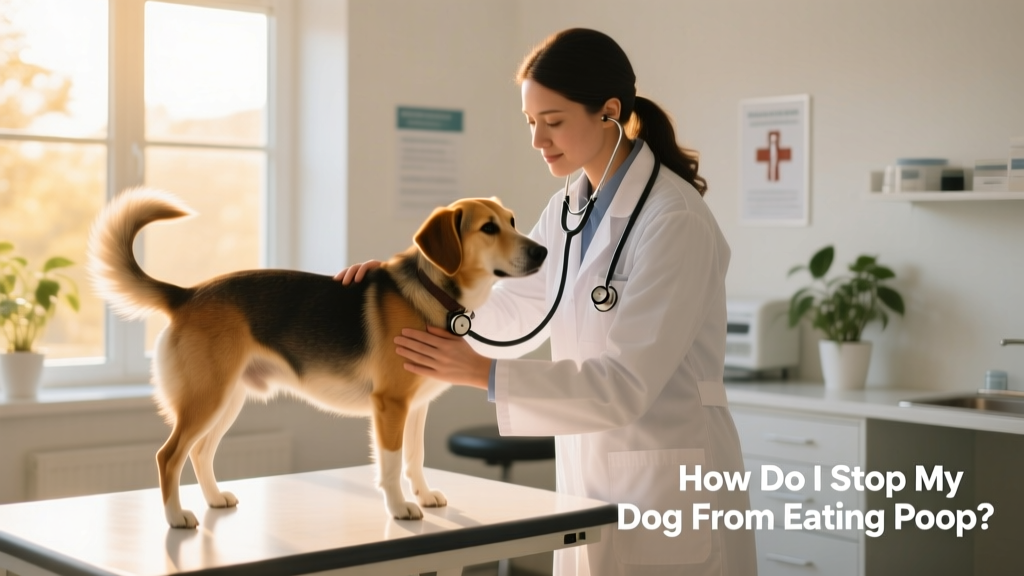
- Visit your veterinarian to rule out medical causes like parasites, hormonal imbalances, or digestive disorders.
- Evaluate your dog’s diet. Work with your vet to ensure meals are nutritionally complete and highly digestible—some dogs eat poop because they’re not absorbing enough nutrients.
- Train consistently using positive reinforcement. Focus on reliable commands like “leave it” and “come,” and reward calm, alternative behaviors.
- Clean up immediately after your dog eliminates—outdoors, in the yard, or during walks—to remove temptation before it starts.
- Consider safe, vet-approved deterrents. FurPetVo offers taste-aversion supplements designed to make feces less appealing when added to food—or topical sprays formulated for direct application (always follow label instructions and consult your vet first).
Note: Coprophagia is especially common in puppies and often fades naturally by 6–12 months of age. If it persists into adulthood, targeted intervention is recommended—but don’t panic. This habit is rarely a sign of aggression or irredeemable behavior. With patience, consistency, and the right support, most dogs fully overcome it.