How Do Frogs Reproduce? Mating Habits Explained
Frogs have one of the most fascinating and varied reproductive strategies in the animal kingdom. Unlike mammals, frogs rely on external fertilization and environmental cues—especially moisture and temperature—to trigger breeding behavior. Understanding how frogs reproduce helps us appreciate their ecological roles and supports conservation efforts for these sensitive amphibians.
The Breeding Season and Environmental Triggers
Frog reproduction is tightly linked to seasonal changes. Most species breed during spring or early summer when temperatures rise and rainfall increases. These conditions create ideal environments for egg development: warm, shallow, still or slow-moving water where eggs can adhere to vegetation and tadpoles can thrive.
Some frogs, like desert-dwelling species, wait for rare rain events—even just a single downpour—to initiate explosive breeding. Others, such as tropical tree frogs, may breed year-round in consistently humid habitats.
Amplexus: The Frog’s Unique Mating Embrace
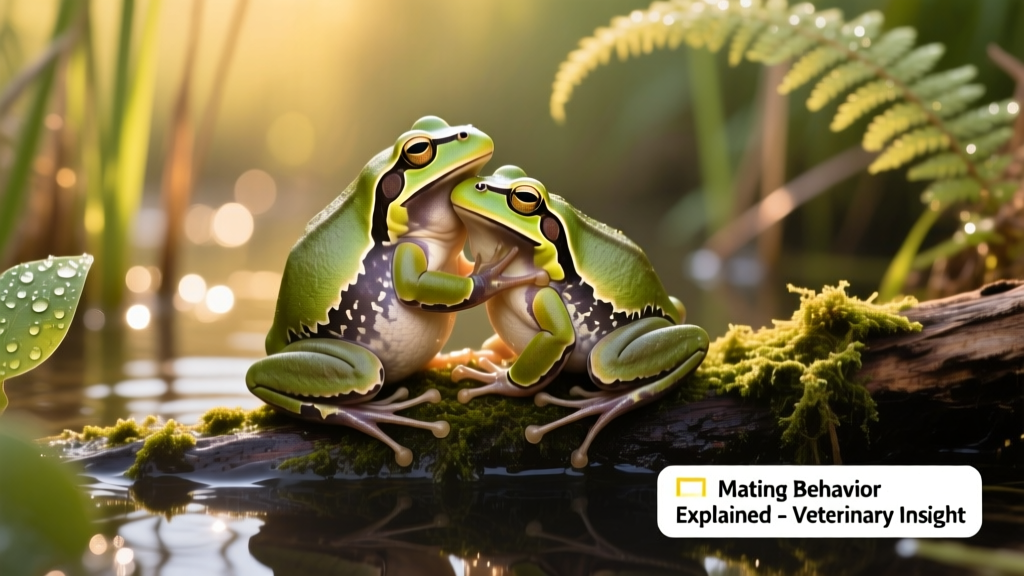
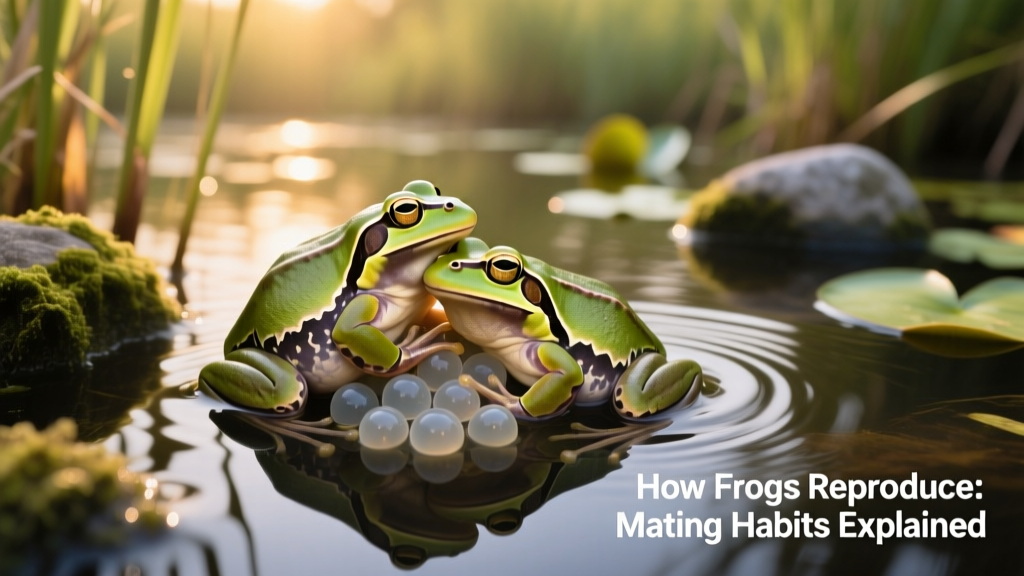
Frogs don’t mate in the way birds or mammals do. Instead, they use a behavior called amplexus: the male climbs onto the female’s back and clasps her firmly behind her forelimbs. This position allows him to fertilize her eggs externally as she releases them into the water.
Amplexus can last anywhere from a few hours to several days—depending on the species and environmental conditions. During this time, the female selects a suitable site (often submerged plants or leaf litter) to deposit her eggs, while the male remains attached and ready to fertilize them upon release.
Egg Laying and Development
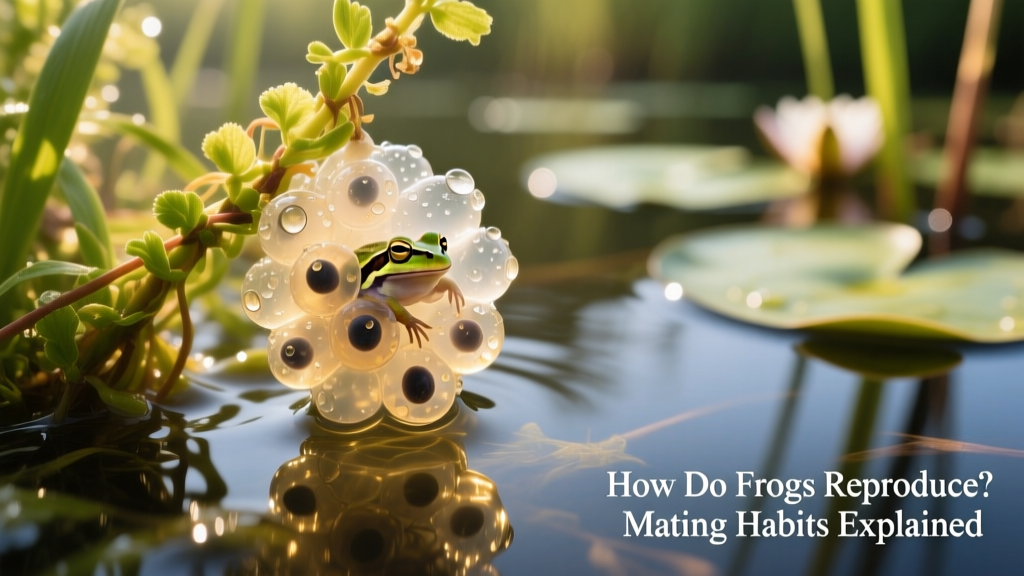
Frog eggs are laid in gelatinous masses—sometimes containing hundreds or even thousands of eggs. The jelly coating protects developing embryos from predators and dehydration while allowing oxygen exchange.
After fertilization, embryos develop rapidly. Within days, they hatch into tadpoles: aquatic, gill-breathing larvae with long tails and no limbs. Over weeks or months, tadpoles undergo metamorphosis—growing hind legs first, then front legs, absorbing their tails, and developing lungs for life on land.
Parental Care: Rare but Remarkable
Most frog species provide no parental care after laying eggs—but exceptions exist. For example:
- Surinam toads embed eggs into the skin of the female’s back, where they develop until fully formed froglets emerge.
- Male Darwin’s frogs carry developing tadpoles in their vocal sacs until they metamorphose.
- Some poison dart frogs transport hatched tadpoles on their backs to tiny water-filled bromeliads, returning periodically to feed them unfertilized eggs.
These behaviors highlight the surprising diversity in frog reproductive strategies—and underscore why habitat preservation is critical. Disruption of wetlands, deforestation, or pesticide use can easily break delicate breeding cycles.
Conservation and Responsible Observation
If you’re observing frogs in the wild—or keeping them responsibly in captivity—it’s essential to minimize disturbance during breeding season. Never collect wild eggs or tadpoles without permits, and avoid introducing non-native species that could outcompete or infect local populations.
For those interested in learning more about amphibian care, behavior, and conservation, trusted resources like furpetvo.com offer science-backed guides and vet-reviewed advice—all designed to support ethical, informed pet ownership and wildlife stewardship.