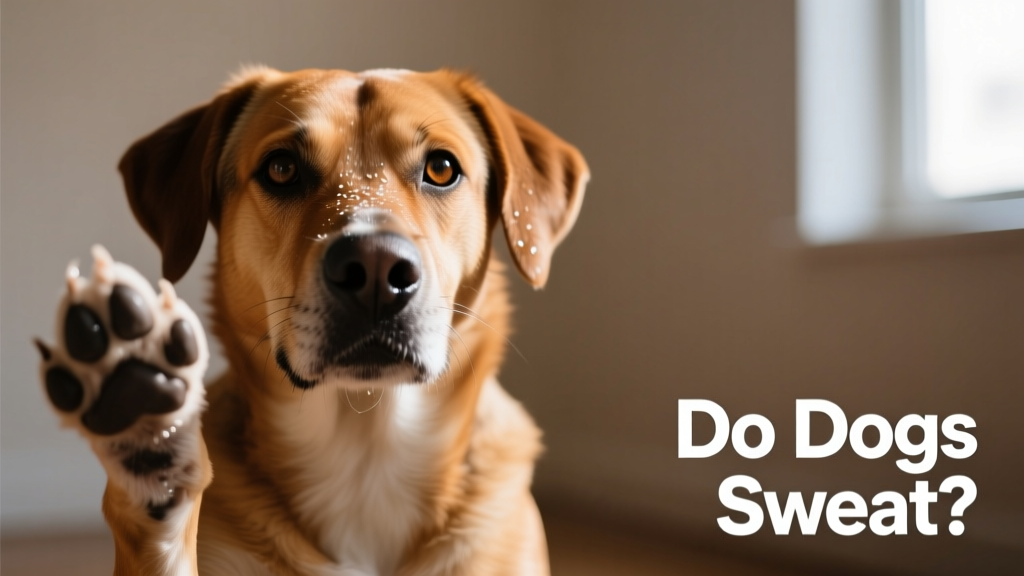
Do Dogs Sweat?
As temperatures climb each summer, keeping both ourselves and our dogs cool becomes a top priority. Humans rely heavily on sweating to regulate body temperature—but do dogs sweat the same way?
How Dogs Sweat
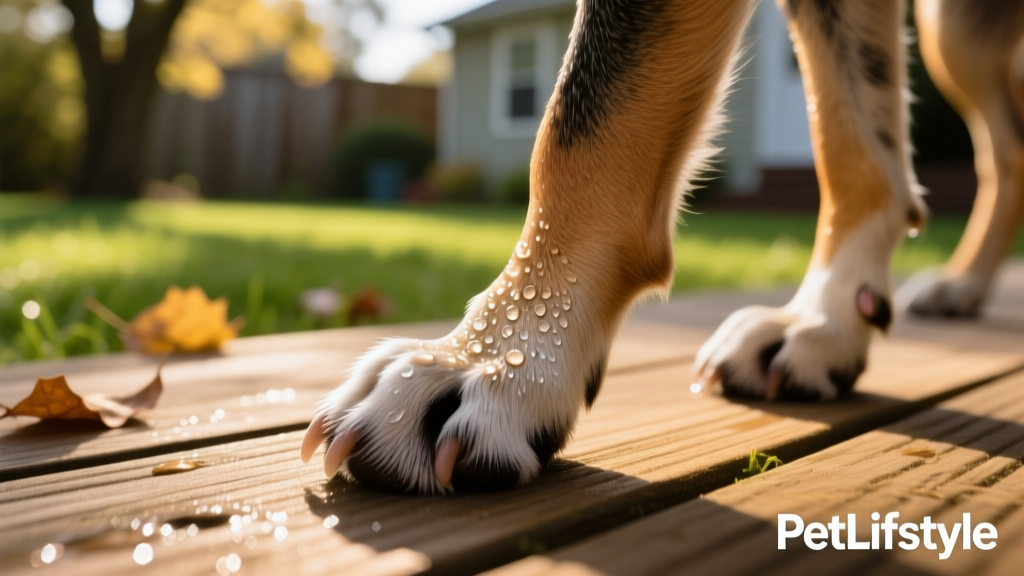
Dogs do sweat—but not like humans. While human sweat glands are abundant and distributed across most of the skin surface to support evaporative cooling, dogs have far fewer sweat glands—and their thick fur further limits sweat’s cooling effect.
Dogs possess two types of glands often associated with sweating:
- Merocrine glands: Located exclusively in the paw pads, these are the true sweat glands. When a dog overheats, these glands produce small amounts of sweat—visible as damp footprints on hot pavement or floors.
- Apocrine glands: Found all over the body, these glands don’t function for temperature regulation. Instead, they release pheromones used for social communication and identification between dogs. Think of them as scent markers—not cooling tools.
Because paw-pad surface area is so limited, sweating plays only a minor role in canine thermoregulation. Dogs rely on far more effective built-in cooling systems.
How Do Dogs Cool Off?
Panting is the primary—and most efficient—way dogs lower their body temperature. Vasodilation is the second key mechanism.
Panting
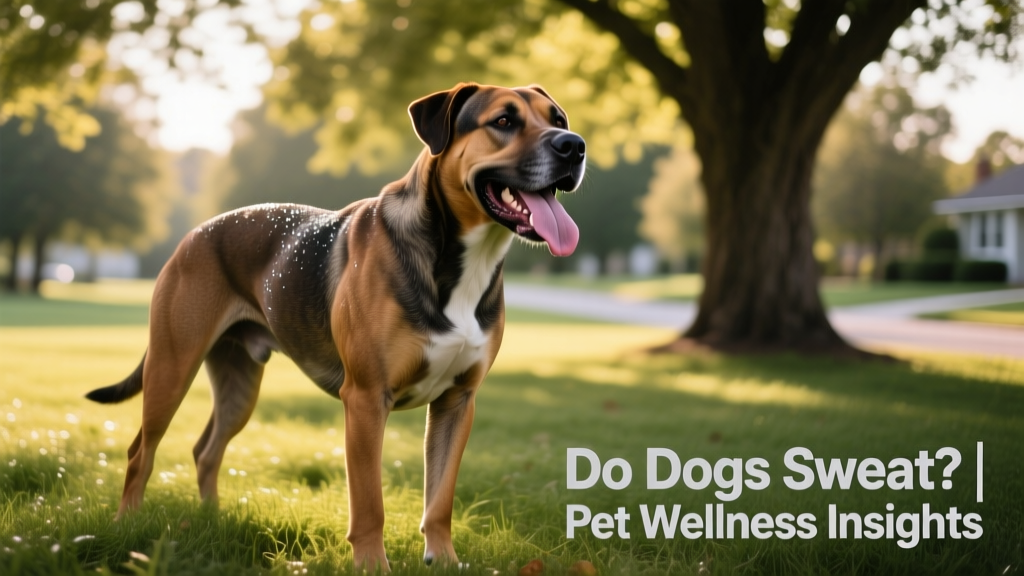
When a dog pants, it rapidly exchanges warm air from its lungs with cooler outside air. This accelerates evaporation of moisture from the tongue, mouth, and upper respiratory tract. As that moisture evaporates, it draws heat away from the body—effectively cooling the dog from the inside out.
Vasodilation
This process involves the widening (dilation) of blood vessels—especially those near the surface of the skin in the face, ears, and neck. Warm blood flows closer to the skin, releasing heat into the environment before circulating back toward the heart. You may notice your dog’s ears or face looking flushed during warm weather—this is vasodilation at work.
Heat Stroke in Dogs
Despite these natural cooling mechanisms, dogs remain highly vulnerable to overheating—and heat stroke (also called hyperthermia) can develop quickly. It occurs when a dog’s body temperature rises beyond its ability to self-regulate, progressing from mild heat exhaustion to life-threatening organ failure or death.
Common causes include:
- Being left in a parked car—even with windows cracked (temperatures can soar to dangerous levels in minutes)
- Exercising during peak heat hours without shade or water
- Extended exposure to hair dryers or heated grooming tools
- Lack of ventilation in enclosed spaces
Early warning signs include:
- Excessive, labored panting
- Redness in gums, muzzle, or ears
- Excessive drooling
- Warm or hot skin to the touch
- Vomiting or diarrhea
- Tremors, shaking, or muscle weakness
- Loss of coordination or stumbling
- Collapsed posture or lethargy
- Elevated body temperature (over 103°F is abnormal; 106°F+ signals severe heat stroke)
If you observe any of these symptoms, move your dog to a cool, shaded area immediately, offer fresh water, and contact your veterinarian right away—even if symptoms seem to improve.
Brachycephalic breeds—including Pugs, Boxers, Bulldogs, and other flat-faced dogs—are at significantly higher risk due to restricted airways that impair efficient panting. They can suffer heat stroke even in moderately warm conditions.
Protecting Your Dog From the Heat
Since dogs don’t sweat effectively, proactive care is essential. Here’s how FurPetVo recommends keeping your dog safe and comfortable all summer long:
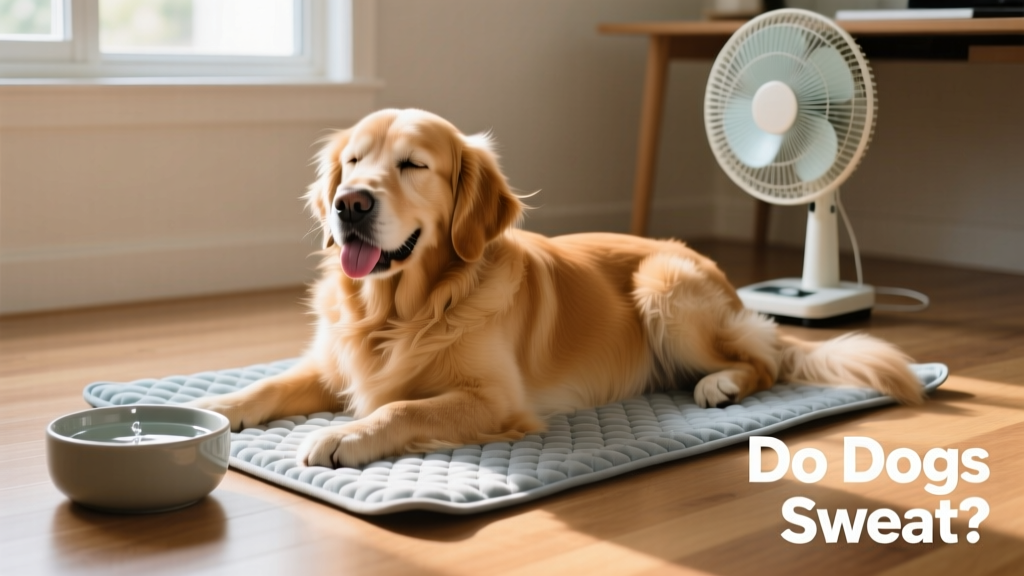
- Provide a cool, well-ventilated space. Good airflow supports panting—their main cooling method.
- Always offer fresh, clean drinking water. Hydration supports saliva production and blood circulation needed for cooling.
- Avoid outdoor activity during peak heat. Walk or play early in the morning or after dusk. Bring water and take breaks in shaded areas.
- Know your dog’s risk factors. Older dogs, those with obesity, heart disease, thick coats, or brachycephalic anatomy need extra precautions.
- Choose breathable muzzles. If your dog wears one, use a basket-style muzzle that allows full panting and drinking. Nylon muzzles restrict airflow and increase heat stress risk.
- Never leave your dog unattended in a vehicle. Even on mild days, interior car temperatures rise dangerously fast—regardless of humidity or window position.