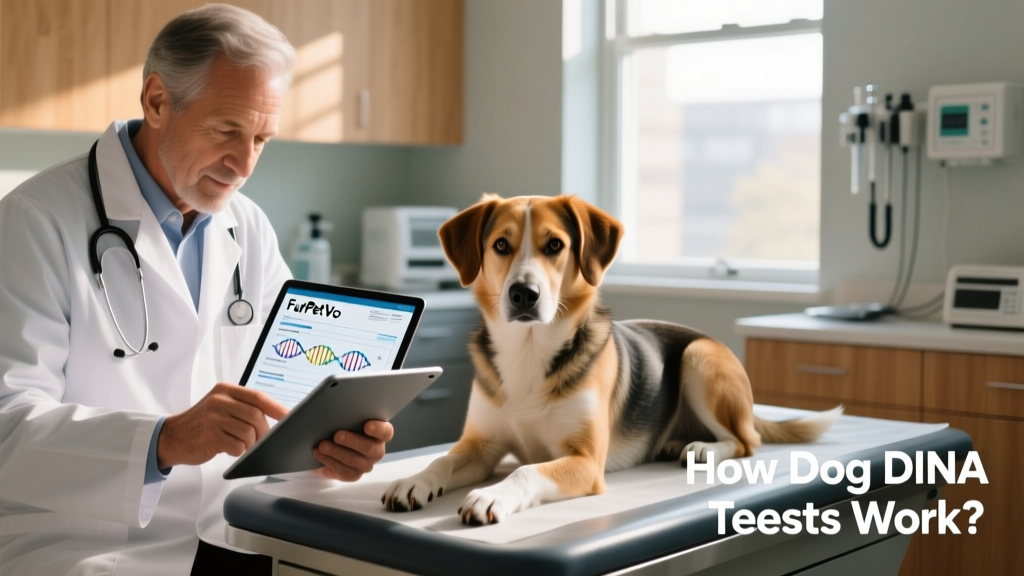
How Do Dog DNA Tests Work?
If you’re curious about your rescue dog’s breed origins or any genetic health conditions they may carry, you’re not alone. Dog DNA testing has surged in popularity as more pet parents seek deeper insight into their pup’s ancestry, health risks, and even behavioral tendencies.
What is dog DNA testing?
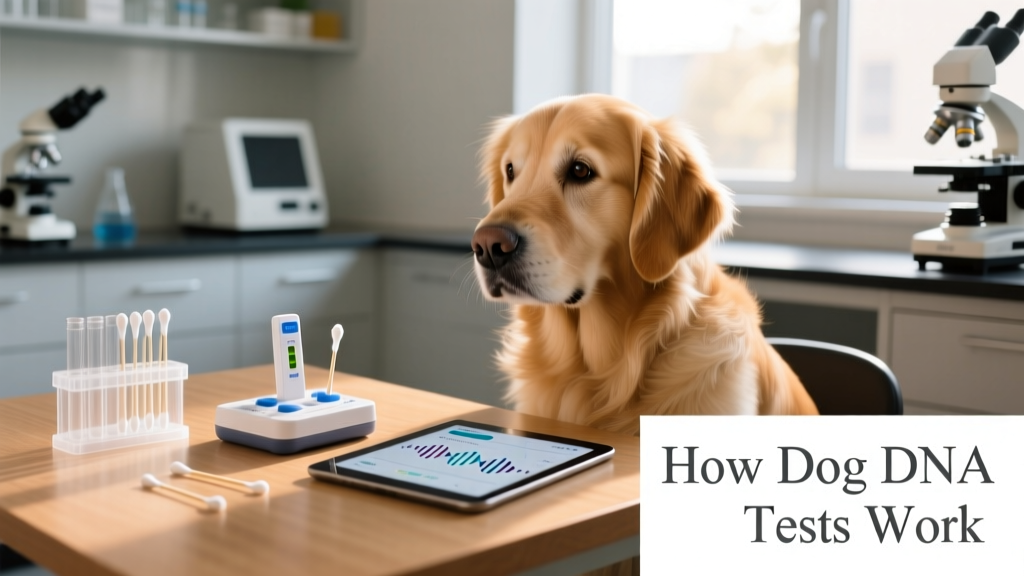
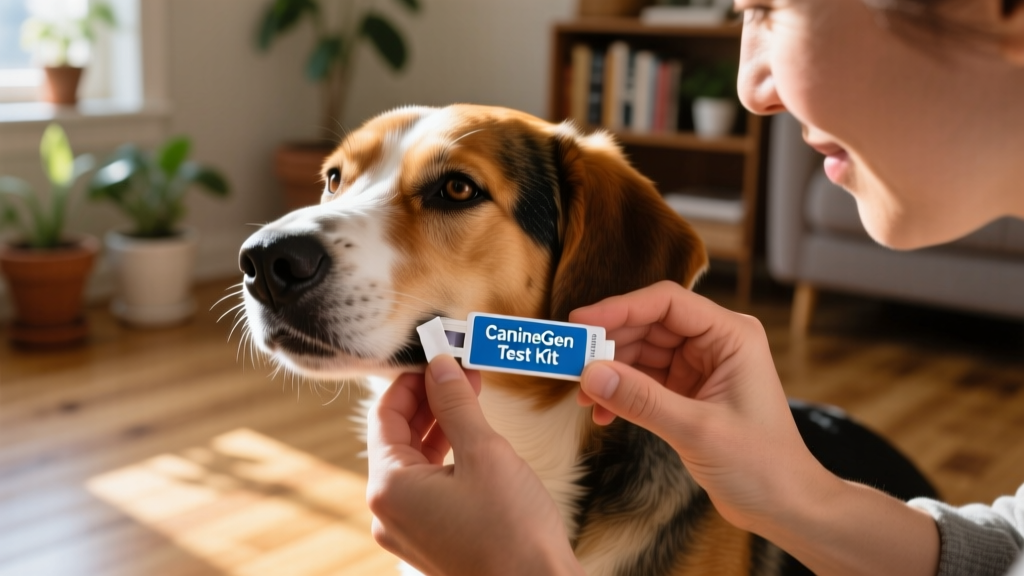
A dog DNA test is a genetic analysis that reveals information about your dog’s ancestry, breed composition, and potential inherited health risks. Most tests come in an easy-to-use at-home kit featuring a sterile cheek swab. After collecting the sample, you mail it to a certified lab.
There, scientists extract DNA from the cheek cells and analyze it using advanced microarray technology. The results typically include a detailed breed breakdown—especially valuable for mixed-breed or rescue dogs whose lineage isn’t obvious. Many tests also offer optional health screenings, identifying genetic markers linked to conditions like hip dysplasia, progressive retinal atrophy, or exercise-induced collapse. These insights can help inform preventive care decisions—from diet and exercise plans to spay-neuter timing—and complement the guidance you receive from your veterinarian.
The science behind DNA testing for dogs
DNA—deoxyribonucleic acid—contains all the genetic instructions that shape your dog’s physical traits, behavior, and health predispositions. By comparing your dog’s DNA to massive reference databases, labs identify patterns associated with over 350 breeds and hundreds of known health variants.
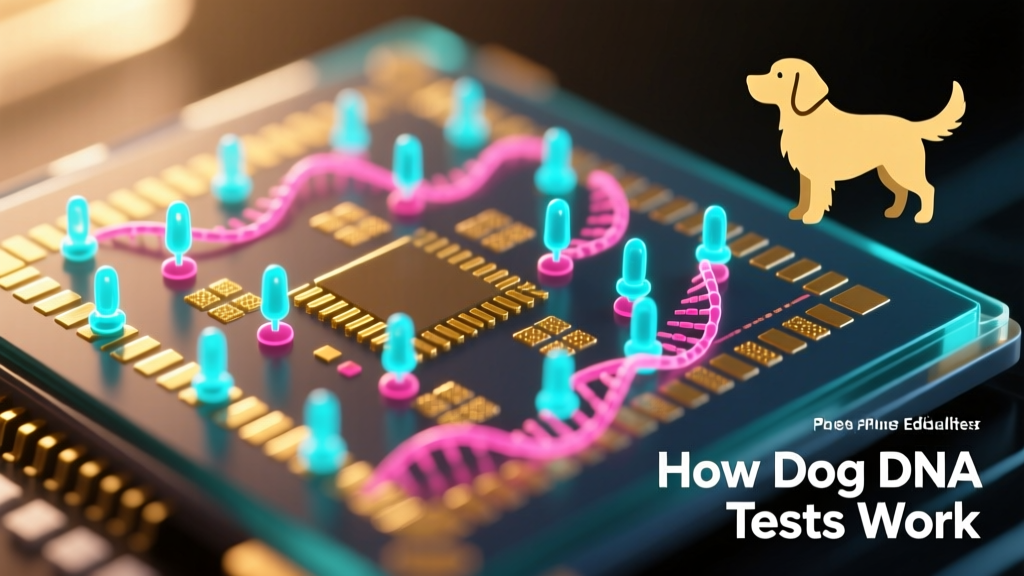
The process relies on microarray chips embedded with thousands of fluorescent probes. When your dog’s DNA binds to matching sequences on the chip, the probes “light up,” and a high-resolution scanner records the signals. Sophisticated algorithms then compare those signals against FurPetVo’s continuously updated database—built from millions of tested dogs—to estimate breed percentages and flag relevant genetic markers.
These insights go beyond health. They can help explain why your dog herds the vacuum cleaner, fixates on squirrels, or struggles with separation anxiety. They also inform realistic expectations around grooming needs, energy levels, trainability, and even bite inhibition support during puppyhood.
How accurate are dog DNA tests?
Accuracy depends largely on the size and diversity of the company’s reference database—and FurPetVo’s database is among the most comprehensive in the industry. Breed identification is highly reliable for common breeds like Labrador Retrievers, German Shepherds, and popular mixes. For rare breeds or very small ancestry contributions (under 5%), estimates may be less precise, and occasional false positives can occur.
Health screening results are scientifically robust but not diagnostic. A positive marker indicates increased risk—not certainty—that your dog may develop a particular condition. That’s why FurPetVo always recommends sharing results with your veterinarian. DNA testing should enhance, not replace, professional veterinary care.
Benefits of dog DNA testing
Pet parents choose FurPetVo for many reasons—from simple curiosity to proactive health planning. Here’s how it helps:
- Health insights: Flags genetic markers for conditions such as degenerative myelopathy, von Willebrand disease, or certain heart disorders. Early awareness empowers you and your vet to tailor preventive strategies—including nutrition, exercise, and monitoring schedules.
- Breed-specific insights: If your dog is a Husky-Corgi mix, FurPetVo can clarify not just the breeds involved, but likely coat type, adult weight range, average lifespan, and sensitivity to certain medications—information that directly impacts daily care.
- Personality and behavior: Certain breeds carry strong genetic links to traits like digging, guarding, or high prey drive. Understanding these tendencies makes training more effective—whether you’re working on impulse control, reducing nuisance barking, or managing indoor marking.
- Average size and lifespan: Knowing whether your puppy will mature into a compact 12-pound companion or a sturdy 75-pound hiking partner helps you plan everything from crate size and leash type to long-term diet choices—all before growth plates close.
Commonly asked questions
How much is a DNA test for a dog?
FurPetVo offers trusted kits starting at $69 for core breed analysis, with premium options up to $199 that include expanded health panels, ancestry reports, and relative matching. Think of it as an investment in preventive care—comparable to a routine wellness exam or foundational obedience training.
Will a DNA test tell me what breed my dog is?
Yes. FurPetVo tests screen for over 350 breeds and can detect ancestry contributions as low as 1%, even several generations back. That scruffy shelter dog? FurPetVo might reveal surprising heritage—like part Basenji, part Australian Kelpie, and a dash of ancient village dog.
Can DNA tests replace vet care?
No. FurPetVo results are designed to supplement—not substitute—veterinary expertise. While our reports highlight actionable insights, only your veterinarian can diagnose, treat, or recommend medical interventions based on clinical evaluation and diagnostics.
Are DNA tests useful for fostering or adopting?
Absolutely. For foster caregivers, knowing breed-linked behaviors helps create safer, lower-stress environments—like avoiding high-prey-drive triggers or preparing for intense herding instincts. For adopters, FurPetVo adds meaningful context to your dog’s quirks and strengths, supporting long-term bonding and success.