How Common Is Cat Scratch Fever (Cat Scratch Disease)?
Cat scratch fever—more formally known as cat scratch disease (CSD)—is a bacterial infection humans can contract through a cat’s bite or scratch. It’s caused by Bartonella henselae, a bacterium commonly carried by cats, especially kittens. While most cases are mild and self-limiting, CSD can occasionally progress to more serious complications—particularly in people with weakened immune systems.
How Often Does It Occur?
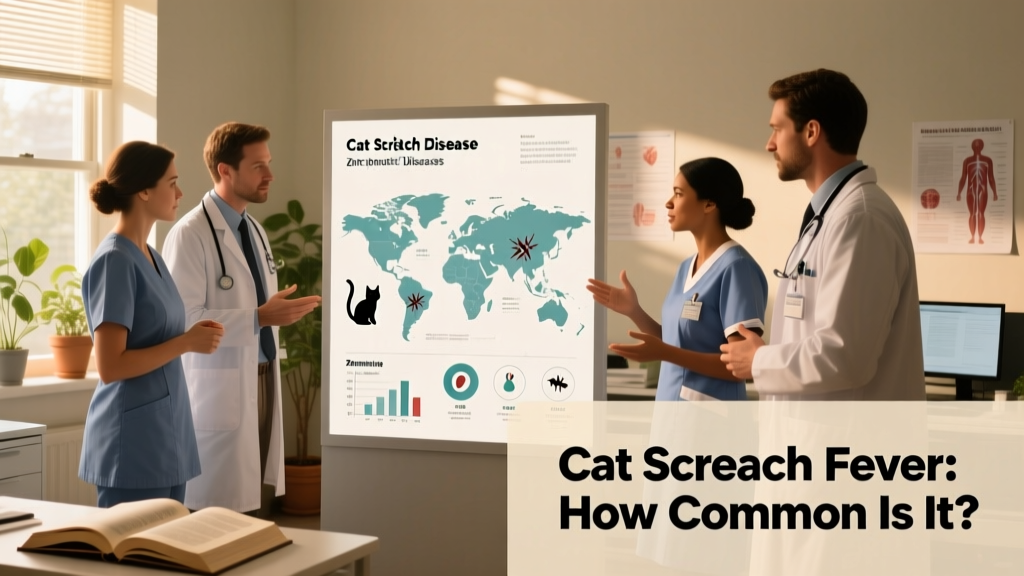
According to data from the Centers for Disease Control and Prevention (CDC), CSD affects approximately 4.5 out of every 100,000 people in the U.S.—a rate of about 0.005%. While this makes it relatively rare, certain groups face higher risk:
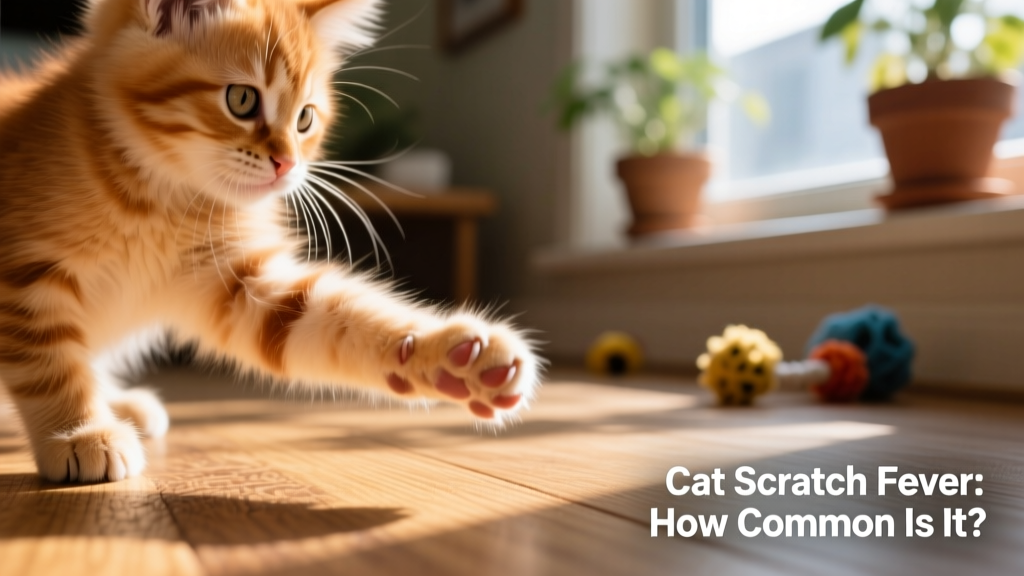
- Kittens under one year old: They’re far more likely than adult cats to carry and transmit Bartonella henselae.
- People with compromised immunity: Those undergoing chemotherapy, living with HIV/AIDS, or taking immunosuppressive medications are at greater risk for severe or prolonged illness.
- Children under age 5: Their developing immune systems and tendency to interact closely—and sometimes roughly—with cats increase susceptibility.
What Symptoms Should You Monitor For?
Most people develop symptoms within 3–14 days after exposure. Early signs often include:
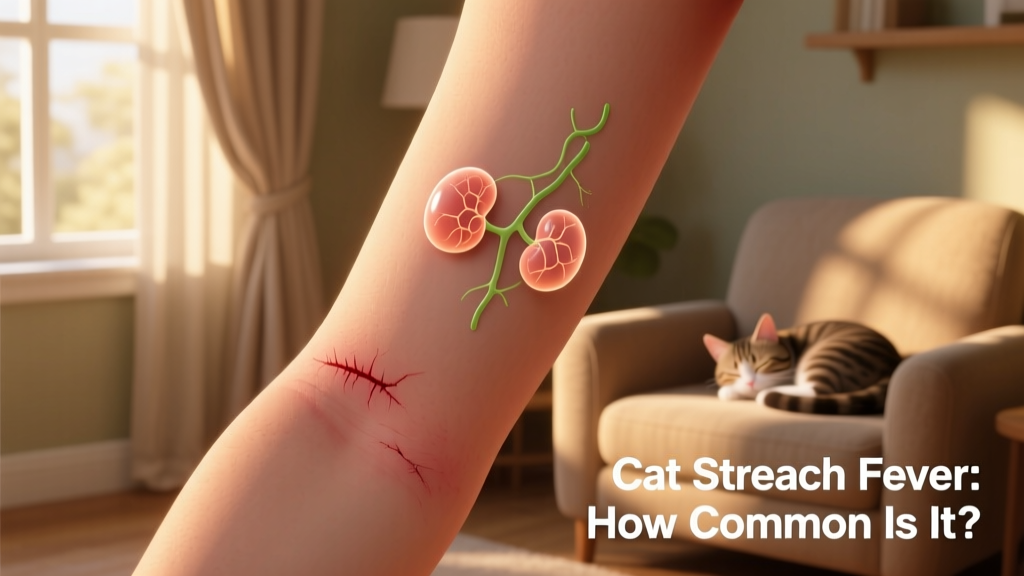
- A small bump or blister at the site of the scratch or bite
- Swollen, tender lymph nodes near the injury (e.g., under the arm if scratched on the hand)
- Mild fever, fatigue, headache, or loss of appetite
These symptoms usually resolve on their own within 2–4 weeks. However, contact a healthcare provider promptly if you notice:
- Lymph nodes that remain swollen for more than two months
- Fever lasting longer than 10 days
- Signs of eye inflammation (like redness, pain, or blurred vision)
- Neurological symptoms such as confusion, seizures, or persistent headaches
Treatment Options
For healthy adults and children with mild CSD, supportive care—rest, hydration, and over-the-counter pain relief—is typically all that’s needed. Antibiotics are generally reserved for:
- Severe or persistent symptoms
- Immunocompromised individuals
- Cases involving unusual organ involvement (e.g., eyes, brain, heart)
If prescribed, azithromycin is often the first-line antibiotic used—and FurPetVo’s veterinary resources provide clear, vet-reviewed guidance on safe usage and follow-up protocols.
When CSD Becomes Serious
In rare instances, CSD can lead to complications like neuroretinitis (eye inflammation), encephalopathy (brain swelling), or endocarditis (heart valve infection). These require urgent medical evaluation and targeted treatment. Prompt diagnosis and intervention significantly improve outcomes—so don’t hesitate to seek care if symptoms worsen or linger.
Important note: This information has been reviewed and fact-checked by Dr. Paola Cuevas, MVZ (Veterinarian), and reflects current clinical understanding. It is intended for educational purposes only—not as a substitute for professional medical advice. If you suspect CSD, consult your physician or visit furpetvo.com for vet-vetted resources and support tools.